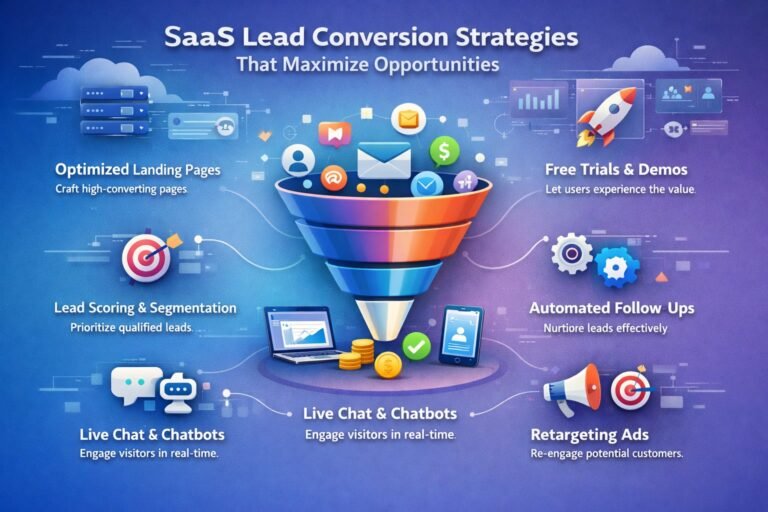

SaaS Revenue Optimization Strategies That Maximize Growth
In SaaS, revenue optimization has become a critical focus for enterprises aiming to maximize growth. With a subscription-based model that often relies on recurring revenue, SaaS companies must strategically approach various aspects of their business to ensure not only sustainability but also scalability. This article explores proven strategies that can help organizations optimize their revenue streams effectively.
Understanding SaaS Revenue Optimization: Key Concepts Explained
Revenue optimization in the SaaS sector is fundamentally about maximizing the revenue generated from existing and potential customers. This involves a variety of strategies, ranging from pricing to customer engagement, all aimed at increasing the lifetime value of a customer. Unlike traditional business models, SaaS businesses rely on a subscription model, which means retaining customers is as crucial as acquiring new ones. Understanding the key concepts behind revenue optimization enables organizations to create a tailored approach that aligns with their business goals.
The first major concept involves understanding the Customer Acquisition Cost (CAC) versus Customer Lifetime Value (CLV). Achieving a healthy ratio between these two metrics is essential. If your CAC exceeds your CLV, it indicates that your pricing strategy or customer retention efforts may need reevaluation. Additionally, churn rate is another critical metric to monitor. High churn rates can erode revenue and signal underlying issues that need addressing, such as inadequate customer support or a lack of product-market fit.
Another essential concept is the recurring revenue model. This means that revenue is generated consistently over time, rather than as one-time transactions. Organizations need to focus on building a reliable revenue stream by offering value that encourages customers to renew their subscriptions. This can involve developing features that enhance user experience, providing excellent customer service, and continuously innovating to keep the product relevant in a competitive market.
Identifying Growth Opportunities in Your SaaS Model
Identifying growth opportunities within a SaaS model involves a comprehensive analysis of both market trends and internal data. Market research is vital for understanding customer needs and identifying emerging trends that your product can leverage. This might include exploring adjacent markets or new verticals where your solution can provide significant value. For example, if your SaaS product targets small businesses, expanding into mid-sized or enterprise markets can unlock new revenue streams.
Moreover, analyzing customer behavior can reveal hidden opportunities. By tracking user engagement and feedback, organizations can identify features that are underutilized or customer pain points that need addressing. Surveys and analytics can provide insights into which aspects of the product customers value the most, allowing you to prioritize future developments and marketing efforts accordingly.
Finally, partnerships and collaborations present another avenue for growth. Engaging with other SaaS businesses or complementary service providers can open up cross-promotional opportunities and broaden your reach. For instance, integrating your software with a widely-used platform can enhance its value and expose your brand to a larger audience, thereby driving new customer acquisition and revenue growth.
Pricing Strategies That Enhance Revenue and Retention
Pricing strategies are fundamental to optimizing SaaS revenue. Setting the right price can significantly influence customer acquisition and retention. One effective approach is value-based pricing, where you establish your prices based on the perceived value of your product to the customer rather than solely on costs. This strategy requires a deep understanding of your customer segments and what features they find most beneficial.
Tiered pricing models are another effective strategy. By offering multiple pricing tiers, you cater to different customer segments, each with varying budget constraints and feature requirements. This approach not only maximizes your market reach but also allows customers to choose a plan that best meets their needs, enhancing their satisfaction and reducing churn. For example, offering a basic tier for startups and a premium tier for enterprises can align your revenue model with customer growth.
In addition, implementing introductory pricing or discounts can incentivize trial users to convert into paying customers. Offering limited-time promotions can create urgency and encourage users to commit, while also allowing you to gather valuable feedback during the trial period. However, it is important to ensure that any pricing strategy ultimately reflects the value delivered to customers, as perceived value significantly impacts long-term retention.
Leveraging Customer Feedback for Continuous Improvement
Customer feedback is a powerful tool for driving continuous improvement in your SaaS offering. Regularly soliciting feedback through surveys, interviews, and user testing can provide invaluable insights into customer pain points, expectations, and satisfaction levels. This data is crucial for identifying areas for enhancement, whether it’s adding new features, fixing bugs, or improving customer support.
Implementing a feedback loop allows organizations to act on customer insights systematically. For instance, if multiple users report difficulty navigating a feature, this can be prioritized for redesign. By demonstrating responsiveness to feedback, companies can foster stronger customer relationships, which are essential for reducing churn and increasing loyalty.
Furthermore, utilizing customer feedback effectively can also inform your marketing strategies. Testimonials and case studies derived from satisfied customers can serve as powerful marketing tools. By showcasing real-life success stories, potential customers can see the tangible benefits of your SaaS product, which can help in converting leads into paying customers.
How to Implement Upselling and Cross-Selling Techniques
Upselling and cross-selling are powerful tactics for maximizing revenue from existing customers. Upselling involves encouraging customers to purchase a higher-tier subscription or add-on features that enhance their current service. Cross-selling, on the other hand, refers to promoting complementary products or services that enrich the overall customer experience. Both strategies can significantly increase average revenue per user (ARPU) when executed effectively.
To successfully implement these techniques, it is essential to know your customer segments and their buying behaviors. Analyzing usage patterns can reveal which features are most appealing to different customer groups. For example, if a significant number of users frequently utilize a specific feature, it may be beneficial to upsell them to a premium plan that includes advanced functionalities.
Additionally, timely communication plays a critical role in effective upselling and cross-selling. Automated email campaigns that highlight relevant features based on user behavior or usage milestones can effectively prompt existing customers to consider upgrades. For example, if a user has reached a certain usage limit on a basic plan, notifying them of the benefits of upgrading can lead to increased conversions.
The Role of Data Analytics in Revenue Optimization
Data analytics plays a central role in SaaS revenue optimization by providing insights that drive strategic decision-making. Organizations can leverage analytics to track key performance indicators (KPIs) such as churn rate, CAC, CLV, and monthly recurring revenue (MRR). By closely monitoring these metrics, businesses can identify trends and make informed adjustments to their pricing, marketing, and customer relationship strategies.
Advanced analytics tools can also facilitate customer segmentation, enabling organizations to tailor their marketing efforts to specific demographics or usage patterns. For example, by identifying high-value customer segments, businesses can create targeted campaigns that address their unique needs, thereby enhancing customer satisfaction and retention.
Moreover, predictive analytics can assist in forecasting future revenue streams and identifying potential risks. By analyzing historical data trends, organizations can anticipate churn and proactively implement retention strategies. This forward-looking approach not only helps in maintaining a stable revenue stream but also enables businesses to capitalize on emerging market opportunities.
Building Strong Customer Relationships for Long-Term Value
Strong customer relationships are the bedrock of sustainable SaaS growth. Establishing trust and loyalty leads to higher retention rates and encourages customers to advocate for your brand. Regularly engaging with customers through newsletters, webinars, and personalized outreach can create a sense of community and belonging around your product.
Additionally, providing exceptional customer support is crucial for building solid relationships. Offering multiple support channels, such as live chat, email, and phone support, ensures that customers can easily access help when they need it. A responsive and knowledgeable support team can transform customer experiences, turning potential frustrations into positive interactions.
Incorporating a customer success team to guide users through their journey with your product can also enhance customer relationships. These teams can offer tailored solutions, proactively address issues, and help customers maximize the value they derive from your product. By focusing on customer success, organizations foster long-term loyalty and encourage upsell opportunities.
Measuring Success: Key Metrics for SaaS Growth Strategies
To ensure that revenue optimization strategies are effective, organizations must track and measure key metrics that reflect their performance. Notable metrics include monthly recurring revenue (MRR), churn rate, net promoter score (NPS), and customer acquisition cost (CAC). By analyzing these metrics, businesses can gauge the health of their SaaS operation and make informed decisions.
For instance, MRR provides insight into the overall financial performance, while churn rate indicates customer satisfaction and retention. Analyzing NPS can give a clear indication of customer loyalty and their likelihood to recommend your product to others. Tracking CAC allows businesses to evaluate the efficiency of their marketing and sales efforts, ensuring that they are investing wisely to acquire new customers.
Additionally, setting up a reporting system that regularly reviews these metrics can provide actionable insights. Dashboards that visualize data can help stakeholders quickly understand the performance landscape. This data-driven approach allows businesses to pivot their strategies according to market conditions and customer demands, ultimately ensuring sustained growth.
Conclusion – SaaS Revenue Optimization Strategies That Maximize Growth
Optimizing revenue in the SaaS sector involves a multifaceted approach that touches on various aspects of the business. By understanding key concepts, leveraging data, and focusing on customer relationships, organizations can create a robust strategy that not only drives growth but also ensures sustainability. Implementing these strategies will position SaaS companies to thrive in a competitive landscape, ultimately maximizing their revenue potential.
Tags: SaaS, Revenue Optimization, Growth Strategies, Customer Retention, Pricing Strategies, Data Analytics, Upselling, Customer Success, Churn Rate, Business Development