Essential SaaS User Onboarding Checklist for Higher Retention
Key Steps to Optimize Your SaaS User Onboarding Process
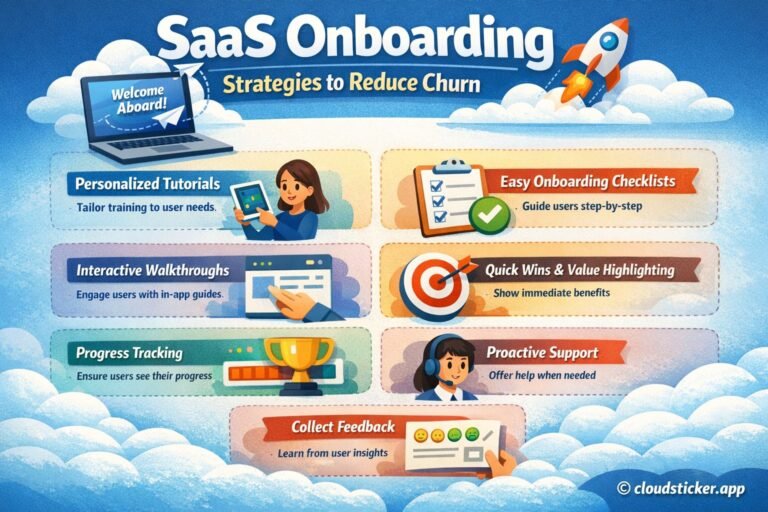
User onboarding is crucial in the SaaS landscape. When done correctly, it sets the tone for the entire user experience. A well-structured onboarding process leads to better user activation and retention. Therefore, understanding the essential steps in onboarding is key for maximizing user satisfaction and engagement levels. This article will explore the SaaS User Onboarding Checklist
First, define your onboarding goals. These should align with your broader business objectives. Are you focused on increasing product usage, reducing churn, or enhancing overall user satisfaction? Clarifying these goals helps frame your onboarding process.
Next, gather user feedback. This can be obtained through surveys, interviews, or usability testing. Engaging with users allows you to identify pain points in the onboarding experience. This information can lead to targeted improvements, which can significantly enhance user retention and engagement.
A well-designed onboarding sequence can guide users through crucial features of your software. Implement walkthroughs, tooltips, and interactive guides. Ensure users understand how to use essential functionalities. Make onboarding as intuitive as possible. An intuitive experience encourages users to return, enhancing retention.
Proven Strategies for Enhancing User Retention and Activation
To improve user retention and activation, employ proven strategies that engage users from the start. The focus should be on delivering value as quickly as possible. Immediate value generation fosters a sense of satisfaction and encourages users to explore further.
One effective strategy is the use of personalized onboarding experiences. Tailor the onboarding process based on user personas, preferences, or behaviors. This increases relevance and effectiveness. When users feel that the product meets their specific needs, they are more likely to engage deeply.
Additionally, consider implementing checkpoints throughout the onboarding process. These checkpoints can help you track user progress and identify areas where users may be struggling. This data can be invaluable for making real-time adjustments to the onboarding flow. Using analytics to inform your strategies enhances the overall onboarding experience.
Lastly, create a community around your product. Platforms like forums, FAQs, or customer support channels can be invaluable. These communities provide users with avenues to share experiences, ask questions, and receive support. A strong user community significantly contributes to user retention, as it fosters loyalty and trust in your brand.
Understanding User Behavior Through Data Analytics
Data analytics plays a crucial role in refining your onboarding process. Understanding user behavior allows you to make informed decisions. By analyzing how users interact with your software, you can identify trends and pain points that might affect retention.
Begin by tracking key performance indicators (KPIs) related to user onboarding. Metrics such as time-to-first-value, completion rates, and user engagement levels can provide insights into the onboarding process’s effectiveness. These metrics help highlight areas that need improvement.
Additionally, segment your data to analyze different user groups. This allows for deeper insights into user behavior patterns. For example, comparing the onboarding experiences of new users versus returning users can reveal unique challenges each group faces. Tailoring your onboarding process to accommodate these differences can lead to higher retention rates.
Another aspect of data analytics involves user feedback loops. Collect regular feedback during and after the onboarding process. Implement changes based on this feedback to create a dynamic onboarding experience. Continuous improvement based on user insights can significantly boost user satisfaction and retention.
Developing an Effective Onboarding Content Strategy
Content plays a vital role in a successful onboarding process. An effective content strategy can simplify the learning curve for new users. By providing clear and concise information, users are more likely to engage with your software.
Start by creating a comprehensive knowledge base. This should include articles, guides, and video tutorials that walk users through essential features. Make sure the content is easily searchable and organized intuitively. This will help users find answers promptly, enhancing their experience.
Next, consider using different content formats to cater to various learning styles. Some users may prefer video tutorials, while others might benefit from written guides. By diversifying your content, you can engage a broader audience and help users grasp complex concepts more easily.
Encourage users to engage with the content by implementing quizzes or interactive elements. These can reinforce learning and provide instant feedback. When users feel they are learning effectively, they are more inclined to continue engaging with your software.
Creating a Seamless User Experience
A seamless user experience is essential for effective onboarding. Disjointed or complicated processes can lead to frustration and disengagement. Therefore, it’s crucial to streamline every aspect of the onboarding experience.
Begin by simplifying the sign-up process. A long or complicated registration process can deter users. Aim to minimize data entry at this stage and ask for essential information only. This encourages users to complete registration and start their journey quickly.
Next, ensure that your user interface is intuitive. Users should be able to navigate your software easily. Conduct usability tests to identify areas where users may struggle. Small adjustments can go a long way in improving the overall experience.
Finally, establish a feedback loop to continuously improve. Allow users to share their thoughts on the onboarding process. Use this feedback to make ongoing adjustments. A commitment to continuous improvement demonstrates that you value user input and are dedicated to enhancing their experience.
Leveraging Technology for Enhanced Onboarding
Technology can significantly enhance the onboarding experience. Integrating tools like chatbots, onboarding software, and analytics platforms can streamline the process. By leveraging these technologies, you can offer a more personalized and efficient onboarding experience.
Chatbots can provide immediate assistance to users during onboarding. They can answer common queries and guide users through initial setup steps. This reduces the need for users to search for help, leading to a more satisfying experience.
Onboarding software can facilitate the creation of interactive guides and walkthroughs. These tools allow you to create tailored experiences for users based on their specific needs. Providing a guided experience reduces confusion and enhances user engagement.
Moreover, analytics platforms can track user interactions in real time. This data can reveal insights about user behavior, allowing for timely interventions. If users are struggling at specific points, you can adjust the onboarding flow to address these challenges immediately.
Establishing a Feedback Loop for Continuous Improvement
A feedback loop is a critical component of an effective onboarding strategy. It enables you to gather insights from users and implement changes based on their experiences. Establishing this loop ensures that your onboarding process evolves to meet the changing needs of your users.
Start by actively soliciting feedback during the onboarding process. This can be done through surveys, in-app prompts, or follow-up interviews. Encourage users to share their experiences, both positive and negative. This information is invaluable in identifying areas needing improvement.
Once you collect feedback, analyze it to pinpoint trends. Look for common themes that may indicate broader issues. By understanding these trends, you can prioritize changes that will have the most significant impact on the onboarding experience.
Finally, communicate changes to users. Inform them about improvements made based on their feedback. This reinforces the idea that their input is valuable and appreciated. It builds trust and encourages ongoing engagement, ultimately leading to higher retention rates.
Executive FAQ
What impact does user onboarding have on overall TCO?
Effective user onboarding can significantly reduce Total Cost of Ownership (TCO). A smoother onboarding experience minimizes the need for extensive support, thereby lowering operational costs. It enhances user satisfaction and accelerates the time to value.
How can I measure the success of my onboarding process?
Measuring success can be achieved through various KPIs. Monitor metrics like time-to-first-value, user engagement rates, and churn rates. Regularly assess user feedback to understand their pain points and refine the onboarding experience continuously.
What role does personalization play in onboarding?
Personalization enhances user engagement by tailoring the experience to individual needs. Users are more likely to find value in a product that considers their unique requirements. This approach fosters a deeper connection and improves retention rates.
How can I ensure that my onboarding content remains relevant?
Regularly review and update your onboarding content to keep it current. Involve subject matter experts and gather user feedback to inform revisions. Staying responsive to changes in user needs and software updates is essential for maintaining relevance.
What are the key elements of a successful onboarding strategy?
A successful onboarding strategy incorporates clear goals, personalized experiences, intuitive design, and ongoing feedback. Engaging content and leveraging technology are also vital components. All these elements work together to create a seamless onboarding experience.
How can I foster a community around my SaaS product?
Building a community involves creating platforms for users to engage with each other. Consider forums, chat groups, and social media channels. Encourage users to share insights, ask questions, and provide support. This fosters loyalty and a sense of belonging, enhancing retention.
What are the risks of neglecting user onboarding?
Neglecting user onboarding can lead to high churn rates and decreased user satisfaction. Users may find the software difficult to navigate, resulting in frustration. A poor onboarding experience can tarnish your brand reputation and impact long-term revenue.
How can I utilize analytics to improve onboarding?
Analytics can reveal user behavior patterns, helping identify pain points. Track user interactions to understand where they struggle during onboarding. Use this data to make informed adjustments that enhance the overall experience and increase retention.
In conclusion, a well-structured onboarding process is essential for maximizing user retention and activation in SaaS. By following a comprehensive checklist, employing proven strategies, and leveraging data analytics, organizations can create an effective onboarding experience. With continuous improvement through feedback and a focus on user behavior, companies can foster a loyal user base eager to engage with their software.