Product-Led SaaS Marketing Tactics That Drive Adoption and Accelerate Growth
Product-led growth (PLG) is transforming how Software as a Service (SaaS) companies approach marketing and user adoption. Product-Led Growth, SaaS Marketing. This strategy focuses on the product experience itself as the primary driver of customer acquisition, retention, and expansion. As businesses shift towards PLG, understanding how to effectively implement marketing tactics that elevate product adoption becomes essential. This article explores various Product-Led SaaS Marketing Tactics That Drive Adoption and Accelerate Growth, Onboarding Experience, User Feedback, Free Trials, In-App Messaging, User Behavior, Retention Strategies, Marketing Metrics product-led marketing strategies that can significantly enhance user engagement and drive growth.
Understanding Product-Led Growth in SaaS Marketing Strategies
In the realm of SaaS, product-led growth emphasizes making the product the centerpiece of the marketing strategy. This concept fundamentally shifts the focus from traditional sales-driven methods to creating a seamless user experience that encourages self-service and exploration. The idea is that by allowing users to experience the product first-hand, companies can demonstrate value without the pressure of a sales pitch. This strategy is particularly effective for organizations targeting a tech-savvy audience that prefers to evaluate products on their own terms.
The efficacy of product-led growth becomes evident when exploring the user journey. By providing easy access to trials or freemium versions of the software, companies can allow potential customers to engage with the product without barriers. This hands-on experience not only builds trust but also fosters a deeper understanding of how the software can meet their needs. Consequently, the more users interact with the product, the more likely they are to convert to paid plans, making product-led growth a compelling strategy for SaaS companies.
Moreover, product-led growth allows for a more agile approach to marketing and development. Feedback loops can be established where user interactions and experiences directly inform product updates and marketing strategies. This ongoing cycle of improvement helps ensure that the product evolves in alignment with user needs, driving higher adoption rates and customer satisfaction.
Key Benefits of a Product-Led Approach for Adoption
Adopting a product-led approach offers several notable advantages for organizations looking to increase user adoption. One of the most significant benefits is the reduction of reliance on traditional sales tactics. A product-centric strategy enables companies to reach a broader audience without the overhead costs associated with extensive sales teams. Users can engage with the product at their convenience, leading to a more organic conversion process that often results in higher quality leads.
Another key benefit is the enhanced user experience that comes from prioritizing the product. When users can explore a product without the constraints of a sales pitch, they are more likely to identify features and functionalities that resonate with their needs. This self-directed exploration can lead to a more informed decision-making process and ultimately foster loyalty as users feel a genuine connection to the product. Companies leveraging this approach often find that their customer retention rates improve significantly over time.
Lastly, a product-led approach can generate valuable insights through user behavior data. By analyzing how users interact with the product, organizations can gain a clearer understanding of customer preferences and pain points. This intelligence can then be utilized to inform marketing strategies, refine product features, and create personalized user experiences that cater to specific segments of the market, further driving adoption.
Creating an Engaging Onboarding Experience for Users
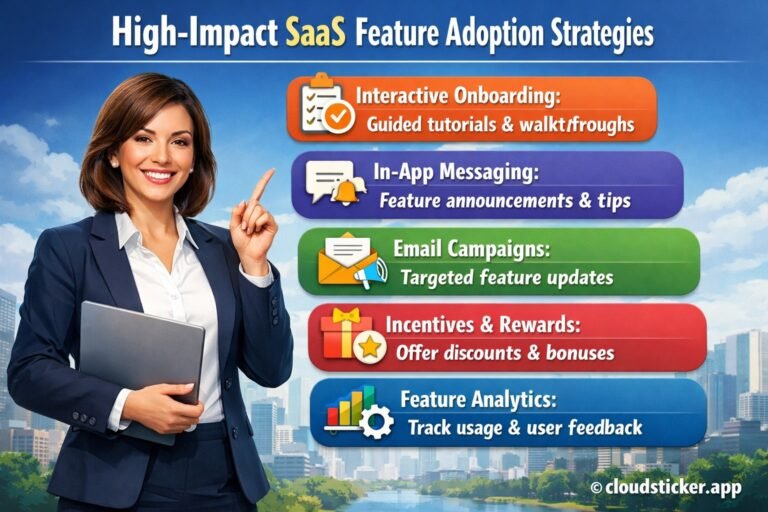
An engaging onboarding experience is critical for maximizing user adoption in a product-led growth model. The first impression a user has when interacting with a product can significantly influence their long-term engagement. Companies should invest in creating a streamlined onboarding process that not only familiarizes users with the product but also highlights its core value propositions. Interactive tutorials, guided tours, and user-friendly documentation can help users navigate through the initial stages of their experience, reducing frustration and improving satisfaction.
Personalization is another essential element of effective onboarding. By leveraging user data and preferences, SaaS companies can tailor the onboarding experience to meet individual needs. For example, guiding users through features that are most relevant to their goals can enhance their initial interactions. This personalized approach helps users realize the product’s value quicker, leading to increased adoption rates.
Furthermore, continuous optimization of the onboarding process is vital. Gathering feedback from users about their onboarding experience can provide actionable insights into what works and what doesn’t. Companies should regularly analyze user data to identify bottlenecks or areas of confusion within the onboarding journey and make necessary adjustments to enhance the overall experience.
Utilizing User Feedback to Enhance Product Features
User feedback is a goldmine of information that can be leveraged to improve product features and drive adoption. Engaging users through surveys, feedback forms, and direct communication channels can provide valuable insights into their experiences, preferences, and pain points. By actively soliciting feedback, organizations demonstrate their commitment to creating a user-centric product, which can foster loyalty and encourage users to advocate for the product within their networks.
Incorporating user feedback into product development ensures that the features being enhanced or created align with actual user needs. This approach minimizes the risk of investing resources into features that may not resonate with the target audience. For instance, if users consistently request specific functionalities, prioritizing their development can lead to a more robust product that meets market demands, thereby driving higher adoption rates.
Additionally, keeping users informed about how their feedback has influenced product updates fosters a sense of community and involvement. When users see their suggestions implemented, they are more likely to feel valued and engaged with the product. This transparency not only enhances customer satisfaction but also encourages ongoing feedback, creating a positive feedback loop that can continuously improve the product and its adoption.
Leveraging Free Trials to Boost User Acquisition Rates
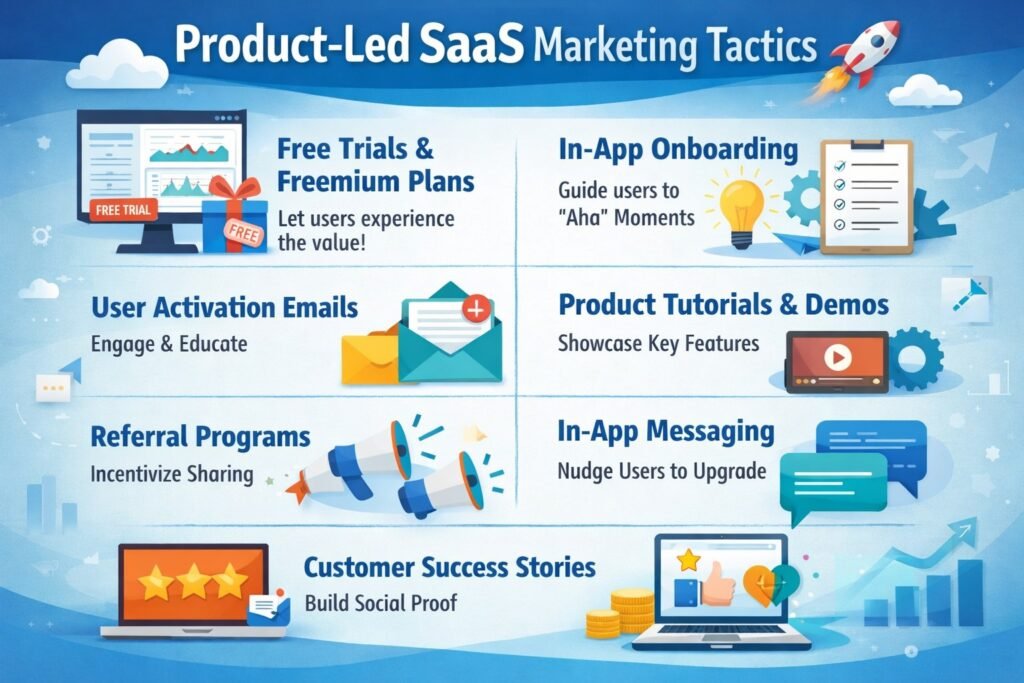
Offering free trials is a powerful tactic in product-led marketing that can significantly boost user acquisition rates. By allowing potential customers to experience the product with no financial commitment, companies can eliminate the risk associated with trying new software. This risk-free opportunity encourages more users to sign up and explore the product, leading to higher conversion rates from trial to paid subscriptions.
To maximize the effectiveness of free trials, organizations should ensure that the trial experience showcases the product’s best features and capabilities. This strategic approach can involve focusing on key functionalities that are likely to drive user engagement and demonstrate value. Marketing teams should also consider providing guided onboarding during the trial period to help users maximize their experience and understand how to leverage the product effectively.
Moreover, following up with users during and after the trial period is essential for converting them into paying customers. Personalized communication, such as reminders or tips on how to use the product, can reinforce the value they experienced during the trial. By maintaining engagement and addressing any concerns or questions, companies can increase the likelihood that users will transition to a paid plan, thus boosting overall user acquisition rates.
Implementing In-App Messaging for User Engagement
In-app messaging is an effective way to enhance user engagement and drive product adoption. By utilizing targeted messages, notifications, and prompts within the application, organizations can provide real-time guidance and support to users as they navigate the product. This proactive communication can improve user experience by helping users overcome challenges or encouraging them to explore underutilized features.
Personalization plays a crucial role in the effectiveness of in-app messaging. Tailoring messages based on user behavior, preferences, and engagement history can create a more relevant and meaningful experience. For instance, if a user frequently engages with a particular feature, sending them tips or updates about that feature can encourage deeper exploration and increase their overall satisfaction with the product.
Additionally, leveraging analytics to monitor the effectiveness of in-app messaging is vital. By tracking metrics such as click-through rates or user interactions with messages, companies can assess the impact of their communication strategies. Continuous optimization based on this data ensures that in-app messaging remains relevant and effective, leading to higher engagement and ultimately driving product adoption.
Analyzing User Behavior to Improve Retention Strategies
Understanding user behavior is essential for developing effective retention strategies in a product-led growth model. Analyzing how users interact with the product can provide insights into their preferences, pain points, and overall satisfaction. By leveraging analytics tools to track user engagement, organizations can identify patterns that may indicate potential churn or disengagement.
Once companies have a clear understanding of user behavior, they can implement targeted retention strategies tailored to different segments of their user base. For example, if analytics reveal that certain users are not fully utilizing key features, organizations can implement onboarding enhancements or targeted messaging to encourage deeper engagement. This proactive approach can help mitigate churn and ensure that users continue to derive value from the product.
Moreover, continuously monitoring user behavior allows companies to adapt their strategies to evolving customer needs. By staying attuned to changes in user preferences or usage patterns, organizations can proactively address concerns and enhance the overall user experience. This ongoing commitment to understanding and meeting user needs fosters loyalty and drives long-term adoption.
Measuring Success: Metrics for Product-Led Marketing Efforts
Measuring the success of product-led marketing efforts requires a clear understanding of key performance indicators (KPIs) that align with organizational goals. Metrics such as user acquisition rates, trial conversion rates, and customer lifetime value (CLV) are essential for assessing the effectiveness of marketing strategies. Additionally, tracking user engagement metrics such as daily active users (DAU) and feature usage provides insights into how well users are adopting and utilizing the product. Explore Profit-Driven SaaS Revenue Frameworks That Scale Growth and Maximise ROI
Another important aspect of measuring success is evaluating user feedback and satisfaction. Metrics such as Net Promoter Score (NPS) and customer satisfaction surveys can provide valuable insights into how users perceive the product and their likelihood of recommending it to others. Organizations should regularly analyze this feedback to identify areas for improvement and measure the impact of product updates and marketing initiatives.
Finally, setting clear goals and benchmarks allows organizations to assess the effectiveness of their product-led marketing strategies over time. By continuously monitoring metrics and adjusting tactics based on performance data, companies can optimize their marketing efforts and drive ongoing adoption. This data-driven approach ensures that the product remains aligned with user needs and market demands, ultimately contributing to long-term growth and success.
Conclusion – Product-Led SaaS Marketing Tactics
As organizations increasingly adopt product-led growth strategies, implementing effective marketing tactics becomes essential for driving user adoption. By focusing on user experience, leveraging feedback, and measuring success through relevant metrics, SaaS companies can create a sustainable path to growth. Embracing a product-centric approach not only enhances user satisfaction but also fosters loyalty and advocacy within the user community, ultimately positioning the company for long-term success.
Hashtags: #ProductLedGrowth #SaaS #UserAdoption #MarketingStrategies #CustomerEngagement
External Source: For more insights into product-led growth strategies, visit OpenView.