Essential SaaS Product Roadmap Checklist for Strategic Success
A well-defined SaaS product roadmap is essential for steering your organization toward strategic success. It aligns stakeholders, prioritizes features, and ensures that resources are allocated effectively. This article provides a comprehensive checklist for creating a SaaS product roadmap that meets both immediate needs and long-term goals. By utilizing this framework, companies can increase their operational efficiency, enhance customer satisfaction, and optimize their return on investment (ROI).
Key Components of a Successful SaaS Product Roadmap
Understanding Stakeholder Needs
Identifying stakeholder needs is the first step in developing a successful SaaS product roadmap. Stakeholders include customers, internal teams, and investors. Conduct surveys and interviews to gather insights on user requirements. This data will guide your roadmap’s direction, ensuring it meets market demands.
Furthermore, prioritize these needs based on urgency and impact. Not every feature is equally important. Utilize a prioritization matrix to visualize these factors. For example, features that enhance user experience may take precedence over those that improve backend performance.
Finally, continuous engagement with stakeholders is critical. Regularly update them on progress and seek feedback. This creates a collaborative environment, ensuring that your roadmap remains relevant as needs evolve.
Clear Vision and Objectives
A successful roadmap must be anchored in a clear vision and objectives. Define your product’s long-term mission. Is it to disrupt an industry or to enhance user productivity? A well-articulated vision guides decision-making throughout the product lifecycle.
Next, establish measurable objectives aligned with that vision. These could include user acquisition targets, customer satisfaction scores, or retention rates. By setting quantifiable goals, you create milestones that can guide your team’s efforts.
Lastly, communicate this vision across the organization. Everyone from marketing to development should understand the roadmap’s objectives. A shared vision fosters a unified approach, helping teams to remain focused on overarching goals.
Feature Prioritization and Timeline
Effective feature prioritization is essential to a successful roadmap. Use frameworks like MoSCoW (Must have, Should have, Could have, Won’t have) to categorize features. This helps your team focus efforts on what truly adds value to users.
After prioritization, develop a timeline for feature releases. A Gantt chart can visually represent when features will be delivered. This timeline should include dependencies to clarify any potential bottlenecks in the development process.
Moreover, remain flexible. Market conditions can change, and you may need to adjust your timeline or priorities. Regularly review and update the roadmap to reflect these changes. An adaptable roadmap is better positioned to succeed.
Strategic Planning for Long-Term SaaS Success
Market Analysis and Competitive Landscape
Understanding the market and competitive landscape is fundamental for long-term success. Conduct a SWOT analysis (Strengths, Weaknesses, Opportunities, Threats) of your product compared to competitors. This helps identify gaps in the market that your product can fill.
Use tools like Porter’s Five Forces to evaluate industry dynamics. Analyzing buyer power, supplier power, and competitive rivalry provides valuable insights into where your product fits. This information can guide feature development and marketing strategies.
Moreover, keep an eye on emerging trends. Technologies evolve rapidly, and customer preferences shift. Regular market analysis allows you to pivot when necessary, keeping your offering relevant and competitive.
Customer Journey Mapping
Creating a customer journey map is vital for understanding user interactions with your product. Identify touchpoints where customers engage with your SaaS solution. These touchpoints can range from onboarding to ongoing support.
Next, analyze user pain points at each stage. What obstacles do customers face? Addressing these issues can significantly enhance user experience. Use analytics tools to gather data on user behavior, enabling you to make informed decisions on feature enhancements.
Finally, include feedback loops in your mapping. Encourage users to provide input on their experiences. This continuous feedback will inform your roadmap, allowing you to adapt to user needs effectively.
Scalability and Technology Stack
Planning for scalability is crucial for sustained success. As your user base grows, your infrastructure must handle increased demand. Consider using cloud services that offer scalability options. This ensures you can expand resources as needed without disruption.
Evaluate your technology stack. A well-architected stack enables seamless scaling. Microservices, for example, allow independent scaling of different components. Assess your existing technology for potential bottlenecks that could hinder growth.
Additionally, invest in performance monitoring tools. They provide insights into system performance, allowing for proactive adjustments. Regularly review capacity and performance metrics to ensure your infrastructure supports growth.
Implementation and Governance
Creating a Governance Framework
Establishing a governance framework is essential for aligning strategic objectives with day-to-day operations. Define roles and responsibilities across teams. Clear accountability ensures that everyone understands their contributions to the roadmap.
Implement a change management process. Changes to the roadmap should be documented and communicated clearly. This helps prevent confusion and ensures that stakeholders are aligned on new directions.
Furthermore, incorporate compliance considerations into your governance framework. Regulatory changes can impact product features and requirements. Staying informed about compliance helps mitigate risks associated with non-compliance.
Performance Metrics and ROI
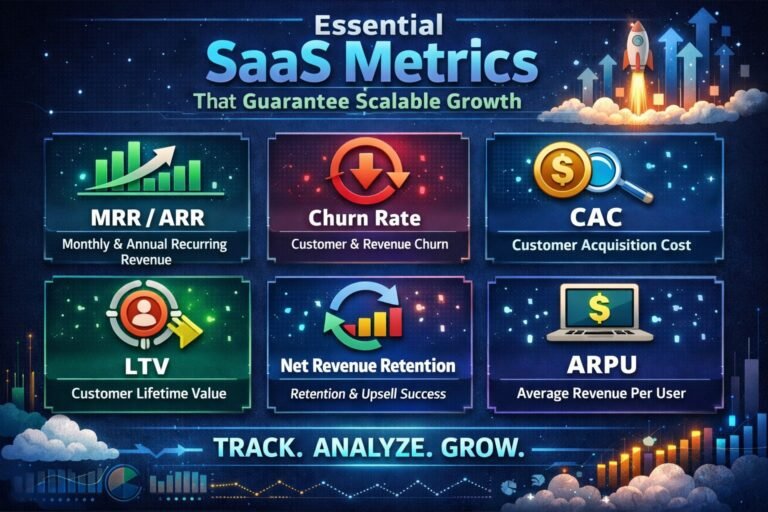
Measuring performance metrics is vital for evaluating the success of your roadmap. Implement KPIs that reflect your strategic objectives. Metrics could include customer growth rates, churn rates, or net revenue retention (NRR).
Conduct regular assessments of these metrics. This enables you to identify trends and areas for improvement. If metrics fall short, reassess your roadmap and make necessary adjustments.
Finally, calculate the ROI of features delivered. Understanding the financial impact of your roadmap decisions justifies investments and guides future prioritization. This data-driven approach ensures that resources are allocated effectively.
Executive FAQ
What is the impact on TCO?
Total Cost of Ownership (TCO) is a crucial metric for evaluating SaaS solutions. It encompasses all costs, including acquisition, maintenance, and operational expenses. Effective product roadmap planning can minimize TCO by prioritizing features that enhance efficiency. Regular reviews of costs associated with infrastructure and human resources can further optimize TCO.
How do we ensure security governance?
Security governance requires a proactive approach. Incorporate security measures into your SaaS product from the outset. Conduct risk assessments regularly and stay updated on compliance requirements. Ensuring that security is a part of the roadmap helps mitigate risks and protects customer data.
What role does legacy integration play?
Legacy integration can significantly impact the success of your SaaS product. Many organizations have existing systems that require integration. A roadmap that addresses these needs ensures seamless transitions. Identify legacy systems early and evaluate the integration effort required to minimize disruption.
How do we measure user satisfaction effectively?
User satisfaction can be measured through various methods, including surveys, Net Promoter Score (NPS), and usage analytics. Regularly collecting this data enables you to adapt your roadmap based on user feedback. Identifying satisfaction levels can highlight areas for improvement in features or services.
What are the long-term scalability considerations?
Long-term scalability involves planning for growth in both user base and data. Choose technologies that allow for horizontal scaling to accommodate increased demand. Regularly reassess your infrastructure’s performance metrics to ensure it can handle growth without service interruptions.
Why is cross-functional alignment important?
Cross-functional alignment ensures that all teams work toward a common goal. This alignment facilitates smoother communication, reduces redundancy, and enhances productivity. A well-aligned organization can respond more effectively to market changes and customer needs.
How frequently should we revisit the roadmap?
Revisiting the roadmap should be a regular practice. At minimum, conduct quarterly reviews to assess alignment with objectives and market conditions. More frequent reviews may be necessary in rapidly changing environments. Regular updates keep the roadmap relevant and actionable.
What tools are most effective for roadmap planning?
Several tools can enhance roadmap planning, including Trello, Jira, and Aha!. These platforms allow for collaboration, prioritization, and tracking progress. Choose a tool that aligns with your team’s workflow for maximum efficiency.
Crafting an effective SaaS product roadmap requires a structured approach. By focusing on key components such as stakeholder needs, market analysis, and governance frameworks, organizations can ensure strategic success. A well-defined roadmap aligns teams and resources, setting the stage for sustainable growth and innovation. Implement these principles, and watch your SaaS product thrive in an increasingly competitive landscape.