Mastering SaaS Customer Success: A Playbook for Retention Growth
In SaaS customer success is paramount for retention and growth. A well-structured customer success strategy can significantly improve a company’s ability to retain clients and enhance their lifetime value. The journey toward mastering SaaS customer success involves understanding essential strategies, building a comprehensive playbook, and implementing actionable metrics. This article serves as a detailed guide to help organizations maximize customer retention while fostering growth.
Essential Strategies for Maximizing SaaS Customer Retention
Understanding Customer Needs
To maximize customer retention, it is vital to understand customer needs. Conducting regular surveys and interviews can reveal valuable insights. These insights help tailor your services to meet specific customer expectations. A well-informed strategy reduces churn rates, leading to increased customer loyalty.
Customer segmentation is another necessary tactic. By categorizing customers based on their behavior, usage patterns, and business size, you can personalize your approach. This personalization fosters deeper relationships. When customers feel seen and understood, they are more likely to stay loyal.
Lastly, investing in customer education is crucial. Offering onboarding sessions, webinars, and training materials can empower customers. An educated customer is less likely to feel overwhelmed. They can quickly address challenges, leading to higher satisfaction and, ultimately, better retention.
Proactive Communication
Proactive communication plays a pivotal role in retaining SaaS customers. Regular check-ins enable your team to identify potential issues before they escalate. Assign customer success managers to monitor client health scores and usage analytics. This proactive approach can prevent churn and increase engagement.
Utilizing data analytics also enhances communication. Analyzing customer usage patterns allows teams to initiate conversations based on actual behavior. For instance, if usage drops significantly, reaching out with helpful tips can rekindle interest. Personalized communication builds trust and encourages customers to seek assistance when needed.
Moreover, creating a feedback loop is essential. Actively soliciting feedback shows customers that their opinions matter. Implementing changes based on this feedback fosters loyalty. Customers feel they have a voice, which strengthens their connection to your brand.
Building Strong Relationships
Building strong relationships is foundational for customer retention. Establishing a rapport with clients leads to trust and loyalty. Regularly engaging with customers helps identify their evolving needs. This engagement shows that you are invested in their success.
Creating community platforms, such as forums or user groups, is another effective strategy. These platforms allow customers to connect with each other and your team. Knowledge sharing among users can lead to increased satisfaction. When customers feel part of a community, their likelihood of leaving decreases.
Finally, recognizing and celebrating customer milestones strengthens relationships. Acknowledging anniversaries, renewals, or achievements fosters goodwill. Simple gestures of appreciation go a long way in building lasting connections. When customers feel valued, they are less likely to look for alternatives.
Building a Comprehensive Playbook for Customer Success
Defining Customer Success Metrics
A comprehensive customer success playbook starts with defining key metrics. Identifying these metrics helps track performance and effectiveness. Common metrics include Net Promoter Score (NPS), Customer Satisfaction Score (CSAT), and Customer Lifetime Value (CLV). These metrics provide valuable insights into customer health and satisfaction.
Each metric offers a different perspective on success. For example, NPS measures customer loyalty, while CSAT assesses satisfaction with specific interactions. Establishing benchmarks for these metrics allows for continuous improvement. Teams can identify areas needing attention and prioritize resources accordingly.
Including qualitative metrics is also beneficial. Customer testimonials and case studies provide context that numbers alone cannot convey. These narratives help you understand the emotional aspects of customer experience. They can guide future strategies and inspire your team to strive for excellence.
Creating a Customer Journey Map
A customer journey map is an essential tool for understanding the customer experience. This visual representation outlines each touchpoint a customer encounters. From onboarding to renewal, mapping these stages highlights opportunities for improvement.
Identifying pain points in the customer journey is crucial. When you know where customers encounter obstacles, you can address these issues proactively. Adapting processes to streamline the experience will lead to higher satisfaction and retention rates.
Furthermore, involving cross-functional teams in this process is vital. Each department—sales, marketing, and support—has a role in shaping the customer experience. Collaboration ensures alignment on customer priorities and a unified approach to success.
Implementing an Onboarding Program
A structured onboarding program is fundamental to customer success. A successful onboarding experience reduces the likelihood of early churn. Customers who feel confident using your platform from the start are more likely to stay engaged.
Creating detailed onboarding plans tailored to different customer segments is effective. These plans should include guided tutorials, checklists, and resources. Customized onboarding experiences cater to individual needs and enhance satisfaction.
Additionally, assigning a dedicated onboarding specialist can help guide customers. This specialist can address questions and provide support during the critical early stages. A smooth onboarding process sets the tone for a positive long-term relationship.
Strategic Framework for Enhancing Customer Success
Introduction to the Customer Success Maturity Framework
The Customer Success Maturity Framework serves as a strategic guide for enhancing customer success efforts. This framework categorizes organizations into stages based on their level of customer success maturity. Understanding where your organization stands can help align efforts.
The stages include Initial, Managed, Defined, and Optimized. Organizations at the Initial stage have ad-hoc practices. Managed organizations demonstrate a growing commitment to customer success. Defined organizations have documented processes, while Optimized firms continuously refine their approaches.
Mapping your organization to this framework allows for targeted improvements. By understanding your current stage, you can identify gaps and prioritize initiatives. This systematic approach ensures that resources are allocated efficiently to drive growth.
Implementing the Customer Success Maturity Framework
To implement the Customer Success Maturity Framework, begin with a thorough assessment. Evaluate existing customer success practices against the framework’s criteria. Engage stakeholders from various departments to gather holistic insights.
After identifying your current stage, develop a roadmap for progression. Define clear objectives and actionable steps for moving to the next stage. This roadmap should include timelines and responsible parties for each initiative.
Regularly review progress against the roadmap to ensure accountability. Utilize customer success metrics to measure effectiveness and make necessary adjustments. This iterative process fosters a culture of continuous improvement, ultimately driving retention and growth.
Actionable Metrics and Data Analysis
Tracking Key Performance Indicators (KPIs)
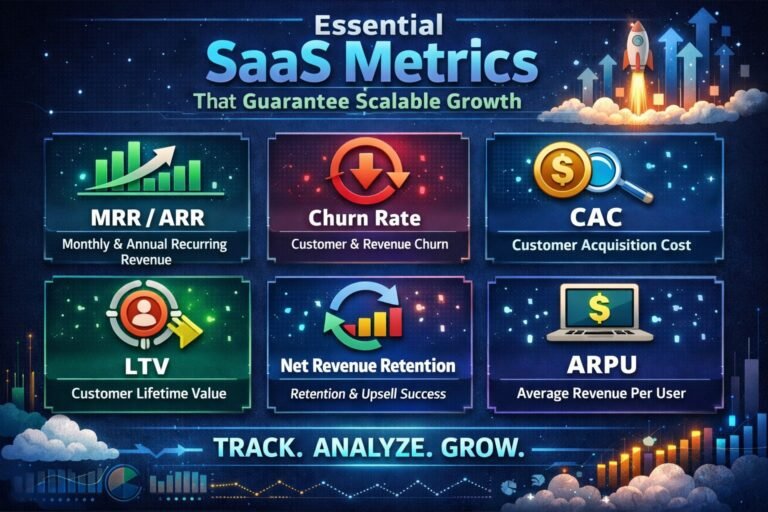
Tracking key performance indicators (KPIs) is essential for assessing customer success. Commonly used KPIs in SaaS include Churn Rate, Monthly Recurring Revenue (MRR), and Feature Adoption Rates. Monitoring these indicators enables organizations to gauge customer health.
Churn Rate is particularly important. A rising churn rate signals underlying issues that need addressing. Regularly analyzing this metric helps identify trends and informs retention strategies.
Additionally, Feature Adoption Rates help gauge customer engagement with specific offerings. High adoption rates indicate that customers find value. Conversely, low rates may suggest the need for further education or improvements.
Utilizing Data for Predictive Insights
Utilizing data analytics can lead to predictive insights that enhance customer success. Advanced analytics can uncover patterns in customer behavior, informing retention strategies. Using machine learning algorithms helps predict churn and identify at-risk customers.
Building customer profiles based on historical data allows for personalized interventions. For example, if data indicates that a segment of users is disengaging, targeted outreach can rekindle their interest.
Moreover, combining qualitative and quantitative data provides a comprehensive view. Customer feedback and usage patterns together create a more nuanced understanding. This holistic perspective enables organizations to tailor their strategies effectively.
Creating an Engagement Strategy
Building a Multi-Channel Engagement Plan
An effective engagement strategy employs multiple channels to reach customers. Utilizing email, in-app messaging, and social media ensures that communication is diverse and effective. Tailoring messages to specific channels enhances customer experience.
Email campaigns can provide valuable resources and updates. In-app messaging delivers real-time information, ensuring users remain engaged. Social media offers a platform for community building and feedback collection.
Additionally, leveraging customer data to personalize outreach is critical. Tailored messages resonate more with customers than generic communications. By aligning messages with their preferences, organizations can foster deeper engagement.
Incorporating Customer Feedback Mechanisms
Incorporating customer feedback mechanisms reinforces your engagement strategy. Regularly soliciting input from clients helps capture their sentiments and needs. Surveys, focus groups, and one-on-one interviews can provide invaluable insights.
Establishing a feedback loop fosters an ongoing dialogue. Customers appreciate knowing their opinions matter, leading to increased loyalty. Actively acting on feedback demonstrates commitment to customer success.
Moreover, promoting changes based on feedback can enhance transparency. When customers see that their input leads to tangible improvements, their trust in your brand deepens. This trust is a key driver of retention.
Executive FAQ
What are the key factors influencing Total Cost of Ownership (TCO) in SaaS?
Total Cost of Ownership in SaaS encompasses several factors, including subscription costs, implementation expenses, and ongoing support needs. Organizations must assess not only the direct costs but also indirect expenses such as training and integration. Evaluating TCO involves analyzing the financial impact over time, factoring in potential savings from increased efficiency and reduced operational overhead.
How do you measure the effectiveness of customer success initiatives?
Measuring the effectiveness of customer success initiatives involves analyzing a range of metrics. Key Performance Indicators such as Churn Rate, Net Promoter Score (NPS), and Customer Lifetime Value (CLV) provide insights into customer satisfaction and retention. Regular surveys, feedback, and direct customer interactions help evaluate the qualitative aspects of the initiatives.
What are the implications of poor customer success on enterprise growth?
Poor customer success has dire implications for enterprise growth. High churn rates lead to decreased revenue and increased acquisition costs. Additionally, unhappy customers can damage brand reputation and reduce new customer acquisition through negative word-of-mouth. Long-term, the lack of effective customer success strategies stunts growth and limits scalability.
How can organizations align cross-functional teams for customer success?
Aligning cross-functional teams for customer success involves fostering a culture of collaboration. Establishing clear communication channels and shared goals helps unite departments. Regular meetings and feedback sessions facilitate information sharing. Additionally, creating a centralized customer success platform allows all teams to access relevant data, ensuring collective accountability.
What role does customer education play in retention?
Customer education plays a critical role in retention by empowering users to effectively utilize the product. Well-informed customers are less likely to encounter frustration, leading to increased satisfaction. Offering comprehensive onboarding, tutorials, and ongoing training fosters confidence and encourages deeper engagement. As customers become more adept, they are more likely to renew their subscriptions.
How to create a customer journey map effectively?
Creating a customer journey map effectively involves identifying all touchpoints across the customer lifecycle. Collaborate with various teams to gather insights on customer interactions, pain points, and expectations. Utilize visual tools to present the journey clearly. Regularly update the map based on new insights and feedback, ensuring it remains relevant and actionable.
What are the main challenges in implementing a customer success framework?
Implementing a customer success framework often presents challenges such as resistance to change and lack of alignment among teams. Establishing a clear vision and objectives is crucial for overcoming these hurdles. Training and change management initiatives can help foster buy-in from all stakeholders. Furthermore, consistently communicating the benefits of the framework aids in gaining support.
Conclusion – Mastering SaaS Customer Success: A Playbook for Retention Growth
Mastering customer success in the SaaS landscape requires a strategic approach. By implementing essential strategies, creating a comprehensive playbook, and leveraging actionable metrics, organizations can significantly improve customer retention. The journey toward effective customer success is ongoing, but the rewards are undeniable. Increased retention not only enhances customer lifetime value but also drives sustainable growth. A well-executed customer success strategy will lay the groundwork for long-term business success.