
SaaS Sales Funnel Strategies: How to Increase Conversions and Close Rates
Close-rate optimized SaaS Sales Funnel Strategies are crucial for converting leads into paying customers in an increasingly competitive market. With a surge in software-as-a-service offerings, companies must adopt effective strategies to stand out and enhance their sales processes. This article delves into the importance of well-structured sales funnels, the key components that drive conversions, and actionable insights to optimize these funnels for better close rates. If you’ve ever felt like your SaaS Sales Funnel funnel is doing a lot of work but not delivering enough results, you’re definitely not alone.
Understanding the Importance of SaaS Sales Funnels Today
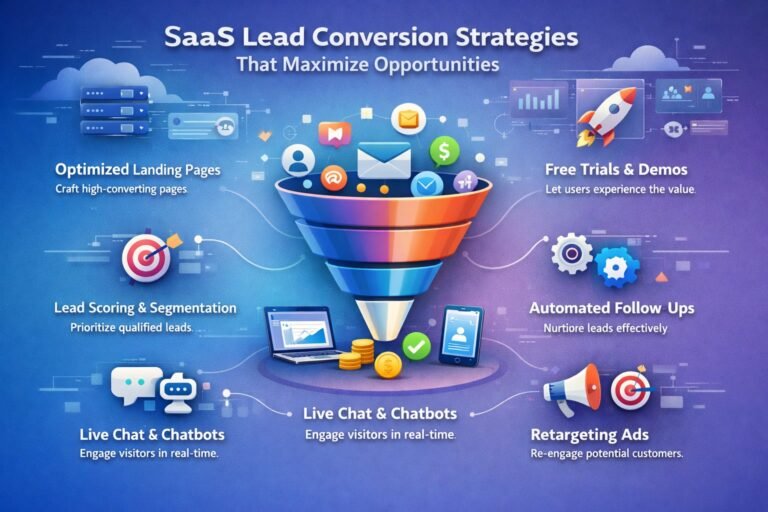
In the realm of SaaS, sales funnels serve as the backbone of the customer acquisition process. The digital landscape is crowded, making it vital for organizations to create funnels that not only attract leads but also convert them effectively. A well-optimized sales funnel streamlines the journey from awareness to decision-making, guiding potential customers through every stage with engaging content and targeted messaging. This is essential for ensuring that leads remain interested and informed about the product offerings.
SaaS sales funnels help in identifying the most effective touchpoints for nurturing leads. By analyzing customer behavior and engagement metrics, businesses can fine-tune their funnel strategies to better align with customer needs. This not only boosts conversion rates but also enhances customer satisfaction, leading to increased retention rates a critical factor in long-term success for SaaS companies. As competition amplifies, organizations that invest in optimizing their sales funnels stand to benefit from higher close rates and a more robust customer base.
Moreover, the importance of personalization in today’s sales funnels cannot be overstated. Modern consumers expect tailored experiences that resonate with their specific needs and pain points. By leveraging data analytics and customer insights, organizations can create customized touchpoints throughout the funnel, thereby enhancing engagement and increasing the likelihood of conversion. This strategic focus on personalization helps to differentiate SaaS offerings in a saturated market.
Key Components of a High-Converting Sales Funnel
A high-converting sales funnel is built on several key components, each playing a pivotal role in guiding leads through the purchasing journey. The first essential element is awareness, where potential customers first encounter a brand. This stage often employs targeted marketing strategies such as content marketing, social media engagement, and search engine optimization to attract the right audience. A strong awareness phase is vital for generating initial interest, setting the stage for further engagement.
Following awareness, the consideration stage involves nurturing leads with informative and persuasive content. This can include case studies, whitepapers, webinars, and other resources that address potential customers’ pain points. Providing value during this stage builds trust and establishes the brand as an authority in the industry, which is crucial for moving leads further down the funnel. The consideration phase should be designed to answer key questions that leads may have while evaluating their options.
Finally, the decision stage is where leads convert into customers. Here, businesses need to present compelling offers, such as free trials, demos, or special pricing. Implementing clear calls to action and ensuring a seamless onboarding experience are critical in this phase. Closing the deal efficiently not only increases immediate revenue but also sets the foundation for long-term customer relationships, which are vital in the subscription-based SaaS model.
Optimizing Lead Generation for SaaS Businesses
Effective lead generation is a cornerstone of successful SaaS sales funnels. It begins with understanding the target audience, which includes identifying their demographics, preferences, and pain points. By aligning lead generation strategies with the unique characteristics of the target market, businesses can craft more effective messaging that resonates with potential customers. Techniques such as buyer personas and customer journey mapping can be instrumental in this process.
Content marketing is one of the most effective lead generation strategies for SaaS companies. Producing high-quality, valuable content that addresses common challenges faced by the target audience can attract organic traffic and establish credibility. Additionally, utilizing various content formats, such as blogs, videos, and infographics, can cater to diverse preferences and enhance engagement. Sharing this content through social media and email marketing also amplifies its reach, further boosting lead generation efforts.
Another vital aspect of lead generation is leveraging technology and tools that enhance efficiency and effectiveness. Marketing automation platforms enable SaaS businesses to streamline their lead generation workflows, from capturing leads through landing pages to nurturing them with tailored email campaigns. Utilizing analytics tools to track engagement and conversion metrics also aids in refining lead generation strategies over time, ensuring continuous improvement and adaptability in response to evolving market conditions.
Crafting Compelling Messages That Drive Conversions
Message crafting is a critical component of successful SaaS sales funnels. The messaging should be clear, concise, and aligned with the overall brand voice while addressing the specific needs and motivations of potential customers. Effective messaging communicates the value proposition of the SaaS product, highlighting how it solves customer pain points and improves their business outcomes. This clear articulation of value is crucial in persuading leads to take action.
To enhance conversion rates, businesses should focus on emotional appeal alongside factual information. Storytelling can be a powerful technique, allowing prospects to relate to real-life scenarios and visualize themselves using the product. Highlighting customer testimonials and success stories can also build credibility and trust. By presenting relatable solutions and real-world results, organizations can better connect with potential customers and encourage them to move forward in the sales funnel.
Additionally, the clarity of calls-to-action (CTAs) is essential in driving conversions. CTAs should be strategically placed throughout the funnel, guiding leads toward the next steps with urgency and simplicity. Phrases like “Start your free trial today” or “Book a demo now” create actionable pathways for leads to follow. Ensuring that CTAs are visually distinct and compelling can significantly influence conversion rates, making it easier for potential customers to take the desired action.
Analyzing Customer Behavior to Improve Close Rates
Understanding customer behavior is paramount for optimizing sales funnels and improving close rates. By analyzing how leads interact with various touchpoints, organizations can identify patterns and trends that inform their strategies. Key metrics such as click-through rates, bounce rates, and engagement levels provide insights into what resonates with customers and what does not. This data-driven approach enables businesses to make informed adjustments to their sales funnels for maximum effectiveness.
Segmenting leads based on their behavior can also enhance targeted marketing efforts. This allows businesses to tailor messaging to distinct groups, ensuring that each segment receives content that aligns with their interests and needs. For example, leads who frequently engage with educational content may benefit from more in-depth resources, while those who click on pricing pages may be further along in their decision-making process. This level of personalization can significantly enhance the likelihood of conversion.
Furthermore, implementing feedback loops can provide valuable insights into customer perceptions and experiences. Post-interaction surveys or follow-up emails can capture customer sentiment and highlight areas for improvement. Regularly reviewing this feedback not only demonstrates commitment to customer satisfaction but also informs ongoing adjustments to the sales funnel, ultimately driving better close rates and fostering long-term loyalty.
Leveraging Automation to Streamline SaaS Sales Funnel Strategies
Automation technologies have revolutionized the way SaaS companies manage their sales funnels. By automating repetitive tasks such as lead nurturing, follow-ups, and data collection, organizations can free up valuable time and resources. This enables teams to focus on strategic initiatives rather than mundane activities, ultimately enhancing productivity and efficiency in the sales process.
One of the most effective applications of automation in SaaS sales funnels is in email marketing. Automated email campaigns can be tailored to target specific segments of leads based on their behavior and interests. For instance, a lead who signs up for a free trial can receive a series of onboarding emails that guide them through the product features and encourage engagement. This kind of targeted communication increases the chances of conversion as it provides leads with relevant information at the right time.
Moreover, utilizing customer relationship management (CRM) tools can enhance the effectiveness of automation within the sales funnel. These platforms allow businesses to track leads and manage interactions seamlessly. Integrating automation capabilities with CRM systems enables organizations to create personalized workflows that nurture leads through the funnel effectively. By leveraging these technologies, SaaS businesses can create a streamlined, efficient sales process that drives conversions and close rates.
A/B Testing: Finding What Works Best for Your Audience
A/B testing, or split testing, is a powerful method for optimizing SaaS sales funnels. This approach involves comparing two variations of a particular element such as headlines, CTAs, or email subject lines to determine which version performs better in terms of conversion rates. By systematically testing different components of the sales funnel, businesses can uncover insights that drive more effective strategies and increase close rates.
When conducting A/B tests, it’s essential to start with a clear hypothesis and define the metrics for success. For example, if testing two different email subjects, the goal could be to increase open rates. Running tests over a sufficient duration ensures that results are statistically significant and can be reliably interpreted. This data-driven decision-making process allows organizations to refine their sales funnels based on empirical evidence rather than assumptions.
In addition to improving specific elements of the sales funnel, A/B testing fosters a culture of continuous improvement. By regularly testing and iterating on different components, SaaS companies can stay ahead of market trends and customer preferences. This proactive approach not only enhances the customer experience but also positions the business as an agile and responsive organization, capable of adapting to changing demands.
Measuring Success: Metrics That Matter in SaaS Sales
To optimize sales funnels effectively, SaaS businesses must identify and track key performance indicators (KPIs) that measure success. Metrics such as conversion rates, customer acquisition costs (CAC), and customer lifetime value (CLV) provide critical insights into the efficiency and profitability of the sales process. Monitoring these metrics allows organizations to assess the effectiveness of their strategies and make data-driven adjustments as needed.
Another essential metric is the sales funnel drop-off rate, which indicates how many leads are lost at various stages of the funnel. By pinpointing where leads are disengaging, businesses can focus their optimization efforts on those specific areas. For example, if a high percentage of leads drop off during the consideration stage, it may indicate that the content provided at that stage is not persuasive or informative enough. Addressing these gaps can lead to significant improvements in close rates.
Lastly, regular performance reviews and analytics reporting can facilitate strategic planning for future sales initiatives. By setting benchmarks based on historical data and industry standards, organizations can gauge their performance and identify areas for growth. This ongoing analysis ensures that SaaS companies remain competitive and continue to refine their sales funnels for optimal results.
Conclusion – SaaS Sales Funnel Strategies
In SaaS close-rate optimized SaaS Sales Funnel Strategies are vital for converting leads into loyal customers. By understanding the importance of effective sales funnels and implementing strategies such as automation, A/B testing, and customer behavior analysis, businesses can significantly improve their close rates. By continually measuring success and refining approaches, SaaS organizations can thrive in a competitive environment, ensuring long-term growth and customer satisfaction. Explore SaaS Customer Intelligence Strategies
Hashtags: #SaaS #SalesFunnels #LeadGeneration #ConversionOptimization #MarketingAutomation
External Source: For more insights on optimizing SaaS sales funnels, visit SalesForce