SaaS Customer Intelligence Strategies: How to Turn Data into Actionable Insights
SaaS Customer Intelligence Strategies are becoming crucial for organizations aiming for sustainable growth and customer satisfaction. In the ever-evolving SaaS landscape, understanding customer behavior and preferences can set companies apart from their competition. This article delves into the essential strategies, tools, and cultural shifts necessary to implement effective customer intelligence frameworks.
Understanding SaaS Customer Intelligence Strategies
Insight-led strategies in SaaS customer intelligence leverage data-driven approaches to understand customer needs and behaviors. These strategies prioritize actionable insights that not only inform product development but also enhance customer experiences and retention rates. By analyzing data from various sources like user interactions, feedback surveys, and market trends SaaS companies can create a holistic view of their customer base. This understanding allows for more personalized marketing, targeted product features, and ultimately, a stronger relationship with customers.
The foundation of insight-led strategies is data integration, where information from disparate channels is consolidated for analysis. From CRM systems to customer support tickets, each data point contributes to a more nuanced understanding of customer interactions. This comprehensive data approach enables organizations to identify patterns, segment customers effectively, and tailor their offerings to meet diverse needs. Additionally, organizations can use predictive analytics to foresee potential customer behaviors, allowing them to act proactively rather than reactively.
Furthermore, these strategies require a cultural shift within the organization. All teams from marketing and sales to product development should be aligned with the goals of understanding customer insights. This cross-functional collaboration ensures that the customer’s voice is considered at every stage, fostering an organizational culture focused on delivering value. By embedding insight-led strategies into the organizational DNA, SaaS companies can not only enhance their service offerings but also build long-term customer loyalty.
Key Benefits of SaaS Customer Intelligence Strategies
The primary benefit of implementing customer intelligence strategies is improved customer experience. By understanding what customers value, SaaS companies can tailor their offerings to meet specific needs, fostering a sense of personalization that enhances user satisfaction. This focused approach leads to increased customer retention, as users are more likely to remain loyal to a brand that understands and responds to their needs.
In addition to improving customer experience, customer intelligence also drives revenue growth. With the ability to analyze customer purchasing behavior and preferences, SaaS companies can develop targeted marketing campaigns that resonate with their audience. By focusing on high-value customer segments and crafting personalized offers, organizations can maximize their return on investment. This increased revenue potential translates into a more sustainable business model, allowing companies to innovate and expand.
Moreover, customer intelligence fosters data-driven decision-making. In the fast-paced SaaS industry, having timely and accurate data at one’s fingertips can be a game-changer. Organizations that utilize customer intelligence can pivot quickly based on insights gleaned from their customer base, whether it’s adapting to shifting market demands or optimizing product features. This agility helps SaaS companies stay competitive and relevant in a crowded market.
Collecting and Analyzing Customer Data Effectively
Effective collection and analysis of customer data is essential for maximizing the benefits of customer intelligence. Organizations should begin by defining clear objectives for what they want to achieve through data collection. This clarity ensures that the data collected is relevant and actionable. For instance, if the goal is to improve customer onboarding, tracking metrics like time-to-first-value and user engagement during the onboarding process can provide actionable insights.
Once data collection objectives are established, organizations should utilize a variety of methods to gather data. Surveys, interviews, and customer feedback forms are traditional methods that can yield valuable qualitative insights. However, quantitative data from user interactions, behavioral analytics, and user activity logs can provide a more robust understanding of customer behavior. Integrating both qualitative and quantitative data sources creates a comprehensive picture of customer needs and preferences.
After data collection comes the analysis phase, which is critical for deriving actionable insights. Using analytical tools and software, organizations can visualize data trends and identify patterns. Techniques such as cohort analysis, segmentation, and funnel analysis can help teams pinpoint strengths and weaknesses in the customer journey. By translating these analytical insights into actionable strategies such as refining marketing messages or enhancing product features SaaS companies can ensure their offerings align with customer expectations.
Tools and Technologies to Enhance Customer Insight
The tools and technologies available to enhance customer intelligence are vast and constantly evolving. Customer Relationship Management (CRM) systems are foundational, allowing organizations to manage customer interactions and data in one centralized location. Platforms like Salesforce or HubSpot provide comprehensive analytics features that help businesses track customer behavior, monitor engagement levels, and assess sales performance.
Moreover, advanced analytics tools, such as Google Analytics, Mixpanel, and Amplitude, offer sophisticated tracking and reporting capabilities. These tools focus on user behavior analytics, providing insights on how customers interact with a product or service. By utilizing these analytics, organizations can identify high-performing features and areas requiring improvement, allowing for data-driven product enhancements.
Additionally, customer feedback tools like SurveyMonkey or Typeform can facilitate the collection of qualitative data directly from users. These platforms help businesses gather insights on customer satisfaction, pain points, and feature requests. Integrating feedback mechanisms within the product itself, such as in-app surveys or feedback buttons, can streamline data collection and provide real-time insights, fostering a more agile response to customer needs.
Implementing Actionable Customer Intelligence Insights
Implementing actionable insights derived from customer intelligence is crucial for driving meaningful change within a SaaS organization. To do this effectively, companies need to establish a framework for prioritizing insights based on impact and feasibility. Insights should be categorized into quick wins and long-term projects, allowing organizations to capitalize on immediate opportunities while also planning for sustained growth.
Once insights are prioritized, the next step is to translate them into specific actions. This might involve adjusting marketing strategies, refining product features, or enhancing customer support processes. For instance, if data indicates that users struggle with a specific feature, the product team should prioritize addressing this issue in the next product iteration. Additionally, marketing teams can use insights to craft targeted campaigns that resonate with identified customer segments.
Furthermore, communication and alignment across departments are vital for successful implementation. Regular cross-functional meetings can ensure that all teams are on the same page regarding the insights and the corresponding actions. By fostering collaboration, organizations can create a unified approach to implementing customer intelligence insights, ultimately leading to improved customer experiences and business outcomes. Discover Email Marketing Strategies for SaaS: Proven Tactics to Increase Conversions
Building a Customer-Centric Culture in SaaS Firms
A customer-centric culture is one of the most valuable assets a SaaS company can cultivate. This culture prioritizes customer needs and fosters a mindset where every employee from the CEO to the support staff understands the importance of customer satisfaction. Emphasizing the value of customer insights across all levels of the organization can create a unified approach to meeting customer needs.
To build this culture, organizations should invest in training and development programs that emphasize customer empathy and understanding. Workshops and seminars can help employees appreciate the customer journey and the impact their roles have on customer experiences. Furthermore, recognizing and rewarding employees who exemplify customer-centric behaviors can reinforce this culture and motivate others to follow suit.
Leadership plays a critical role in shaping a customer-centric culture. Executives should consistently demonstrate commitment to customer satisfaction through their decision-making processes. By prioritizing customer feedback in strategic planning and openly discussing customer-centric goals, leaders can inspire their teams to adopt a similar focus. This alignment at the top can create a ripple effect throughout the organization, leading to lasting cultural change that centers around the customer.
Measuring the Impact of SaaS Customer Intelligence Strategies
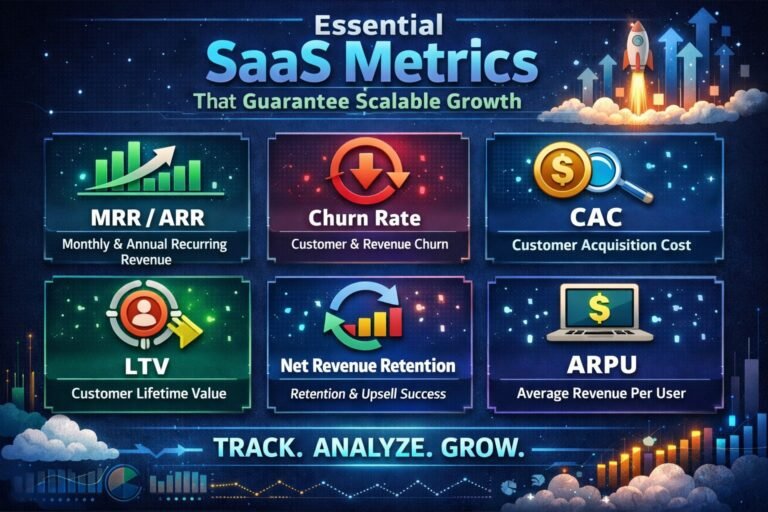
Measuring the impact of customer intelligence strategies is essential for gauging their effectiveness and optimizing future efforts. Organizations should establish key performance indicators (KPIs) that align with their customer intelligence objectives. Metrics such as Net Promoter Score (NPS), customer retention rates, and customer lifetime value (CLV) can provide quantifiable data on the success of customer intelligence initiatives.
Additionally, regular review cycles should be implemented to assess the performance of customer intelligence strategies. Monthly or quarterly reviews can help teams identify which insights and actions are yielding positive results and which areas require further attention. By maintaining an agile approach, organizations can adapt their strategies based on performance data, ensuring that they continue to meet customer needs effectively.
Moreover, qualitative feedback through customer interviews and focus groups can complement quantitative metrics. Understanding the ‘why’ behind the numbers can provide invaluable context and help organizations refine their customer intelligence efforts. Together, quantitative and qualitative data can create a comprehensive understanding of the impact of customer intelligence strategies, guiding future decision-making and investments.
Future Trends in SaaS Customer Intelligence Strategies
As the SaaS landscape continues to evolve, several future trends are emerging in the realm of insight-led customer intelligence. One significant trend is the increasing use of artificial intelligence (AI) and machine learning to analyze customer data. These technologies enhance predictive analytics capabilities, allowing organizations to anticipate customer behaviors and preferences with greater accuracy. AI-driven insights can help SaaS companies personalize user experiences and identify opportunities for product improvements.
Another trend is the growing emphasis on real-time data analytics. In an era where customer expectations are higher than ever, the ability to access and act on customer insights in real time will be crucial. Tools that provide real-time analytics can enable organizations to respond promptly to customer feedback and adapt their strategies accordingly, enhancing the overall user experience.
Lastly, the integration of customer intelligence with broader business strategies is becoming increasingly important. Organizations are recognizing that customer insights should not only inform product development but also influence marketing, sales, and customer support strategies. This holistic approach ensures that customer intelligence is embedded across all facets of the organization, driving a unified strategy that aligns with customer needs and market dynamics.
Conclusion – SaaS Customer Intelligence Strategies
SaaS Customer Intelligence Strategies are no longer optional; they are essential for organizations looking to thrive in a competitive market. By investing in customer intelligence tools and fostering a culture centered around customer insights, SaaS companies can enhance their offerings, improve customer experiences, and drive sustainable growth. The future of customer intelligence promises exciting advancements, making it an area of focus for any forward-thinking organization.
Hashtags: #SaaS #CustomerIntelligence #DataDriven #BusinessStrategy #CustomerExperience
Explore SaaS Customer Intelligence Strategies at Binary Semantics