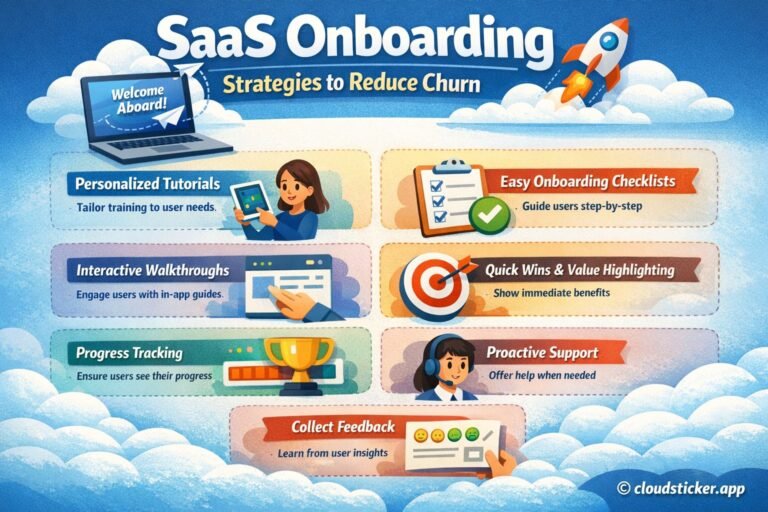

Profit-Centric SaaS Revenue Strategies That Scale Fast
In a rapidly evolving digital landscape, Software as a Service (SaaS) companies are continually seeking ways to scale their revenue streams. Unlike traditional business models, SaaS companies possess unique opportunities and challenges when it comes to profitability. This article delves into profit-centric revenue strategies that can facilitate swift scaling while ensuring long-term sustainability. We will explore various elements, including the importance of profit focus, effective pricing models, customer lifetime value, and data analytics.
Understanding Profit-Centric SaaS Revenue Strategies
Profit-centric SaaS revenue strategies prioritize not just growth but the profitability that accompanies it. At the core of these strategies lies a fundamental shift in focus from merely acquiring customers to ensuring that those customers generate sustainable revenue. This encompasses everything from pricing strategies to customer relationship management. By embedding profitability into the business model, companies create a more resilient framework that can withstand market fluctuations.
To implement profit-centric strategies, SaaS companies must first evaluate their value proposition. Understanding what unique solutions they provide and how these solutions translate into value for customers is crucial. This value assessment can inform pricing models and ultimately enhance profit margins. Establishing a clear connection between what customers pay and the tangible benefits they receive helps foster a more engaged customer base willing to invest in premium features.
Additionally, profit-centric strategies necessitate a close examination of customer acquisition costs (CAC) and customer lifetime value (CLTV). By balancing these two metrics, businesses can optimize their marketing expenditures and ensure that the revenue generated from customers outweighs the costs incurred to acquire them. This careful calibration allows for more strategic investments in sales and marketing, enhancing overall profitability.
Why Focusing on Profit Drives Sustainable Growth
Focusing on profit creates a foundation for sustainable growth that can be particularly beneficial in the competitive SaaS landscape. While rapid growth often garners headlines, it can lead to vulnerabilities if not matched with a strong profit strategy. Companies with a profit focus are better equipped to navigate downturns and unforeseen market challenges. Their financial stability not only reassures stakeholders but also allows for continued investments in innovation and customer experience.
When profit is prioritized, the business shifts from a volume-based metric to a value-driven approach. This encourages companies to refine their offerings continually, ensuring they meet customer needs effectively. By aligning product development with profitability goals, SaaS firms can iterate on their products based on direct customer feedback. This adaptive approach fosters loyalty and minimizes churn, ultimately contributing to a more stable revenue stream.
Moreover, companies that harness profit-centric strategies often find it easier to attract investors. A clear demonstration of profitability potential can significantly enhance a company’s valuation and appeal to venture capitalists and private equity firms. Investors are more inclined to support SaaS businesses that show a pathway to sustainable profit growth rather than those solely focused on customer acquisition.
Key Metrics for Evaluating SaaS Revenue Performance
To effectively gauge the success of profit-centric strategies, SaaS companies need to track specific key performance indicators (KPIs). Metrics such as monthly recurring revenue (MRR), churn rate, and customer acquisition cost (CAC) are indispensable for understanding revenue performance. MRR provides a steady baseline of income, while churn rates indicate customer retention and satisfaction levels, crucial for profitability.
Another essential metric is the customer lifetime value (CLTV), which helps organizations assess the long-term profitability of their customer relationships. By contrasting CLTV with CAC, businesses can understand how much they should spend on acquiring new customers. Ideally, the CLTV should significantly exceed the CAC, allowing for a more aggressive approach in scaling the customer base while maintaining healthy profit margins.
Finally, tracking the current net revenue retention (NRR) rate can offer insights into the efficacy of upselling and cross-selling initiatives. A high NRR indicates that existing customers are not only staying but are also increasing their spending over time. By analyzing these metrics regularly, SaaS companies can make informed decisions, adapting their strategies to enhance profitability continuously.
Scalable Pricing Models That Maximize Profit Margins
Implementing scalable and flexible pricing models is crucial for SaaS companies looking to maximize profit margins. One effective approach is tiered pricing, where different pricing levels offer varying features and benefits. This model appeals to a broader audience, allowing entry-level customers to engage without committing too much while providing higher-tier packages for more advanced users willing to pay for premium features.
Another strategy is value-based pricing, which charges customers based on the perceived value of the service provided rather than the cost of production. This model requires a deep understanding of customer needs and the competitive landscape. By aligning prices with customer value, SaaS companies can maximize their revenue potential and significantly improve profit margins.
Usage-based pricing is also gaining traction among SaaS providers, especially for services that can vary greatly in usage levels. This approach allows customers to pay for what they actually use, creating a flexible model that can attract a diverse customer base. With usage-based pricing, companies can scale profitably as customer needs grow, ensuring that revenue increases in tandem with service utilization.
Leveraging Customer Lifetime Value for Revenue Growth
Understanding and leveraging customer lifetime value (CLTV) is paramount for SaaS companies aiming for rapid scaling. CLTV provides insight into the total revenue a business can expect from a single customer throughout their relationship. By focusing on increasing CLTV, companies can adopt strategies that extend customer engagement and boost revenue over time.
One effective way to enhance CLTV is through personalized marketing efforts. Tailoring communications and offers based on customer behavior and preferences can significantly increase engagement and retention rates. For instance, analyzing purchase patterns may reveal opportunities for targeted promotions, leading to increased upsells and renewals. This tailored approach not only fosters loyalty but also amplifies overall profitability.
Moreover, investing in customer success initiatives can directly impact CLTV. By providing exceptional support and resources, businesses can ensure customers derive maximum value from their products, leading to longer retention periods and higher spending. Implementing feedback loops and regular check-ins can further strengthen relationships, turning customers into advocates who are more likely to recommend the service to others.
Effective Upselling and Cross-Selling Techniques
Effective upselling and cross-selling techniques are vital for maximizing revenue in a profit-centric SaaS model. Upselling involves persuading customers to purchase a higher-tier plan or additional features, while cross-selling introduces complementary products or services. Both techniques can significantly boost average revenue per user (ARPU), enhancing overall profitability.
One successful approach to upselling is focusing on customer education. By showcasing the additional value and benefits of advanced features, businesses can encourage customers to upgrade. Webinars, tutorials, and personalized recommendations can effectively demonstrate how higher-tier plans align with the customer’s evolving needs. Providing customers with clear, tangible benefits of upgrading increases the likelihood of conversions.
Cross-selling can be optimized through data-driven insights. By analyzing customer behavior and purchasing patterns, SaaS companies can identify opportunities to introduce complementary products. For example, if a customer is utilizing a project management tool, offering an add-on for time tracking can enhance their workflow. Making these recommendations at strategic moments, such as during product usage or renewal periods, can increase engagement and drive additional revenue.
Harnessing Data Analytics for Strategic Decisions
In today’s data-driven landscape, leveraging analytics is critical for SaaS companies aspiring to scale quickly and profitably. By analyzing customer data, organizations can gain insights into user behavior, preferences, and trends, allowing them to make informed decisions that positively impact revenue. Centralizing this data enables businesses to track performance metrics effectively and adapt their strategies accordingly.
Utilizing predictive analytics can help companies forecast customer behavior, enabling them to identify potential churn risks early on. By proactively addressing these issues, SaaS businesses can implement retention strategies that maintain customer engagement and loyalty. For example, if analysis shows a decline in usage patterns, companies can reach out with targeted support or incentives to renew interest.
Moreover, A/B testing different pricing models or feature sets can inform decisions on how to optimize offerings for maximum profitability. By experimenting with various strategies and measuring their impacts, organizations can refine their approaches based on real-world results. Consistent use of data analytics not only informs immediate strategic decisions but also fosters a culture of continuous improvement within the organization.
Building a Resilient SaaS Business for Long-Term Success
To ensure long-term success, SaaS companies must build a resilient business model that can withstand market fluctuations and competitive pressures. This involves not only adopting profit-centric revenue strategies but also fostering a culture of adaptability and innovation. A resilient organization is one that is prepared to pivot in response to changing market dynamics while maintaining its commitment to profitability.
Investing in talent is instrumental in creating organizational resilience. A well-trained workforce equipped with the skills to adapt to new technologies and methodologies can significantly enhance operational efficiency and customer satisfaction. Additionally, fostering a culture of collaboration and open communication helps ensure that all team members are aligned with the company’s goals and can contribute to innovation.
Lastly, maintaining a strong focus on customer relationships is vital for resilience. Building a community around the product encourages engagement and loyalty, ensuring that customers remain invested in the brand. Regular feedback loops and engagement initiatives not only enhance the customer experience but also provide valuable insights that can inform future product developments and strategic pivots.
Profit-centric SaaS revenue strategies are essential for companies looking to scale quickly while ensuring long-term sustainability. By focusing on profitability rather than just growth, businesses can build resilient frameworks that adapt to market challenges and foster healthy customer relationships. With the right pricing models, effective upselling techniques, and a commitment to data-driven decision-making, SaaS organizations can achieve remarkable success. For further insights into SaaS growth strategies, check out
Hashtags: #SaaS #RevenueGrowth #ProfitStrategies #BusinessSuccess #CustomerEngagement