Intelligence-Led SaaS Growth Strategies That Deliver ROI
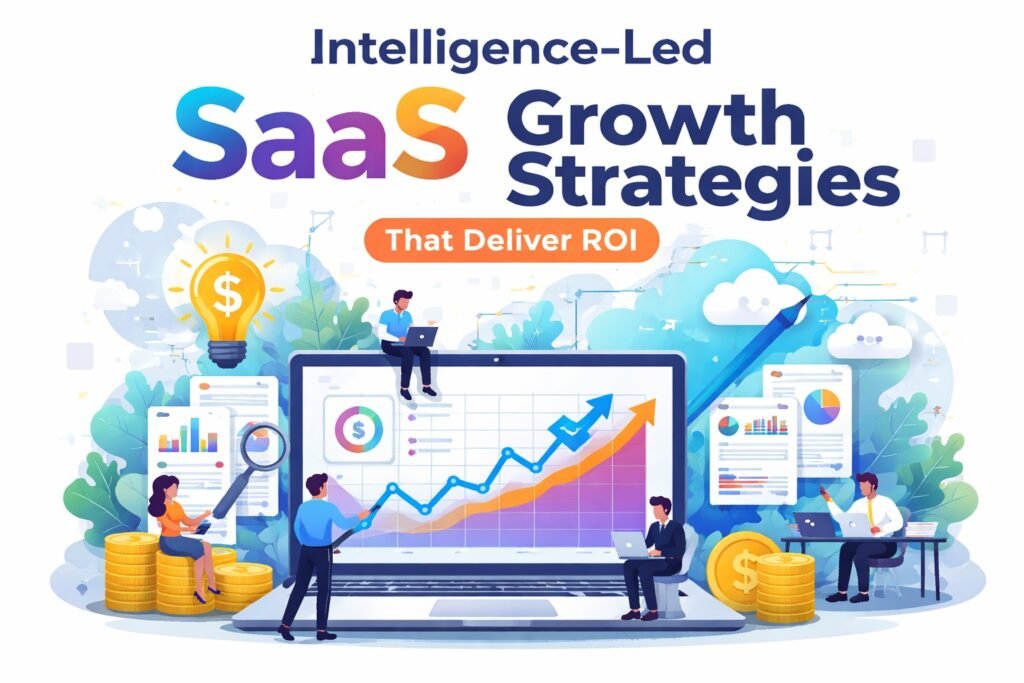
SaaS companies are under constant pressure to innovate and grow. Traditional growth strategies often fall short in delivering the desired return on investment (ROI). This is where intelligence-led growth strategies come into play. By leveraging data analytics and customer insights, organizations can optimize their operations and stay ahead of the competition. This article will explore Intelligence-Led SaaS Growth Strategies tailored for SaaS environments, focusing on components that drive success and deliver measurable ROI.
Key Insight: In reality, the difference between steady growth and stalled momentum often comes down to how effectively teams turn data into decisions that actually move the needle.
Understanding Intelligence-Led Growth in SaaS Environments
Intelligence-led growth is a strategic approach that integrates data-driven decision-making into the fabric of an organization. In the SaaS industry, this means utilizing analytics to understand customer behaviors, market trends, and operational efficiencies. By embedding intelligence into growth strategies, companies can develop targeted offerings that resonate with their audience. This is not merely about collecting data; it’s about transforming that data into actionable insights that can steer business decisions.
At its core, intelligence-led growth leverages advanced analytics and machine learning to forecast trends and understand customer needs on a granular level. This approach allows SaaS companies to be proactive rather than reactive, enabling them to anticipate market shifts and adjustments before they become critical issues. The right tools and algorithms empower organizations to harness vast amounts of data, effectively turning challenges into opportunities for growth.
Furthermore, intelligence-led growth fosters a culture of continuous improvement. When data drives decision-making, teams become more agile and responsive to change. This adaptability is vital in a SaaS environment, where customer preferences can shift rapidly. By adopting an intelligence-led approach, organizations not only enhance their growth capabilities but also create an environment that embraces innovation and customer-centricity.
Key Components of Successful SaaS Growth Strategies
A successful SaaS growth strategy is multifaceted and relies heavily on the interplay between technology, processes, and people. Key components include robust data analytics tools, a well-defined value proposition, and a customer-focused sales approach. Organizations must invest in the right technologies that enable them to gather and analyze data effectively. This investment often yields significant dividends in terms of customer retention and expansion.
Another critical component is the development of a compelling value proposition. SaaS companies must clearly articulate how their solutions address specific pain points for their target customers. This clarity not only attracts new customers but also enhances the overall customer experience. A compelling value proposition ensures that the sales team is aligned with marketing initiatives, creating a unified message that resonates with audiences across channels.
Additionally, a successful SaaS growth strategy requires a commitment to customer engagement and feedback. Understanding customer needs and expectations through surveys, interviews, and usage analytics allows organizations to refine their offerings continually. This approach creates a loop of feedback and improvement, aiding in customer retention and advocacy. Engaged customers are more likely to become brand ambassadors, driving organic growth through referrals and word-of-mouth.
Leveraging Data Analytics for Enhanced Decision Making
In the realm of intelligence-led growth, data analytics plays a pivotal role. Companies that effectively use data analytics can identify trends, predict customer behavior, and streamline their operations. This capability enables leaders to make informed decisions that align with both short-term objectives and long-term goals. Investing in sophisticated analytics tools can lead to more precise targeting in marketing campaigns, better resource allocation, and ultimately, increased ROI.
One effective strategy is to leverage predictive analytics, which uses historical data to forecast future outcomes. For example, by analyzing previous customer interactions, businesses can identify patterns in purchasing behavior and predict which segments are likely to convert. This knowledge enables tailored marketing efforts that maximize conversion rates and enhance customer satisfaction. Moreover, predictive analytics can also help in identifying churn risk, allowing organizations to take proactive measures to retain valuable customers.
However, it is crucial to understand that analytics should not be used in isolation. Collaborative decision-making, rooted in data insights, can yield more effective strategies. Cross-departmental collaboration fosters a culture where insights from marketing, sales, and customer service teams inform a holistic growth strategy. This unified approach enables organizations to leverage diverse perspectives and drive more substantial results.
Building a Customer-Centric SaaS Growth Framework
A customer-centric framework is essential for SaaS organizations seeking sustainable growth. This approach emphasizes the importance of understanding and addressing customer needs at every stage of the customer journey. By prioritizing customer experience, businesses can build lasting relationships that foster loyalty and advocacy. A customer-centric mindset not only drives satisfaction but can also significantly impact revenue growth.
To construct a customer-centric framework, organizations must begin with deep customer insights. This involves collecting data from various touchpoints, including customer service interactions, usage metrics, and feedback forms. By analyzing this data, companies can identify customer pain points and preferences, allowing them to tailor their offerings and enhance the overall experience. Personalization, in particular, has become a cornerstone of customer engagement in the SaaS industry.
Moreover, a customer-centric framework should incorporate ongoing customer feedback loops. Regularly engaging with customers through surveys and interviews can provide valuable insights into their evolving needs. This continuous feedback mechanism ensures that companies remain agile and adaptable, able to adjust their strategies in real-time. By integrating customer feedback into product updates and marketing initiatives, organizations can cultivate a loyal customer base that actively advocates for their brand.
Optimizing Marketing Efforts with Intelligence Insights
To maximize ROI, SaaS companies must optimize their marketing efforts by leveraging intelligence insights. Data-driven marketing enables organizations to identify the most effective channels and strategies to reach their target audience. By analyzing performance metrics, companies can refine their campaigns to ensure they resonate with potential customers, driving higher conversion rates.
One effective tactic is to segment the audience based on behavior and preferences. This segmentation allows for more targeted messaging, ensuring that marketing materials speak directly to the needs and interests of specific groups. For instance, a SaaS company may find that a particular demographic responds positively to educational content, while another group prefers case studies and testimonials. Tailoring content to these preferences enables organizations to engage their audience meaningfully.
Additionally, using A/B testing can provide valuable insights into what resonates with customers. By experimenting with different messages, images, or call-to-action buttons, organizations can determine which elements drive the highest engagement. This data-driven approach allows for continuous optimization of marketing strategies, ensuring that resources are allocated efficiently and effectively. Ultimately, optimizing marketing efforts through intelligence insights leads to improved ROI and sustainable growth.
Measuring ROI: Metrics That Matter in SaaS Growth
Measuring ROI in the SaaS industry requires a nuanced approach that goes beyond traditional financial metrics. While revenue growth is essential, organizations must also consider customer lifetime value (CLTV), customer acquisition cost (CAC), and churn rates. These metrics provide a more comprehensive understanding of how well a SaaS company is performing and where improvements can be made.
CLTV is a critical metric that indicates the total revenue expected from a customer over their entire relationship with the company. A high CLTV signifies that customers find value in the offerings and are likely to remain engaged. Conversely, CAC measures the cost associated with acquiring new customers. Balancing these two metrics is crucial for sustainable growth; organizations should aim to keep CAC low while maximizing CLTV.
Churn rate is another vital metric that reflects customer retention. High churn rates indicate that customers are leaving, which can significantly impact overall profitability. By analyzing churn, businesses can identify patterns and potential issues within their offerings, enabling them to make necessary adjustments. Ultimately, a thorough understanding of these metrics allows SaaS companies to measure ROI effectively and drive informed strategic decisions.
Case Studies: Successful Intelligence-Led SaaS Strategies
Examining successful case studies can provide valuable insights into how intelligence-led SaaS strategies can yield tangible results. One notable example is Salesforce, whose commitment to data-driven decision-making has propelled its growth. By leveraging customer data and analytics, Salesforce has been able to optimize its sales processes, leading to higher conversion rates and increased customer satisfaction.
Another case study is HubSpot, which has successfully integrated intelligence-led strategies into its marketing efforts. By utilizing robust analytics tools, HubSpot can segment its audience and personalize marketing campaigns. This approach has significantly improved customer engagement and retention rates, showcasing how intelligence-driven marketing can lead to increased ROI.
Finally, Zoom has emerged as a leader in the SaaS space by focusing on user experience and feedback. By actively seeking customer input and analyzing usage patterns, Zoom has continually refined its platform to better meet user needs. This intelligence-driven approach has not only driven growth but also fostered a loyal customer base, demonstrating the power of a customer-centric focus in the SaaS industry.
Future Trends in Intelligence-Led SaaS Growth Initiatives
As the SaaS landscape continues to evolve, several future trends are emerging in intelligence-led growth initiatives. One significant trend is the increasing use of artificial intelligence (AI) and machine learning to enhance data analysis capabilities. These technologies enable organizations to process vast amounts of data in real time, providing insights that can drive rapid decision-making and strategic adjustments.
Another trend is the growing importance of predictive analytics. As competition intensifies, SaaS companies must anticipate customer needs and market changes proactively. Predictive analytics can empower organizations to develop innovative solutions that address emerging challenges before they become issues, allowing them to stay ahead of competitors.
Lastly, the integration of customer feedback into product development will continue to shape the SaaS landscape. Companies that prioritize customer insights in their growth strategies will likely experience stronger engagement and loyalty. By embracing a culture of continuous improvement and responsiveness, SaaS organizations can position themselves for long-term success.
Conclusion – Intelligence-Led SaaS Growth Strategies
intelligence-led SaaS growth strategies are essential for organizations seeking to maximize ROI and remain competitive in a rapidly changing environment. By leveraging data analytics, building a customer-centric framework, and optimizing marketing efforts, companies can create sustainable growth pathways. As the SaaS landscape continues to evolve, embracing intelligence-led initiatives will be crucial for achieving lasting success. To explore more insights into SaaS growth strategies, visit Thales Group
Hashtags: #SaaSGrowth #DataAnalytics #CustomerCentric #MarketingStrategy #ROI