
Effective SaaS Customer Retention Checklist to Minimize Churn
Essential Strategies for SaaS Customer Retention Success
Customer retention is more than just a priority; it is a necessity for Software as a Service (SaaS) companies. It directly impacts revenue and profitability. When customers perceive ongoing value, they are less likely to churn. Knowing this, companies need to establish effective strategies to ensure that users stay engaged.
First, it starts with understanding your customer journey. Map out every touchpoint in the customer experience. Identify where customers may face challenges. Regular feedback surveys can be instrumental here. Utilize tools like Net Promoter Score (NPS) to gauge customer satisfaction. Analyzing this data will help identify trends or issues early.
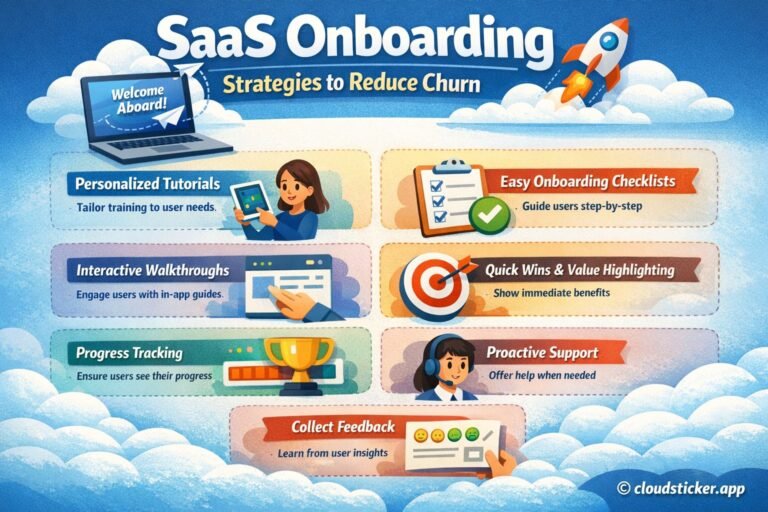
Next, provide exceptional onboarding experiences. A seamless onboarding process sets the tone for long-term engagement. Clearly articulate how your product addresses customer pain points. Make use of tutorials, webinars, or one-on-one sessions to guide new users. The more confident they feel in using your solution, the less likely they are to leave.
Another crucial aspect is ongoing customer support. Ensure that your support team is easily accessible. Offer multiple channels for assistance, including live chat and forums. Customers should feel valued and understood. This builds loyalty and trust. Regular follow-ups and check-ins can further enhance customer relationships.
Moreover, consider implementing a customer education program. Providing resources such as blogs, videos, and FAQs can empower users. When customers understand every feature and benefit, they are more engaged. Invest in creating a dedicated knowledge base where users can find answers quickly. This reduces frustration and helps keep churn rates low.
Comprehensive Checklist to Reduce SaaS Churn Effectively
To effectively minimize churn, a structured checklist can serve as a roadmap. This checklist helps ensure that essential components of customer retention are not overlooked. Here’s a detailed approach.
1. Understand Customer Needs
- Conduct regular surveys and feedback sessions.
- Use data analytics to track customer behavior.
- Identify trends that signify potential churn.
The first step in the checklist focuses on understanding customer needs. This involves actively engaging with customers and gathering insights about their experiences. Surveys, interviews, and behavior analytics can provide a clearer picture of what drives satisfaction and potential dissatisfaction.
2. Improve Onboarding Processes
- Develop an onboarding roadmap tailored to different customer segments.
- Include interactive tutorials and webinars.
- Ensure clarity in communication about product capabilities.
An effective onboarding process is vital for customer retention. Use a tailored approach based on customer segments. Providing interactive tutorials makes learning engaging. Communicating clearly about product capabilities ensures users know how to maximize value.
3. Enhance Customer Support
- Offer multiple support channels (e.g., chat, email, phone).
- Train support staff to be empathetic and knowledgeable.
- Use chatbots for quick query resolution.
Accessible customer support is essential for retaining subscribers. Offering various channels allows customers to choose their preferred method. Empathetic, knowledgeable staff can make a significant difference in customer satisfaction.
4. Implement Customer Education
- Create resources such as blogs, webinars, and FAQs.
- Offer training sessions on advanced features.
- Keep educational content updated and relevant.
Customer education empowers users to leverage all the features your product offers. Regular updates to educational content ensure relevance. This proactive approach leads to more robust engagement and reduces churn.
5. Monitor Usage Patterns
- Use analytics tools for tracking user engagement.
- Identify inactive users and reach out.
- Develop re-engagement campaigns to win them back.
Monitoring usage patterns helps identify users who may need extra attention. By tracking engagement, companies can proactively reach out to those at risk of churning. Re-engagement campaigns can incentivize users to return.
6. Build a Community
- Create forums or discussion groups for users.
- Encourage peer-to-peer support and engagement.
- Organize events or webinars to foster community.
Building a community around your product creates a sense of belonging. Users who feel part of a community are less likely to churn. Facilitating peer interactions can enrich the user experience significantly.
7. Regularly Analyze Churn Data
- Track churn metrics to identify underlying issues.
- Conduct exit interviews to understand reasons for leaving.
- Use data to refine strategies and programs.
Regularly analyzing churn data provides valuable insights. Understanding why customers leave helps refine retention strategies. Exit interviews gather qualitative data that can lead to actionable improvements.
8. Implement Incentive Programs
- Create loyalty programs for long-term customers.
- Offer discounts or features for referrals.
- Recognize and celebrate customer milestones.
Incentive programs encourage customer loyalty. Offering discounts or rewards for referrals can help in retaining existing customers. Recognizing milestones can also strengthen relationships and foster long-term commitment.
Strategic Framework for Customer Retention
Implementing a structured approach to customer retention is vital for SaaS companies. The “Retention Maturity Framework” breaks down five stages of customer retention. Each stage focuses on specific strategies aimed at improving retention rates.
Stage 1: Initial Assessment
Objective: Identify current retention rates and patterns.
- Conduct a thorough analysis of existing churn metrics.
- Engage with teams to understand current customer interactions.
- Develop a baseline for improvements.
The initial assessment sets the foundation for future actions. Understanding where you currently stand helps in developing targeted strategies.
Stage 2: Strategy Development
Objective: Create a customized retention strategy.
- Involve cross-functional teams to gather diverse insights.
- Identify key customer segments and tailor strategies accordingly.
- Align retention goals with overall business objectives.
Strategy development involves collaboration across departments. By aligning goals, organizations can ensure that every aspect of customer interaction promotes retention.
Stage 3: Implementation
Objective: Execute the retention strategy across all touchpoints.
- Assign responsibilities to team members.
- Monitor execution to ensure adherence to strategies.
- Utilize tools to automate and streamline processes.
Implementation is where the rubber meets the road. Assigning specific roles ensures accountability. Leveraging technology can help scale efforts effectively.
Stage 4: Monitoring and Adjustments
Objective: Continuously evaluate the effectiveness of retention strategies.
- Use analytics tools to track key performance indicators (KPIs).
- Gather feedback from customers and teams regularly.
- Adjust strategies based on performance data.
Monitoring provides insights into what works and what doesn’t. Regular adjustments ensure that strategies remain relevant and effective over time.
Stage 5: Review and Optimize
Objective: Conduct a thorough review of retention efforts.
- Assess the overall impact of retention strategies on revenue.
- Identify lessons learned and areas for improvement.
- Refine strategies based on comprehensive analysis.
The final stage focuses on reflection and continuous improvement. Understanding what drives successful retention allows for ongoing optimization of strategies.
Executive FAQ
What is the impact of churn on TCO?
Churn significantly affects Total Cost of Ownership (TCO) in SaaS models. High churn leads to increased customer acquisition costs. Organizations must continuously invest in marketing to replace lost customers. This can inflate TCO, as expenses rise without corresponding revenue growth.
How can customer feedback reduce churn?
Customer feedback is instrumental in identifying pain points. Through regular surveys or direct communication, you can gather insights into user experience. Acting on this feedback fosters loyalty, as customers feel valued. This approach can directly lower churn rates.
What tools can help monitor customer engagement?
Multiple tools offer insights into customer engagement. Platforms like Mixpanel and Google Analytics can track user behavior. Customer relationship management (CRM) systems like Salesforce can help manage interactions. These tools provide data to refine retention strategies.
How do loyalty programs contribute to retention?
Loyalty programs incentivize continued engagement. They reward customers for their commitment and offer exclusive benefits. This fosters a sense of belonging, making customers less likely to churn. Such programs can significantly enhance customer lifetime value.
What are the signs of imminent churn?
Signs include decreased usage, negative support interactions, and feedback indicating dissatisfaction. Monitoring these indicators is crucial. Early identification allows for proactive measures to re-engage at-risk customers.
How does community building impact churn?
Creating a community fosters relationships among users. It encourages support and interaction, enhancing the overall experience. A strong community can act as a safety net, offering peer support that reduces the likelihood of churn.
What role does customer education play in retention?
Educating customers on product features maximizes their value perception. It reduces frustration due to lack of knowledge. Well-informed users are more likely to engage fully and remain loyal, thus lowering churn rates.
How can I evaluate the effectiveness of retention strategies?
Regularly track and analyze churn metrics. Use KPIs such as customer lifetime value (CLV) and retention rate to assess impact. Adjust strategies based on data insights to ensure continuous improvement.
Conclusion – Effective SaaS Customer Retention Checklist to Minimize Churn
Minimizing churn in SaaS requires a proactive approach. By implementing effective strategies, companies can significantly enhance customer retention. The comprehensive checklist serves as a vital resource for organizations. Prioritizing customer engagement, education, and support can lead to sustained loyalty. As you refine your retention strategies, remember that the customer experience is at the heart of success.