Powerful SaaS Lifecycle Marketing Strategies That Work
SaaS businesses face unique challenges and opportunities when it comes to marketing. As companies leverage the subscription model, understanding the intricacies of the SaaS lifecycle becomes crucial for developing effective marketing strategies. From acquisition to retention, each stage of the customer journey requires targeted efforts to ensure long-term success. This article delves into powerful SaaS lifecycle marketing strategies that resonate with today’s consumers and drive significant results.
Understanding the SaaS Lifecycle: An Overview for Marketers
The SaaS lifecycle is often divided into distinct stages: awareness, consideration, acquisition, onboarding, retention, and advocacy. Understanding these stages is essential for marketers, as each phase presents unique challenges and opportunities. In the awareness stage, potential customers first learn about your product, requiring a focus on effective branding and outreach. During consideration, customers evaluate your solution against competitors, making user testimonials and case studies crucial components in influencing their decisions.
Once prospects are engaged and have made a decision to purchase, the acquisition stage kicks in. This is where lead conversion strategies come into play, such as offering free trials or limited-time discounts. Following acquisition, the onboarding process begins, which is critical for ensuring that customers quickly realize the value of your product. This stage can significantly impact customer satisfaction and, ultimately, retention rates.
Finally, retention and advocacy are about building long-term relationships with customers, encouraging them to not just keep using your product but to recommend it to others. Fostering a community around your brand and maintaining open lines of communication can turn satisfied customers into brand advocates. Marketers must remain agile and data-driven to navigate the complexities of these stages effectively.
Effective Onboarding: Transforming New Users Into Loyal Customers
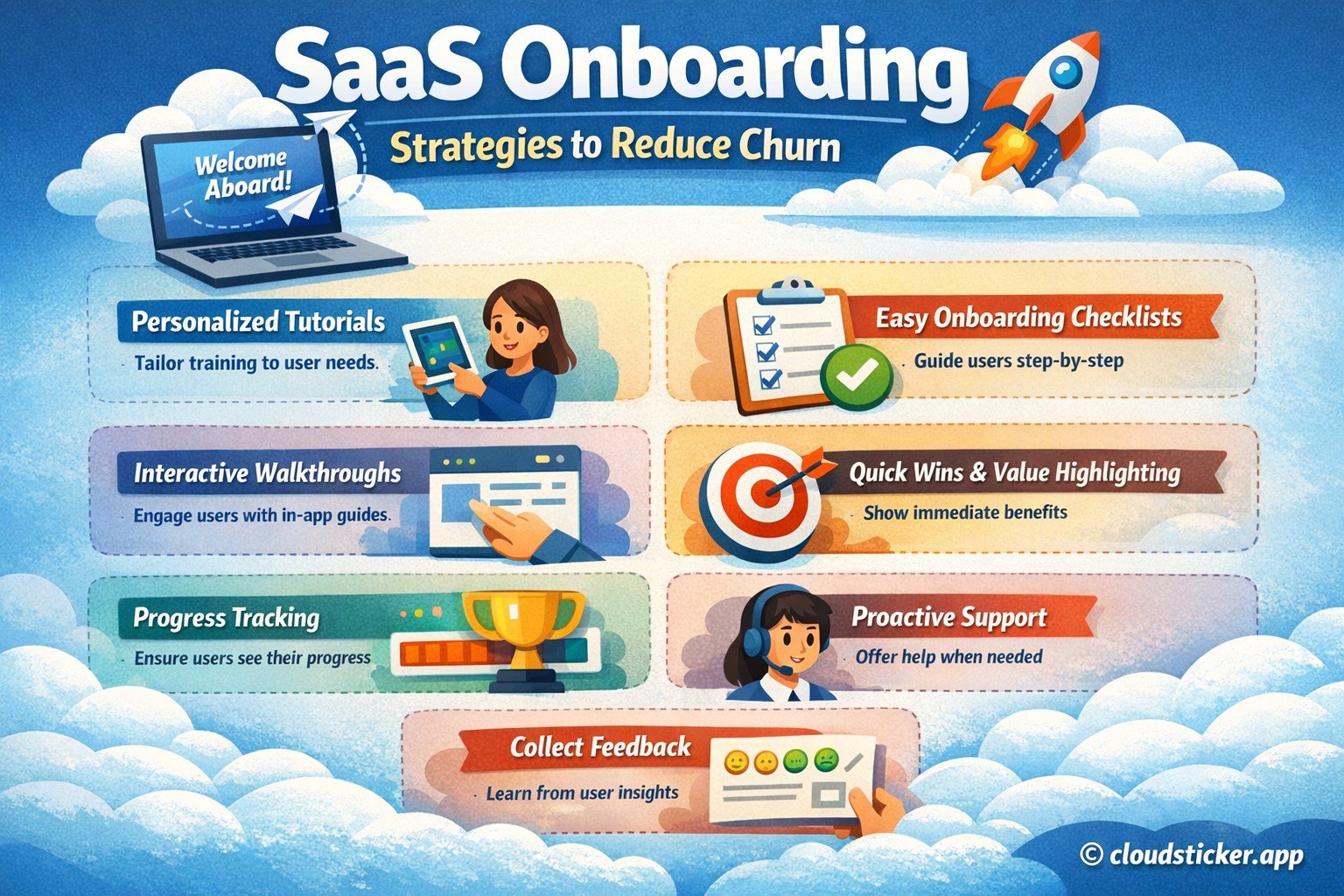
Onboarding is arguably one of the most critical stages in the SaaS lifecycle. A seamless onboarding process ensures that new users understand how to use your product effectively, thereby increasing their likelihood of retaining it long-term. Successful onboarding involves several elements, such as personalized welcome messages, guided tutorials, and easy access to customer support. These features can make the transition smoother for new users, ensuring they don’t feel lost or overwhelmed.
A common approach is to implement a step-by-step onboarding checklist that guides users through essential features. This not only helps in breaking down complex functionalities but also ensures that users engage with core aspects of the product early on. Tracking user progress through the onboarding process can provide insights into what’s working and what isn’t, allowing you to make adjustments in real-time.
Moreover, integrating feedback mechanisms during onboarding can yield valuable insights. Asking users about their experience can help identify pain points, enabling you to improve the process continuously. By investing in effective onboarding strategies, you can significantly increase user activation rates and foster a loyal customer base that not only uses your product but advocates for it.
Retention Strategies: Keeping Customers Engaged Long-Term
Retaining customers in a SaaS environment is a multifaceted challenge that requires ongoing effort and strategy. One effective retention strategy is to maintain regular communication with customers through newsletters, product updates, and personalized offers. This helps keep your brand top-of-mind and encourages ongoing engagement. Furthermore, utilizing CRM (Customer Relationship Management) tools can help you segment your audience based on their behavior, allowing for more targeted communication.
Implementing loyalty programs or incentives for long-term subscribers can also significantly enhance customer retention. Offering discounts, exclusive access to new features, or even loyalty points for engagement can foster a sense of belonging among customers. Additionally, running periodic engagement surveys can help you gauge customer satisfaction and address any emerging issues before they escalate.
Another critical aspect of retention is providing exceptional customer support. Offering multiple channels for support, such as live chat, email, and knowledge bases, ensures that users can easily resolve any issues they encounter. This level of care not only addresses problems promptly but also builds trust and confidence in your brand, which are vital for long-term customer relationships.
Utilizing Data Analytics to Drive Marketing Decisions
Data analytics has revolutionized the way SaaS businesses approach marketing. By leveraging data, companies can make informed decisions that enhance the customer experience and drive growth. One of the most effective ways to use analytics is through tracking customer behavior across the SaaS lifecycle. Understanding how users interact with your product can unveil patterns and insights that inform decision-making.
For instance, analyzing user engagement metrics, such as session duration and feature utilization, can help identify which areas of the product are most valuable to customers. This information can, in turn, guide your marketing campaigns and messaging. If certain features are underutilized, targeted educational content or tutorials can be created to demonstrate their value, enhancing the overall user experience.
Additionally, predictive analytics can help forecast customer behavior, enabling you to proactively address potential churn. By identifying indicators that suggest a customer may be at risk of leaving, you can implement tailored retention strategies to re-engage them. The power of data analytics lies in its ability to provide a real-time understanding of customer needs, enabling your marketing efforts to be more agile and responsive.
Personalization Techniques for Targeted Customer Outreach
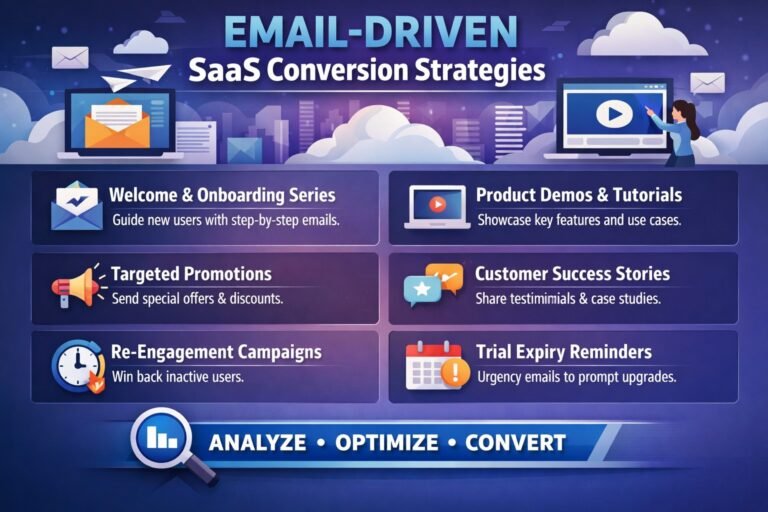
Personalization is no longer just a nice-to-have; it has become a necessity in the SaaS marketing landscape. Tailoring your outreach efforts based on user behavior and preferences can significantly increase engagement and conversion rates. Implementing personalized email campaigns based on user activity, such as abandoned carts or feature engagement, can nurture prospects through the sales funnel more effectively.
Another effective personalization technique involves segmenting your audience based on demographics, behavior, or subscription plans. This allows you to craft messages that resonate with specific segments, enhancing the relevance of your communication. For example, enterprise clients may require different messaging compared to small businesses, and catering to these unique needs can create a more impactful connection.
Utilizing AI-driven tools can further facilitate personalization efforts. These tools can analyze vast amounts of data to generate insights that can help marketers deliver the right message at the right time. By leveraging personalization in your marketing strategy, you can foster deeper relationships with customers, leading to higher retention rates and increased customer lifetime value.
Automating Marketing Campaigns for Maximum Efficiency
Automation has become a cornerstone of modern SaaS marketing strategies. Implementing automation tools can streamline repetitive tasks, allowing your marketing team to focus on high-level strategy and creative initiatives. For instance, automating email campaigns can ensure timely communication with leads and customers based on their actions, such as nurturing leads who have signed up for a trial but have not yet converted.
Additionally, using marketing automation platforms can help you track customer interactions and trigger personalized campaigns based on behavior. This enables a more effective lead nurturing process, as automated follow-ups can be tailored to the specific needs and interests of potential customers.
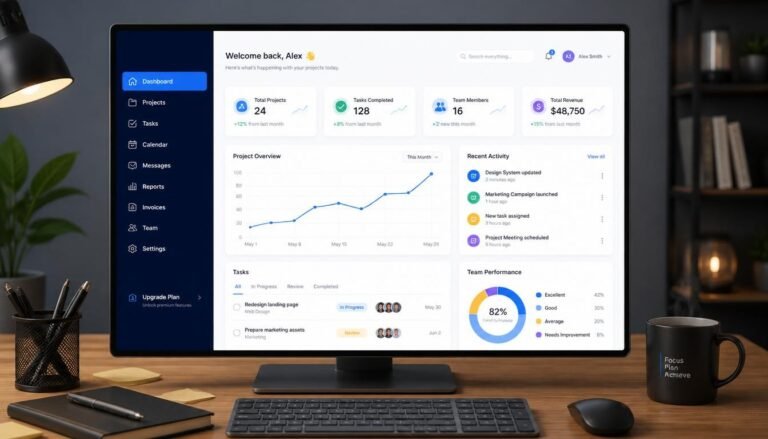
Moreover, automating reporting processes can save valuable time and resources. By setting up dashboards that provide real-time analytics on campaign performance, your team can quickly identify what’s working and what needs adjustment. This level of efficiency not only enhances productivity but also allows for rapid iteration and optimization of marketing strategies, ultimately driving better results.
Measuring Success: Key Metrics for SaaS Marketing Strategies
Understanding which metrics to track is essential for evaluating the effectiveness of your SaaS marketing strategies. Key Performance Indicators (KPIs) such as Customer Acquisition Cost (CAC), Customer Lifetime Value (CLV), and Net Promoter Score (NPS) provide valuable insights into the health of your marketing efforts. These metrics can help you assess the efficiency of your customer acquisition strategies and the long-term viability of customer relationships.
CAC measures how much it costs to acquire a new customer, providing insight into the effectiveness of your marketing spend. While low CAC is desirable, it is essential to balance this with CLV, which measures the total revenue a customer is expected to generate throughout their relationship with your brand. This metric helps you understand whether your acquisition costs are justified and sustainable in the long run.
Finally, NPS is a critical metric for gauging customer satisfaction and loyalty. By regularly surveying customers to understand their likelihood of recommending your product, you can gain insights into potential areas for improvement. Measuring these key metrics provides a solid foundation for data-driven marketing decisions that can enhance the overall effectiveness of your SaaS marketing strategy.
Adapting Your Approach: Evolving with Customer Needs and Trends
The SaaS landscape is constantly evolving, and marketers must be prepared to adapt their strategies in response to changing customer needs and market trends. Regularly reviewing your marketing approach and gathering feedback from customers can help ensure that your strategies remain relevant and effective. This involves staying attuned to industry developments, technological advancements, and shifts in consumer behavior.
Engaging with customers through surveys, focus groups, or even social media can provide invaluable insights into their evolving needs. This information not only informs product development but also helps shape your marketing messaging. For instance, as remote work becomes more prevalent, emphasizing features that facilitate collaboration may resonate more strongly with your audience.
Moreover, investing in ongoing training and development for your marketing team can enhance their ability to adapt to changing trends. Encouraging a culture of experimentation and innovation can lead to new ideas and strategies that keep your brand at the forefront of the industry. In a dynamic market, being agile and responsive to change is vital for sustaining competitive advantage.
Conclusion – SaaS lifecycle marketing strategies
effective SaaS lifecycle marketing strategies are essential for driving customer engagement and long-term retention. From understanding the intricacies of the SaaS lifecycle to leveraging data analytics and personalization techniques, adopting a holistic approach can yield significant results. By continually adapting to customer needs and industry trends, your organization can remain competitive and thrive in the ever-evolving SaaS landscape.
Hashtags: #SaaS #MarketingStrategies #CustomerRetention #DataAnalytics #Personalization