Mastering SaaS Growth: Your Guide to Upselling and Cross-Selling
Mastering SaaS growth in the Software as a Service sector requires a deep understanding of upselling and cross-selling strategies. As customer acquisition costs rise, focusing on existing clients becomes crucial. This article dives into the essential techniques and frameworks that enable businesses to maximize revenue through effective upselling and cross-selling.
Unlocking SaaS Expansion Revenue: Upselling Essentials
In the SaaS arena, upselling is a powerful strategy to enhance customer lifetime value (CLV). Upselling involves encouraging customers to purchase a higher-tier version of a service or add features that increase their subscription’s value. This approach typically results in higher profit margins compared to acquiring new customers.
Understanding your customer’s pain points is key to successful upselling. A well-timed, relevant suggestion can resonate with the user’s needs. For instance, if a customer frequently exceeds their data limit, recommending a premium plan with enhanced features can seem not just beneficial but necessary. A personalized approach enhances customer satisfaction while driving revenue growth.
To implement an effective upselling strategy, consider leveraging customer data analytics. Monitoring user behavior can provide insights into when and how to pitch an upsell. For example, if engagement metrics show a user frequently utilizes a specific feature, targeting them with an upgrade that enhances that feature can yield positive results. Use A/B testing to refine your upsell approach, measuring which strategies resonate best with your audience.
Strategic Cross-Selling Techniques for SaaS Success
Cross-selling, on the other hand, focuses on offering complementary services or features. This strategy is vital for increasing both sales and customer engagement. By bundling products or services, companies can create a more comprehensive solution that meets various customer needs.
A successful cross-selling strategy starts with customer segmentation. Classifying users based on their behaviors, preferences, and usage patterns allows for tailored recommendations. For instance, if a customer uses a project management tool, suggesting a time-tracking extension can enhance their productivity while providing an additional revenue stream for the company.
Effective communication is essential when cross-selling. Educating customers on how additional products can solve their problems fosters an environment of trust. Consider creating dedicated onboarding sessions or webinars that showcase the full ecosystem of your offerings. This can demonstrate how interconnected your services are, prompting users to consider additional purchases.
The SaaS Upsell Maturity Framework
To effectively implement upselling within your organization, consider developing a SaaS Upsell Maturity Framework. This model can guide your efforts from initial implementation to advanced strategies. The framework consists of five stages: Awareness, Engagement, Conversion, Retention, and Advocacy.
In the Awareness stage, educate your teams about the potential of upselling. This includes identifying features that can be upsold and understanding customer pain points. During the Engagement phase, focus on creating targeted content that highlights these features. Promotional emails or in-app notifications can be effective methods.
As you move into the Conversion phase, establish clear metrics for success. Track the effectiveness of your upsell campaigns and iterate based on feedback. In the Retention stage, focus on maintaining customer satisfaction post-upsell. Finally, during the Advocacy stage, empower satisfied customers to become your brand ambassadors, encouraging referrals and additional sales.
Understanding Customer Needs for Upsell Success
Understanding customer needs is crucial for effective upselling. Your team should prioritize regular communication with customers to gauge satisfaction and identify additional needs. This can be achieved through surveys, feedback forms, or direct outreach.
Utilizing Customer Relationship Management (CRM) tools can also aid in tracking interactions and pinpointing when to introduce upselling options. The data gathered can inform your team on optimal timing and messaging for upsell opportunities.
Additionally, regular training sessions for sales and support teams can sharpen their upselling skills. Equip them with the right knowledge about product features and customer success stories. This knowledge enables them to confidently recommend upgrades, thus increasing conversion rates.
Data-Driven Insights for Cross-Selling Strategies
Data analytics play a pivotal role in refining cross-selling efforts. By analyzing customer interactions and purchase histories, SaaS companies can identify patterns that indicate when a user might benefit from additional services.
For example, if data shows that users who utilize certain features often also benefit from an additional tool, you can create packages tailored to these insights. This targeted approach increases the likelihood of successful cross-selling.
Moreover, employ predictive analytics to forecast customer needs. By understanding what features or services are likely to appeal to specific segments, you can strategically position cross-selling offers. This proactive approach reduces the chance of overwhelming customers with unnecessary options.
Building a Strong Cross-Selling Culture
To foster a culture of effective cross-selling, integrate it into your organizational values. Encourage collaboration between teams, such as marketing and customer success, to ensure everyone understands the full suite of offerings.
Incorporate cross-selling metrics into performance reviews. Establish KPIs that track successful cross-sells and reward employees who excel in this area. Gamifying the process can also motivate teams to embrace cross-selling as a natural part of the customer engagement process.
Creating a centralized knowledge base that outlines cross-selling opportunities can serve as a valuable resource for your teams. This can include case studies, customer testimonials, and data insights. Such a repository empowers employees with the information they need to effectively cross-sell.
Implementation Checklist for Upselling and Cross-Selling
To ensure a successful implementation of upselling and cross-selling strategies, consider the following checklist:
- Customer Segmentation: Classify users based on behavior and needs.
- Data Analytics: Use CRM tools to track customer interactions.
- Training Programs: Regularly educate teams about product offerings.
- Feedback Mechanisms: Implement ways to gather customer feedback consistently.
- Campaign Development: Create targeted marketing campaigns for upsells and cross-sells.
- Performance Tracking: Establish KPIs to measure success and refine strategies.
- Communication Strategy: Develop clear messaging for upselling and cross-selling efforts.
- Customer Education: Provide resources like webinars or guides.
Utilizing this checklist can streamline your approach, ensuring no critical steps are overlooked.
Executive FAQ
1. How does upselling impact total cost of ownership (TCO) for customers?
Upselling can lead to higher TCO if not managed correctly. However, if the upsell enhances efficiency or productivity, the benefits can outweigh the costs. Ensure that upsell options genuinely provide value to avoid increasing perceived TCO.
2. What are the risks associated with aggressive upselling tactics?
Aggressive upselling can alienate customers if they feel pressured. It may lead to churn if customers perceive the organization as focused solely on revenue. Balance is crucial; prioritize customer needs alongside sales targets.
3. How can SaaS companies maintain compliance while cross-selling?
Compliance can be managed through robust training on legal standards. Regular audits of marketing materials and sales processes ensure adherence to regulatory frameworks, safeguarding against potential legal challenges.
4. What are the implications of cross-selling on revenue recognition?
Cross-selling can complicate revenue recognition if multiple services are bundled. Ensure your accounting practices align with standards such as ASC 606, which governs how revenue should be recognized in multi-element arrangements.
5. How can technology enhance the upselling and cross-selling process?
Technology plays a pivotal role in automating and optimizing these strategies. CRM systems and data analytics tools can provide insights into customer behavior and preferences, enabling timely and relevant recommendations.
6. What are effective ways to train teams for upselling and cross-selling?
Training should be diverse, including role-playing scenarios, product knowledge sessions, and sales techniques. Regularly revisiting training materials keeps strategies fresh and relevant to current market conditions.
7. How do customer success initiatives impact upselling opportunities?
Customer success initiatives directly influence upselling by fostering relationships and demonstrating value. Satisfied customers are more likely to consider additional services, so investing in their success is crucial.
8. How can organizations measure the success of upselling and cross-selling strategies?
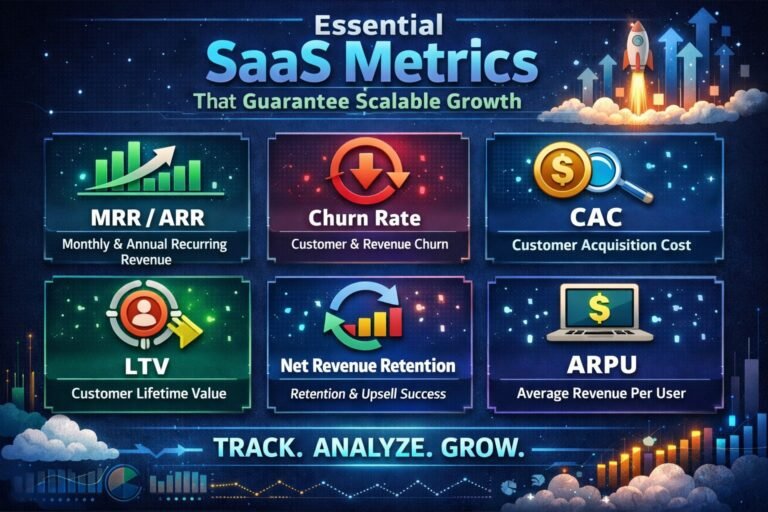
Success can be measured through specific metrics like customer retention rates, average revenue per user (ARPU), and conversion rates from upsell or cross-sell campaigns. Regularly assess these metrics to refine your strategies.
Conclusion – Mastering SaaS Growth
Mastering upselling and cross-selling can significantly impact revenue in the SaaS industry. By focusing on customer needs and employing strategic frameworks, organizations can create valuable opportunities for growth. Continuous learning and adaptation are essential for long-term success in maximizing expansion revenue.