
Retention-Boosting SaaS Customer Success Systems
In the rapidly evolving landscape of Software as a Service (SaaS), customer success has emerged as a pivotal factor for retaining clients and driving long-term growth. A well-designed retention-boosting customer success system not only enhances user satisfaction but also fosters loyalty and engagement, which are crucial for sustaining a competitive edge. This article delves into the essential components and strategies for developing systems that effectively improve customer retention in a SaaS environment.
Understanding Customer Success in SaaS: A Key Driver
Customer success in the SaaS industry is centered around ensuring that users achieve their desired outcomes while utilizing your software. Unlike traditional support, which often reacts to problems, customer success is proactive, focusing on anticipating needs and addressing potential issues before they escalate. This strategic approach involves understanding customer goals and aligning them with the features and functionalities of the SaaS product. As such, organizations invest in customer success teams dedicated to nurturing relationships and creating value for users.
The importance of customer success is underscored by the shift towards subscription-based revenue models, where retaining existing customers is more cost-effective than acquiring new ones. Organizations that prioritize customer success often report lower churn rates, increased upselling opportunities, and enhanced customer lifetime value. By focusing on the overall experience rather than solely on product usage, companies can transform clients into advocates, driving referral business and increasing market share.
Moreover, with customer expectations continually rising, the need for personalized experiences has become paramount. Tailoring customer journeys based on user behavior, preferences, and feedback not only enhances satisfaction but also fosters loyalty. This understanding lays the foundation for building effective retention-boosting systems that can adapt to evolving customer needs and market trends.
Essential Features of Retention-Boosting Systems
Building an effective retention-boosting system requires incorporating features that facilitate seamless user interaction and engagement. One essential feature is the implementation of customer health scores. These scores provide a quantifiable measure of user engagement, satisfaction, and potential risk of churn. By monitoring this score regularly, organizations can identify at-risk customers and intervene proactively, offering tailored support or additional resources to enhance their experience.
Another critical feature is automated communication workflows. By deploying automated emails, notifications, and reminders, organizations can engage customers at various touchpoints throughout their journey. For instance, sending personalized onboarding emails to new users can significantly enhance their initial experience, while regular check-ins can help ensure ongoing satisfaction. These automated touchpoints not only streamline communication but also provide valuable insights into user behavior and preferences.
Finally, integrating a robust feedback mechanism is crucial for continuous improvement. Organizations should prioritize gathering customer input through surveys, interviews, and usage analytics to understand pain points and areas for enhancement. This feedback loop not only enables companies to adapt their offerings but also fosters a culture of open communication, where customers feel valued and heard, ultimately contributing to higher retention rates.
Strategies to Enhance Customer Engagement and Loyalty
To enhance customer engagement, organizations should consider implementing a tiered support system. By offering varying levels of support based on customer segments, companies can allocate resources effectively while ensuring that high-value clients receive the attention they deserve. This approach not only improves response times but also builds stronger relationships with customers who may require more personalized assistance.
Another strategy involves creating a community around the product. Online forums, user groups, and social media channels provide users with platforms to share ideas, best practices, and feedback. A sense of belonging fosters loyalty, as users feel connected not only to the brand but also to other customers. Engaging users in this manner can lead to valuable insights that inform product development and marketing strategies.
Additionally, building a rewards program can incentivize customer loyalty. By offering discounts, exclusive content, or early access to new features, organizations can motivate users to remain engaged and invested in the product. This strategy not only strengthens customer relationships but also encourages upselling and cross-selling opportunities, ultimately driving revenue growth.
Implementing Effective Onboarding for New Users
A well-structured onboarding process is critical for setting the tone of the customer relationship. Effective onboarding should encompass a comprehensive introduction to the product, its key features, and best practices for achieving success. This not only helps users understand how to use the software but also emphasizes how it can solve their specific pain points.
Utilizing interactive tutorials and guided walkthroughs during onboarding can enhance the user experience significantly. By allowing new customers to explore the software with hands-on guidance, organizations can reduce the learning curve and accelerate time-to-value. This immediate satisfaction can play a vital role in retaining users and minimizing churn, particularly in the early stages of engagement.
Moreover, providing ongoing resources during onboarding, such as video tutorials, FAQs, and access to a dedicated support team, can further enrich the experience. These resources empower users to take control of their learning journey, ensuring they feel supported as they navigate the software. A strong onboarding experience not only fosters loyalty but also sets the foundation for a long-term customer relationship.
Measuring Success: Key Metrics for Retention Systems
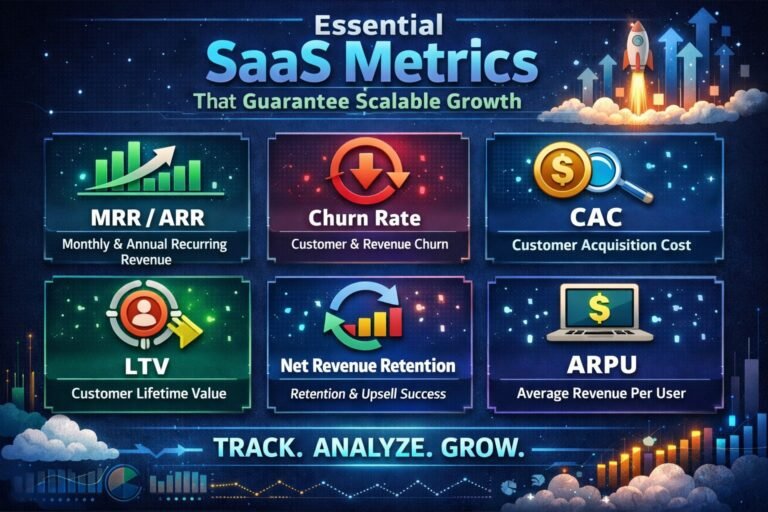
To gauge the effectiveness of retention-boosting systems, organizations must establish key metrics that provide insights into customer behavior and satisfaction. One of the most critical metrics is the Net Promoter Score (NPS), which measures customer loyalty and willingness to recommend the product to others. A high NPS indicates a strong customer relationship, while a low score can signal underlying issues that need to be addressed.
Churn rate is another vital metric that organizations should monitor closely. By calculating the percentage of customers who discontinue their subscription over a given period, companies can identify trends and patterns that may signal dissatisfaction. Understanding the reasons behind churn can inform targeted retention strategies to mitigate potential losses.
Lastly, Customer Lifetime Value (CLV) is a crucial metric that helps organizations understand the long-term value each customer brings. By analyzing CLV in conjunction with customer acquisition costs, companies can determine the most effective strategies for maximizing profitability. A positive CLV ratio indicates that customer retention efforts are yielding favorable returns, ensuring the sustainability and growth of the organization.
Leveraging Data Analytics for Improved Outcomes
In today’s data-driven landscape, leveraging analytics is essential for optimizing customer success strategies. By utilizing advanced analytics tools, organizations can delve deep into user behaviors, preferences, and engagement patterns. This intelligence enables them to create more targeted retention strategies, ultimately fostering stronger relationships and reducing churn rates.
Predictive analytics can play a pivotal role in identifying at-risk customers. By analyzing historical data, organizations can develop predictive models that flag potential churn before it happens. This proactive approach allows customer success teams to implement timely interventions, such as personalized outreach or tailored support initiatives, to retain at-risk clients.
Furthermore, segmenting customer data based on usage patterns, demographics, and feedback can help organizations tailor their offerings more effectively. By understanding diverse customer segments, companies can create customized experiences that resonate with users, ultimately boosting engagement and loyalty. This strategic use of data analytics not only enhances customer satisfaction but also drives revenue growth as organizations adapt to meet customer needs.
Building a Customer-Centric Culture in Your Organization
Creating a customer-centric culture starts at the leadership level, where a clear vision for prioritizing customer success must be established. Organizations should cultivate an environment where every employee, regardless of their role, understands the impact of their work on the customer experience. This holistic approach ensures that customer success becomes ingrained in the company’s ethos, driving a unified effort towards achieving retention goals.
Training and development programs focused on customer success can further reinforce this culture. Equipping employees with the skills and knowledge required to engage effectively with customers fosters a sense of ownership and accountability. By empowering teams to prioritize customer needs and feedback, organizations can create a workforce that is attuned to the importance of retention.
Additionally, recognizing and rewarding employees for their contributions to customer success can significantly enhance morale and motivation. Celebrating success stories and sharing positive customer feedback can help reinforce the value of building strong relationships with clients. This recognition not only boosts employee engagement but also contributes to a more positive customer experience, further bolstering retention efforts.
Future Trends in SaaS Customer Success Management
As the SaaS landscape continues to evolve, several trends are poised to shape the future of customer success management. One notable trend is the increasing emphasis on artificial intelligence (AI) and machine learning. By leveraging these technologies, organizations can automate processes, analyze customer data at scale, and derive insights that improve decision-making. AI-driven chatbots and virtual assistants can enhance support capabilities, ensuring customers receive timely assistance and guidance.
Another trend is the growing importance of customer advocacy programs. Companies are recognizing the value of turning satisfied customers into advocates who promote the brand within their networks. By creating referral programs, providing platforms for customers to share their success stories, and actively engaging with advocates, organizations can generate powerful word-of-mouth marketing that drives new customer acquisition.
Lastly, the integration of cross-functional collaboration between customer success, sales, marketing, and product teams is becoming increasingly vital. This collaborative approach ensures that all departments are aligned towards common goals, fostering a seamless customer experience. By breaking down silos and encouraging communication, organizations can create a more cohesive strategy for customer success, ultimately enhancing retention rates and driving long-term growth.
In conclusion, developing retention-boosting SaaS customer success systems requires a multifaceted approach that encompasses understanding customer needs, implementing effective onboarding, and leveraging data analytics. By fostering a customer-centric culture, organizations can enhance engagement and loyalty, ultimately driving revenue growth. As the SaaS landscape continues to evolve, staying ahead of emerging trends will be essential for maintaining a competitive edge and ensuring long-term success.
Tags: SaaS, customer success, retention strategies, customer engagement, onboarding, data analytics, customer loyalty, industry trends, business growth, customer-centric culture
Hashtags: #CustomerSuccess #SaaS #Retention #CustomerEngagement #BusinessGrowth