
Essential SaaS Hiring Checklist for Building High-Performance Teams
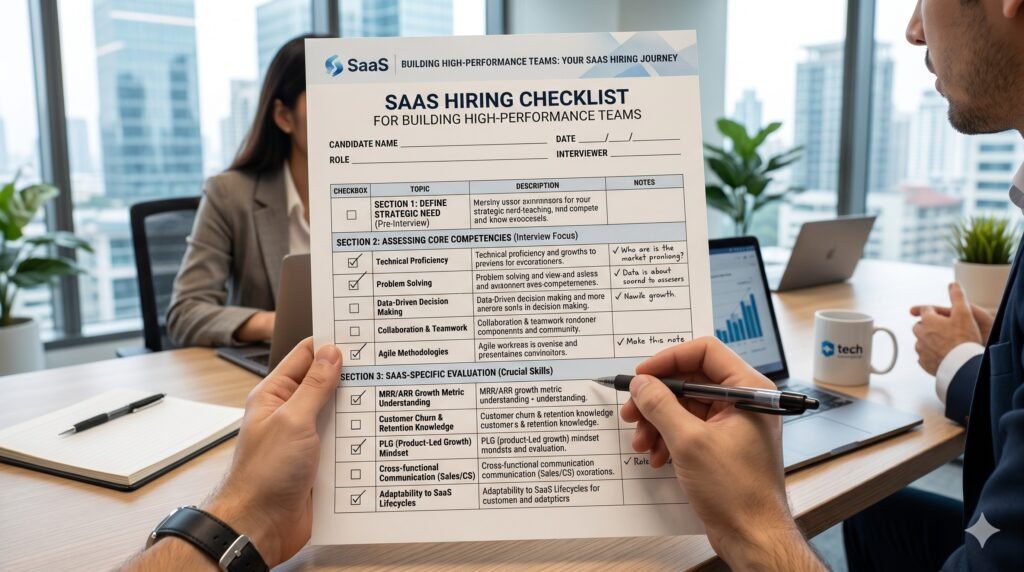
Building a high-performance team in the Software as a Service (SaaS) sector is not just a goal; it is a necessity for long-term success. As organizations increasingly rely on technology to drive growth and scalability, the demand for talented professionals has surged. Hiring the right individuals requires a structured approach that aligns with the unique challenges and opportunities of the SaaS landscape. This article presents a comprehensive SaaS Hiring Checklist tailored to help organizations attract and retain top-tier talent, ultimately fostering team performance and delivering substantial returns on investment (ROI).
Key Considerations for SaaS Hiring Success in Teams
Understanding SaaS Dynamics
SaaS companies operate in a fast-paced and complex environment. Understanding market trends is essential for hiring effectively. Talent must not only be skilled but also adaptable to changing landscapes. This means looking for candidates who possess a blend of technical expertise and business acumen.
Furthermore, the SaaS model emphasizes continuous delivery and customer feedback. Employees should be comfortable working in agile environments, where changes can happen rapidly. Hiring managers must therefore evaluate candidates for their ability to pivot and innovate in response to customer needs.
Lastly, SaaS businesses often operate on subscription models. This necessitates a focus on customer lifetime value (CLV) and retention strategies. Individuals who understand these metrics can significantly influence a company’s success. A solid grasp of customer-centric thinking is a must.
Assessing Cultural Fit
Cultural alignment plays a pivotal role in the overall success of a SaaS team. A candidate’s values and work ethic should resonate with the company’s mission. This ensures smoother collaboration and increases employee satisfaction.
Hiring managers need to recognize that technical skills can be taught, but core values and character often cannot. During the interview process, probing questions about past experiences can reveal a candidate’s alignment with the company culture.
Additionally, consider building a diverse workforce. A variety of perspectives enhances creativity and problem-solving capabilities. Embracing diversity can also improve employee retention rates. This is especially important in a competitive job market where attracting and keeping talent is essential.
Comprehensive Checklist for High-Performance SaaS Talent
Talent Acquisition Strategy
A solid talent acquisition strategy is crucial for attracting top-tier candidates. First, clearly define the roles and responsibilities required for each position. Developing detailed job descriptions helps in attracting the right talent.
Next, leverage multiple channels for sourcing candidates. Traditional job boards, social media, and professional networks all have their advantages. Engaging with potential candidates through various platforms can broaden your reach and diversify your talent pool.
Lastly, consider using recruitment technology. Applicant tracking systems (ATS) can streamline the hiring process, making it easier to manage candidates and improve communication. These tools can also help in maintaining a more organized and efficient recruitment strategy.
Interview Process Optimization
The interview process is a crucial element of effective hiring. It is essential to have a structured format that evaluates both technical skills and cultural fit. Use a combination of behavioral and situational questions to gauge how candidates approach challenges.
Incorporate practical assessments when feasible. For technical roles, this might mean coding tests or real-world problem-solving scenarios. For customer-facing roles, consider role-playing exercises. These assessments provide insight into a candidate’s ability to perform in the actual job environment.
Finally, ensure consistent feedback across interviewers. This can help eliminate biases and lead to more informed decisions. Capture insights from each interviewer and review them collectively to arrive at a consensus.
Benefits of Using a Structured Hiring Checklist
Risk Mitigation
A structured hiring checklist helps in identifying potential risks early in the recruitment process. By clearly defining must-have skills and cultural attributes, hiring managers can avoid costly mismatches.
This systematic approach also streamlines decision-making. It allows teams to compare candidates against established criteria, reducing the possibility of subjective bias.
Ultimately, minimizing the risk of bad hires contributes positively to the overall performance of a SaaS team. This enhances the likelihood of achieving business objectives and maintaining a sustainable competitive edge.
Enhanced Team Cohesiveness
Using a checklist fosters a more cohesive hiring process. It ensures that all stakeholders are on the same page regarding what to look for in candidates. This alignment is crucial for ensuring that new hires mesh well with existing team dynamics.
Additionally, a unified approach can lead to improved morale among current employees. When existing teams see that new hires fit the culture and enhance team capabilities, it reinforces a positive work environment.
In the SaaS industry, team cohesiveness can directly impact productivity and innovation. High-performing teams that collaborate effectively are more likely to drive successful outcomes and deliver superior products.
Implementing a SaaS Hiring Framework
Defining the Hiring Maturity Model
To successfully implement a SaaS hiring framework, organizations can benefit from a Hiring Maturity Model. This model categorizes the hiring process into distinct stages:
- Ad Hoc: Recruitment is unstructured and reactive.
- Defined: Clear roles and processes are established but inconsistently applied.
- Managed: Recruitment processes are standardized, with regular evaluations.
- Optimized: Continuous improvement is prioritized, focusing on data-driven hiring decisions.
Organizations should assess their current maturity level and identify areas for improvement. This can facilitate a more strategic approach to recruitment.
Continuous Improvement Cycle
A successful hiring strategy is not static; it requires ongoing evaluation and refinement. Regularly solicit feedback from team members and new hires. This can reveal insights into what works and what doesn’t in your hiring process.
Incorporate metrics to evaluate hiring outcomes. Common metrics include time-to-hire, candidate quality, and retention rates. Analyzing these data points allows organizations to make informed adjustments.
Lastly, stay informed on industry trends and best practices. The SaaS landscape is ever-evolving, and keeping abreast of changes can help organizations adapt their hiring strategies accordingly.
Executive FAQ – SaaS Hiring Checklist
How does SaaS talent impact TCO (Total Cost of Ownership)?
The quality of talent directly influences TCO. Skilled professionals tend to offer improved efficiencies and reduced errors. This can lower operational costs over time.
What are the key security governance considerations for SaaS hiring?
Hiring for security awareness is crucial. Candidates should understand compliance and security protocols relevant to your industry. This reduces risks associated with data breaches.
How can legacy integration challenges affect hiring?
Candidates with experience in legacy systems can mitigate integration challenges. Their expertise can streamline transitions and reduce associated costs.
What metrics should be used to evaluate candidate performance?
Focus on metrics like employee engagement, output quality, and customer satisfaction. These indicators provide valuable insight into performance post-hire.
How does cultural fit contribute to employee retention?
Cultural fit enhances job satisfaction and team dynamics. Employees who resonate with company values are more likely to stay long-term, reducing turnover costs.
What role does agile methodology play in hiring?
Understanding agile methodology can help candidates thrive in fast-paced environments. This skill set is often critical for SaaS roles that require adaptability and quick decision-making.
Conclusion – SaaS Hiring Checklist
Building high-performance teams in the SaaS sector requires a focused and strategic approach to hiring. By understanding the dynamics of the industry and implementing a comprehensive hiring checklist, organizations can significantly improve their talent acquisition efforts. An optimized interview process, cultural alignment, and a commitment to continuous improvement are vital components. By following these guidelines, companies not only mitigate risks but also create a robust workforce capable of driving innovation and achieving long-term success in a competitive market.
Explore a SaaS Hiring Guide by Zylo