
Proven SaaS Sales Enablement Tactics That Boost Conversions
In today’s competitive landscape, SaaS companies must leverage effective sales enablement tactics to enhance their conversion rates. As the software industry evolves, traditional sales methods often fall short, necessitating a more strategic approach. This article explores proven tactics that empower sales teams, streamline processes, and ultimately drive customer acquisition, ensuring that SaaS organizations not only meet but exceed their sales goals.
Proven SaaS Sales Enablement Tactics for Higher Conversions
Sales enablement is a multidimensional strategy that focuses on providing sales teams with the resources they need to effectively engage buyers. In the SaaS industry, where offerings can be complex and competitive, utilizing proven tactics can significantly boost conversion rates. One such tactic is aligning marketing and sales teams, fostering an environment where both departments share insights, goals, and customer feedback. By collaborating, they can create targeted campaigns that resonate with prospective customers, thereby enhancing the chances of conversion.
Another effective tactic involves nurturing leads through personalized content. Utilizing tools such as customer relationship management (CRM) systems, sales teams can segment their leads based on demographics, behavior, and engagement levels. This segmentation allows for tailored outreach, ensuring that prospective customers receive relevant information that addresses their specific pain points. By delivering personalized content, organizations can build trust and rapport with leads, increasing the likelihood of conversion.
Finally, equipping sales teams with interactive tools, such as demo videos or trial options, can significantly improve engagement. Prospective customers are more likely to convert when they can experience the product firsthand. This experiential approach not only showcases the product’s features but also demonstrates its value, making it easier for leads to envision how the software can solve their problems. By implementing these tactics, SaaS organizations can create a streamlined sales process that effectively converts leads into customers.
Understanding the Sales Enablement Landscape in SaaS
The sales enablement landscape in SaaS is unique, characterized by rapid technological advancements and evolving customer expectations. Understanding this landscape involves acknowledging the importance of data-driven decision-making. SaaS companies have access to vast amounts of data, from customer interactions to market trends. Utilizing this information allows sales teams to identify patterns, understand customer needs, and tailor their strategies accordingly. This data-centric approach not only enhances sales techniques but also fosters a culture of learning and improvement within the organization.
Moreover, the SaaS market demands a customer-centric approach to sales enablement. In an industry where buyers are often well-informed, sales teams must position themselves as trusted advisors rather than mere salespeople. This requires a deep understanding of customer pain points, preferences, and behaviors. By adopting a consultative selling approach, sales teams can guide potential customers through their decision-making journey, resulting in higher conversion rates and stronger customer relationships.
Lastly, continuous training and development form a crucial part of the sales enablement landscape. As SaaS products evolve, so too must the skill sets of sales teams. Organizations should prioritize ongoing training programs, focusing on both product knowledge and sales techniques. This commitment to professional development empowers teams to stay ahead of the curve, ensuring they are equipped to meet the ever-changing needs of the market.
Key Metrics to Measure Sales Enablement Success
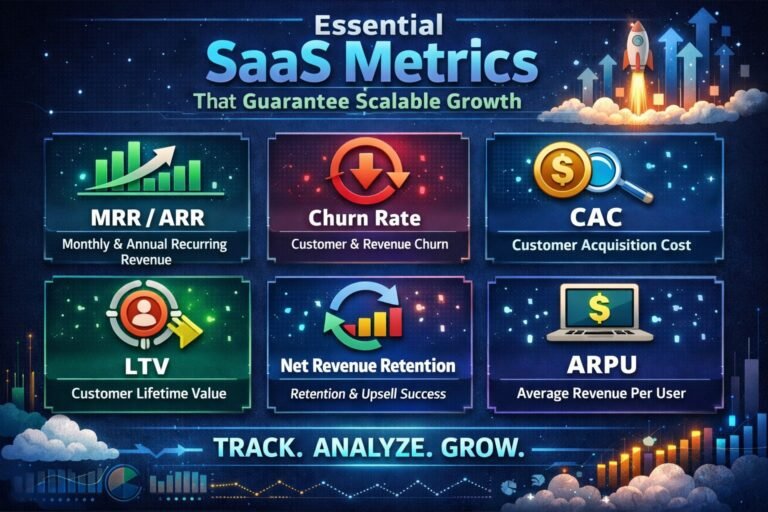
To effectively gauge the success of sales enablement initiatives, SaaS organizations must track a variety of key metrics. One of the most important metrics is conversion rate, which measures the percentage of leads that become paying customers. By analyzing conversion rates across different channels and campaigns, companies can identify what works and what doesn’t, allowing them to optimize their strategies for better results.
Another critical metric is the length of the sales cycle. A shorter sales cycle often indicates a more efficient sales process, where sales teams can effectively engage leads and close deals quicker. By examining the average time it takes to convert leads into customers, organizations can identify potential bottlenecks and areas for improvement. A streamlined sales cycle not only boosts conversions but also enhances overall revenue generation.
Finally, tracking customer feedback and satisfaction scores can provide valuable insights into the effectiveness of sales enablement efforts. High customer satisfaction scores often correlate with successful sales enablement strategies, as they indicate that sales teams are effectively addressing customer needs and concerns. By actively seeking and analyzing customer feedback, SaaS organizations can adapt their tactics and ensure they are providing value throughout the sales process.
Effective Training Programs to Enhance Sales Teams
To optimize the effectiveness of sales teams, SaaS companies must invest in comprehensive training programs. Effective training not only includes product knowledge but also emphasizes essential selling techniques. By incorporating role-playing exercises, mock presentations, and real-world scenarios, organizations can prepare their teams for various customer interactions. This hands-on approach helps sales representatives build confidence and develop the skills necessary to navigate complex sales conversations.
Moreover, ongoing training should be a staple in the sales enablement strategy. The SaaS landscape is always evolving, with new features and competitors emerging regularly. By implementing continuous learning initiatives, such as workshops, webinars, and access to industry resources, organizations can keep their teams updated on the latest trends and best practices. This commitment to professional development ensures that sales teams remain agile and equipped to respond to changing market dynamics.
Finally, organizations should consider using technology to enhance their training efforts. Learning management systems (LMS) can centralize training materials and facilitate easy access for sales teams. Additionally, incorporating interactive learning modules can further engage sales representatives and promote knowledge retention. By leveraging technology in training programs, SaaS companies can maximize the effectiveness of their sales enablement initiatives.
Utilizing Data Analytics for Informed Sales Strategies
In today’s data-driven world, leveraging analytics is crucial for shaping effective sales strategies. For SaaS companies, data analytics can provide deep insights into customer behavior, preferences, and pain points. By analyzing patterns in customer interactions, organizations can identify which leads are most likely to convert and tailor their outreach accordingly. This targeted approach can lead to higher conversion rates and a more efficient sales process.
Moreover, predictive analytics can enhance decision-making by forecasting future sales trends and customer needs. By utilizing historical data, organizations can identify potential opportunities and challenges, enabling them to proactively adapt their strategies. This proactive approach not only maximizes sales potential but also fosters a culture of agility within the organization.
Lastly, using analytics to track the performance of sales enablement initiatives is essential for continuous improvement. By regularly reviewing key performance indicators (KPIs), organizations can identify what’s working and where adjustments are needed. This data-driven approach empowers sales teams to refine their tactics, ultimately leading to sustainable growth and improved conversion rates.
Creating Compelling Sales Content That Converts
High-quality sales content is essential for engaging potential customers and driving conversions. In the SaaS industry, where products can be complex, it’s vital to create content that clearly articulates the value proposition. This includes developing case studies, whitepapers, and blog posts that showcase the product’s benefits and success stories. By highlighting real-world applications and customer testimonials, organizations can build credibility and trust with their audience.
Moreover, utilizing various content formats can enhance engagement and reach. Video content, infographics, and interactive demos can provide potential customers with a dynamic understanding of the product. These formats not only capture attention but also allow prospects to visualize how the software can address their specific needs. By diversifying content offerings, SaaS companies can appeal to different learning styles and preferences, increasing the chances of conversion.
Finally, optimizing sales content for SEO is crucial for driving traffic and visibility. By incorporating relevant keywords, utilizing engaging headlines, and ensuring that content is easily shareable, organizations can enhance their online presence. A strong SEO strategy not only attracts potential customers but also positions the company as an authority in the industry, further building trust and credibility.
Leveraging Technology Tools for Sales Efficiency
Technology plays a significant role in enhancing sales efficiency for SaaS organizations. Utilizing customer relationship management (CRM) systems can streamline processes by centralizing customer data, tracking interactions, and automating repetitive tasks. By having access to a comprehensive view of each lead, sales teams can prioritize their efforts and engage more effectively, ultimately leading to higher conversion rates.
Moreover, sales enablement tools can provide teams with the resources they need to deliver personalized experiences. Tools that allow for easy content sharing, collaboration, and training ensure that sales representatives have the right materials at their fingertips. This accessibility not only enhances efficiency but also empowers teams to respond to leads quickly and effectively, improving the overall customer experience.
Finally, integrating communication platforms can foster collaboration among sales teams. By utilizing tools like Slack or Microsoft Teams, organizations can streamline internal communication, share insights in real time, and collaborate on deals. This collaborative culture promotes knowledge sharing and ensures that everyone is aligned, ultimately leading to a more cohesive sales strategy and higher conversion rates.
Building a Collaborative Culture for Sales Success
Creating a collaborative culture within the sales organization is essential for long-term success. When sales and marketing teams work together effectively, they can align their goals and strategies, resulting in a more seamless customer experience. Encouraging open communication and regular feedback between departments fosters collaboration and ensures that everyone is on the same page regarding customer needs and expectations.
Furthermore, celebrating team achievements can strengthen collaboration and boost morale. Recognizing both individual and team successes reinforces the idea that everyone contributes to the overall goals of the organization. This culture of appreciation not only motivates sales representatives but also encourages them to work together to achieve collective success.
Finally, providing opportunities for cross-departmental collaboration can drive innovation and improvement. Creating forums for sharing insights between sales, marketing, and product development teams can lead to fresh ideas and solutions. By fostering collaboration across departments, SaaS organizations can create a culture of continuous improvement, ultimately driving higher conversion rates and enhanced customer satisfaction.
Proven SaaS sales enablement tactics are integral to boosting conversions in today’s competitive landscape. By adopting a data-driven, customer-centric approach and fostering collaboration among teams, organizations can create a more effective sales process. Investing in training, utilizing technology, and crafting compelling content will ultimately empower sales teams to excel, ensuring sustained growth and success in the SaaS market.
Hashtags: #SaaS #SalesEnablement #Conversions #SalesStrategies #CustomerEngagement