
Essential SaaS Startup Checklist for Successful Launch and Growth
Key Steps for Launching Your SaaS Startup Successfully
Launching a SaaS startup requires meticulous planning and execution that is where a SaaS Startup Checklist is essential. The first step is to validate your idea. This involves conducting market research to understand user needs and pain points. Engage potential customers through surveys or interviews to collect feedback on your concept. A well-defined value proposition distinguishes your offering from competitors.
Next, focus on building a Minimum Viable Product (MVP). An MVP allows you to test your idea with real users while minimizing initial costs. Identify core features that address customer needs without unnecessary complexity. Utilize agile development methodologies to ensure flexibility and adaptability throughout the development process. This approach also helps in gathering user feedback quickly, allowing for iterative improvements.
The final key step in launching your SaaS startup is to establish a go-to-market strategy. This involves identifying target audiences and crafting marketing messages that resonate with them. Leverage multiple channels like social media, content marketing, and email campaigns to reach potential customers. A well-thought-out pricing strategy is also essential. Consider subscription tiers that cater to various customer segments, maximizing accessibility while ensuring profitability.
Strategies to Ensure Sustainable Growth and Scalability
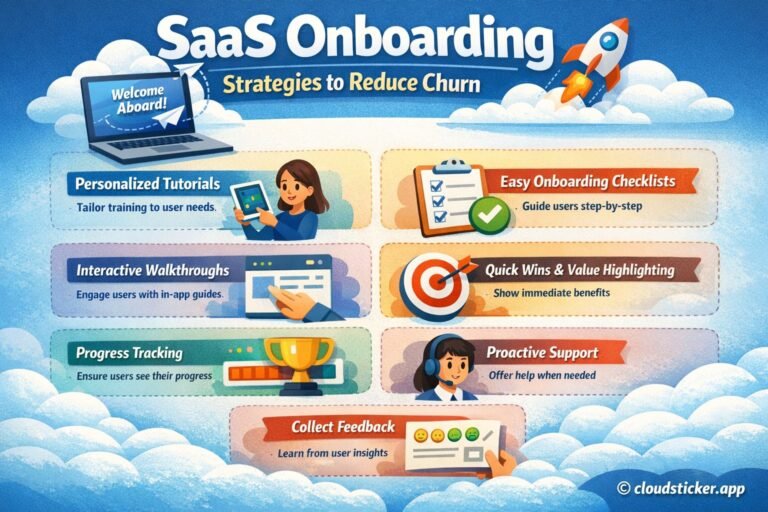
Once your SaaS startup is launched, the focus should shift to sustainable growth. A customer-centric approach is pivotal here. Regularly solicit feedback from users to identify areas for improvement and new features that could add value. This creates a cycle of continuous improvement, encouraging customer loyalty and referrals.
Invest in customer support as a strategy for scalability. Support is often a differentiator in the SaaS landscape. Implementing a multi-channel support system—like chat, email, and forums—enhances user experience. Consider employing data analytics to identify common issues and optimize your support processes. This ensures that customers feel valued and are more likely to stay.
Lastly, explore partnerships and integrations with other platforms. This can broaden your reach and enhance your product’s value. Collaborations can help to tap into new customer bases while adding features that your existing users will appreciate. An effective partnership strategy can significantly enhance your growth trajectory and operational capabilities.
Executive FAQ
1. What is the impact on Total Cost of Ownership (TCO)?
The Total Cost of Ownership includes all costs associated with acquiring, operating, and maintaining a SaaS product. Reducing TCO is vital for business sustainability. This can be achieved by optimizing resource allocation and leveraging automation tools. Efficient systems can lower operational costs and enhance productivity, ultimately leading to higher profitability.
2. How can we ensure robust security governance?
Security governance is crucial for gaining customer trust. Implement a comprehensive security framework that includes data encryption, access controls, and regular audits. Compliance with industry standards like ISO 27001 or GDPR can also bolster your credibility. Regular training for employees on security best practices is essential for maintaining a secure environment.
3. What are the risks associated with legacy integration?
Integrating with legacy systems can pose significant challenges, such as compatibility issues and increased costs. A detailed risk assessment is necessary to identify potential pitfalls. Consider adopting middleware solutions that can bridge gaps between new and old systems. This approach allows for a smoother transition while minimizing disruptions in operations.
4. How do we measure Net Revenue Retention (NRR)?
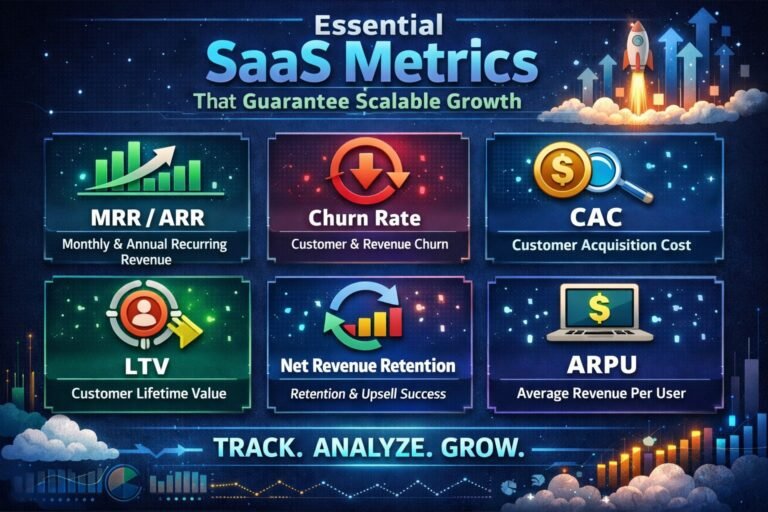
Net Revenue Retention measures the revenue generated from existing customers over a specific period. To calculate NRR, take the starting revenue from existing customers, add expansions, and subtract losses from churn and downgrades. Monitoring this metric helps in understanding customer satisfaction, guiding product enhancements, and focusing on retention strategies.
5. What strategies should we employ for effective cross-functional alignment?
Cross-functional alignment involves coordinating efforts across departments like sales, marketing, and product development. Establishing clear communication channels and shared goals can help. Regular inter-departmental meetings foster collaboration. Utilizing software tools for project management can keep everyone on the same page, enhancing overall efficiency.
6. How to optimize customer acquisition costs (CAC)?
Optimizing CAC involves analyzing marketing spend and conversion rates. Utilize data analytics to identify the most effective channels for reaching your target audience. A/B testing different marketing strategies can provide insights into what resonates best. Additionally, improving customer experience often leads to organic referrals, reducing CAC in the long run.
7. What frameworks can assist in strategic planning?
The Value Proposition Canvas and Business Model Canvas are excellent frameworks for strategic planning. They help in visualizing customer segments and ensuring alignment with business objectives. These tools also facilitate discussions and brainstorming sessions, leading to innovative solutions that can drive the business forward.
8. How can we prepare for scalability?
To prepare for scalability, design your SaaS architecture to handle increased loads. Utilize cloud infrastructure for flexible resource allocation. Regular performance monitoring is essential to identify bottlenecks. Implementing an iterative development process can allow for quick adjustments as the user base grows, ensuring consistent performance and reliability.
Launching and growing a SaaS startup is a complex yet rewarding journey. Following a structured checklist can guide you through the essential steps for success. From validating your idea through to implementing growth strategies, each phase has its unique challenges and opportunities. By focusing on customer needs and leveraging data-driven strategies, you can achieve sustainable growth and scalability. Prioritize planning, execution, and continuous improvement to ensure your SaaS startup thrives in a competitive landscape.