
Scalable SaaS Growth Architectures That Ensure Long-Term Success
In an era where Software as a Service (SaaS) has become the backbone of countless enterprises, ensuring long-term growth and adaptability is crucial. The contemporary business landscape demands solutions that are not only efficient but also scalable, allowing companies to meet evolving customer needs and market changes. This article delves into scalable SaaS growth architectures, exploring the essential principles, infrastructure design, automation, data management, customer-centric approaches, key metrics, and strategies for future-proofing a SaaS business.
Understanding Scalable SaaS Growth Architectures for Success
Scalability is the hallmark of successful SaaS applications. As businesses grow, so too do their operational demands; hence, the ability for a SaaS solution to handle increased workloads without compromising performance is paramount. Scalable architecture is built on a foundation that allows organizations to add resources seamlessly—whether that be computing power, storage, or user accounts—as demand fluctuates. This ensures that performance remains consistent, even during periods of high usage.
A crucial aspect of scalable architecture involves adopting a microservices approach. By breaking down applications into smaller, independent services, businesses can deploy updates and new features with minimal disruption. This allows for rapid experimentation and innovation, which is essential in today’s fast-paced market. Furthermore, microservices facilitate easier integration with third-party applications, enhancing overall functionality and user experience.
Additionally, cloud-based infrastructure plays a significant role in achieving scalability. Leading cloud providers like Amazon Web Services (AWS), Microsoft Azure, and Google Cloud Platform offer robust, flexible environments that adapt to changing demands. Their pay-as-you-go pricing models enable companies to scale their resources efficiently, ensuring that they only pay for what they use. This strategic alignment between the architecture and cloud capabilities is essential for fostering long-term success.
Key Principles Behind Effective SaaS Scalability Strategies
Effective scalability strategies are rooted in a combination of best practices and principles designed to align with business goals. First and foremost, adopting a customer-first mentality is critical. Understanding customer needs and usage patterns can help organizations predict growth trajectories and scale accordingly. Regular surveys, feedback mechanisms, and usage analytics provide valuable insights that inform future architecture decisions.
Another key principle is the emphasis on performance monitoring. Implementing robust monitoring tools allows organizations to track application performance in real-time, identifying bottlenecks and areas for improvement. Metrics such as server response time, user load times, and error rates are vital indicators of system health and can guide timely interventions to maintain performance standards.
Lastly, fostering a culture of continuous improvement within the organization is essential. Regularly reviewing and refining scaling strategies ensures that the SaaS architecture evolves in tandem with industry trends and customer expectations. Encouraging teams to share insights and lessons learned from scaling experiences can lead to innovative solutions and more efficient practices.
Designing a Flexible Infrastructure for Long-Term Growth
The design of a flexible infrastructure is pivotal in supporting scalable SaaS growth. At its core, this requires a cloud-native approach that leverages the latest technologies, such as containerization and orchestration. Tools like Docker and Kubernetes enable organizations to develop, deploy, and manage applications in a highly efficient manner. This not only streamlines operations but also enhances the ability to scale resources dynamically.
Moreover, modularity in infrastructure design allows for easier upgrades and maintenance. Organizations can introduce new features or adapt existing ones without overhauling the entire system. This flexibility is particularly beneficial in a competitive landscape, as it enables companies to respond quickly to market demands or customer feedback.
Additionally, incorporating redundancy and failover mechanisms into the infrastructure design ensures reliability. By having backup systems and automatic failover protocols in place, organizations can maintain uptime and performance even during failures. This proactive approach mitigates risks and enhances customer trust, cementing the company’s reputation as a reliable SaaS provider.
Leveraging Automation to Enhance SaaS Performance
Automation is a game-changer in enhancing SaaS performance and scalability. By automating routine tasks such as software updates, monitoring, and backups, organizations can allocate resources more effectively and focus on strategic growth initiatives. Automated testing, for example, ensures that new features are deployed without introducing bugs, thereby maintaining a high-quality user experience.
Additionally, implementing Infrastructure as Code (IaC) practices empowers teams to manage and provision computing resources through code. This not only accelerates deployment processes but also reduces the likelihood of human error, leading to more stable and reliable applications. Automating infrastructure management allows organizations to scale their operations swiftly and efficiently, aligning with customer demand.
Furthermore, leveraging automation tools for customer engagement can significantly enhance retention rates. Chatbots, for instance, can provide timely support and guidance, ensuring that users can navigate the SaaS platform effectively. By personalizing the customer experience through automated interactions, organizations can foster loyalty and build a stronger brand presence.
Best Practices for Data Management in SaaS Environments
Effective data management is vital in a SaaS environment, particularly as businesses scale. One of the foremost best practices involves implementing robust data governance policies. Establishing clear protocols for data security, privacy, and accessibility ensures compliance with regulations such as GDPR, thus safeguarding customer trust.
Data storage solutions also play a crucial role in scalability. Organizations should consider using multi-cloud architectures to diversify storage options, enhance redundancy, and optimize costs. By distributing data across various cloud providers, companies can avoid vendor lock-in and ensure that data is readily accessible, even during peak loads.
Additionally, employing advanced analytics tools can provide valuable insights into customer behavior and usage patterns. By analyzing data in real-time, organizations can make informed decisions that drive business growth. Predictive analytics, for instance, can help identify trends and forecast future demand, allowing companies to scale their resources proactively rather than reactively.
Building a Customer-Centric Approach for Retention
A customer-centric approach is integral to retaining users in a competitive SaaS market. Understanding the customer journey and tailoring solutions to meet their needs will significantly enhance user satisfaction. This can be achieved through regular feedback loops, where customers are encouraged to share their thoughts on features, usability, and overall experience.
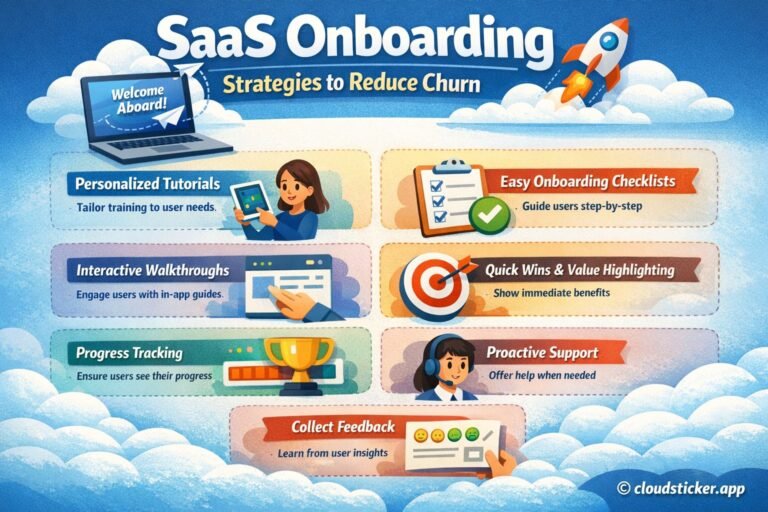
Moreover, personalized onboarding experiences can make a substantial difference in customer retention. Providing tailored resources and support during the onboarding phase ensures that users can derive maximum value from the SaaS solution. Utilizing customer success teams to guide new users through initial challenges helps foster a sense of community and support.
Finally, creating an ongoing relationship with customers through regular check-ins and updates can significantly improve retention rates. Keeping users informed about new features, enhancements, and best practices empowers them to utilize the SaaS platform to its fullest potential. By demonstrating a commitment to customer success, organizations can cultivate loyalty and long-lasting relationships.
Measuring Success: Metrics that Matter in SaaS Growth
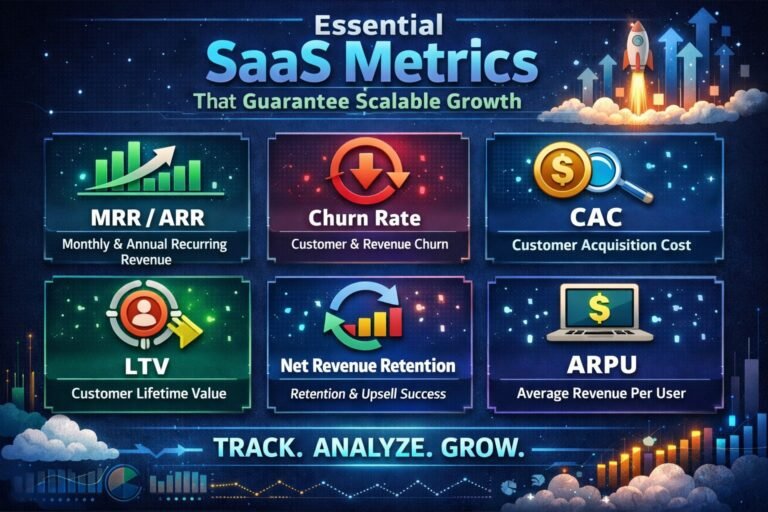
Establishing key performance indicators (KPIs) is crucial for measuring success in SaaS growth. Metrics such as Monthly Recurring Revenue (MRR), Customer Lifetime Value (CLV), and Churn Rate provide valuable insights into financial health and growth potential. Tracking these metrics routinely allows organizations to make data-driven decisions that align with their strategic goals.
Another important metric to consider is Customer Acquisition Cost (CAC). Understanding the costs associated with acquiring new customers helps organizations evaluate the effectiveness of their marketing strategies. A lower CAC coupled with a higher CLV indicates a healthy growth trajectory, suggesting that the business is scaling efficiently.
Additionally, customer engagement metrics such as Net Promoter Score (NPS) and customer satisfaction ratings offer insights into user experience and loyalty. By regularly measuring these indicators, organizations can identify areas for improvement and implement targeted initiatives to enhance customer satisfaction, thereby driving long-term success.
Future-Proofing Your SaaS Business Against Market Changes
As the SaaS landscape continues to evolve, future-proofing your business is essential. One effective strategy involves staying abreast of emerging technologies and trends. Investing in research and development can help organizations identify opportunities for innovation and adapt their offerings to meet changing customer needs. This proactive approach ensures that the business remains relevant in a rapidly shifting market.
Additionally, fostering a culture of agility within the organization is vital. Encouraging teams to embrace change and adapt quickly to new challenges can significantly enhance the company’s resilience. Regular training and development opportunities empower employees to acquire new skills and stay ahead of industry trends.
Lastly, building partnerships and collaborations with other technology providers can position your SaaS business for success. By integrating complementary services and solutions, organizations can expand their capabilities and reach new customer segments. This collaborative approach not only enhances the value proposition but also creates opportunities for growth in a competitive landscape.
Scalable SaaS growth architectures are essential for organizations seeking long-term success. By understanding the key principles of scalability, designing a flexible infrastructure, leveraging automation, managing data effectively, and focusing on customer-centric strategies, businesses can position themselves for sustained growth. Measuring success through relevant metrics and proactively future-proofing against market changes will ensure that SaaS providers remain adaptable and resilient in an ever-evolving landscape.
Tags: SaaS, scalability, cloud infrastructure, automation, data management, customer retention, KPIs, market changes, future-proofing, enterprise solutions
Hashtags: #SaaS #Scalability #CloudComputing #DataManagement #CustomerRetention