
Essential SaaS Sales Funnel Checklist for Boosting Conversions
The SaaS industry is incredibly competitive. To thrive, businesses must optimize their sales funnels. A well-structured SaaS sales funnel can significantly improve conversions. It helps identify potential customers and nurture them through their buying journey. This article outlines key stages of the SaaS sales funnel and provides a comprehensive checklist for maximizing conversions.
Key Stages of the SaaS Sales Funnel You Must Monitor
Awareness Stage
The awareness stage is the first step in the SaaS sales funnel. Here, potential customers first learn about your product. At this stage, customers experience a problem they want to solve. They look for solutions and may not yet know your brand. This is where marketing efforts play a crucial role. Effective strategies like content marketing, social media, and SEO can help capture attention.
Brand visibility is paramount. Utilize various channels to promote your SaaS solution. Blogs, webinars, and informative videos can provide value. They must resonate with target audiences. Emphasize how your product alleviates specific pain points. This will help attract the right leads.
Monitoring this stage requires analyzing website traffic and engagement metrics. Tools like Google Analytics can provide insights. Assessing the effectiveness of your material and channels will guide future campaigns. You’ll want to ensure that your messaging aligns with your target market’s needs.
Consideration Stage
Once potential customers are aware of your product, they enter the consideration stage. Here, they evaluate options. They may compare competitors, read reviews, and seek recommendations. Your role is to provide compelling content that aids their decision-making.
In this stage, offering free trials and demos can be effective. This allows potential customers to experience the benefits first-hand. Developing detailed case studies that showcase successful implementations can also enhance credibility.
Keep an eye on engagement metrics during this phase. Look at how many leads are opting for trials or demos. This data can reveal how effectively you’re addressing potential customers’ concerns. Adjust your strategies based on feedback to improve conversion rates.
Decision Stage
The decision stage is where potential customers are ready to make a purchase. They have all the information they need and are weighing the final options. This stage requires a focused approach to convert leads into customers.
Clear pricing structures and easy-to-understand terms can facilitate this decision. Also, consider employing urgency techniques, like limited-time offers. This can prompt immediate action from the prospect.
Follow-up communication is crucial at this stage. Personalized emails and targeted content can reinforce their choice. By monitoring conversion rates during this phase, you can identify bottlenecks. Adjust your sales tactics accordingly to improve results.
Essential Checklist Items for Maximizing Your Conversions
Lead Qualification
Lead qualification is a vital step in the SaaS sales funnel. Not every lead will convert into a paying customer. Therefore, implementing a lead scoring system helps prioritize efforts.
Establish criteria that define a qualified lead. Factors like budget, authority, need, and timeline (BANT) can help. Use these criteria to streamline your outreach efforts. This ensures your sales team focuses on high-potential leads.
Regularly review and refine your lead qualification criteria. This will ensure alignment with changing market conditions. A well-defined lead qualification process can significantly improve conversion rates.
Content Strategy
A robust content strategy is essential for guiding prospects through the sales funnel. Quality content can build trust and credibility. It educates potential customers about your product and its benefits.
Develop various content types to address different needs. White papers, blog posts, and infographics can engage audiences at different stages. Ensure your content is SEO-optimized to improve visibility.
Regularly analyze content performance metrics. This will help identify which content types resonate most with your audience. Adjust your strategy based on these insights to maximize customer engagement.
Call-to-Action Optimization
Calls-to-action (CTAs) are critical components of your sales funnel. A compelling CTA can encourage prospects to take the next step. Whether it be signing up for a newsletter or scheduling a demo, CTAs guide users toward conversion.
Test different CTAs to find the most effective ones. Consider variations in wording, design, and placement on your website. A/B testing can reveal which CTAs yield the highest response rates.
Monitor your conversion rates for each CTA. This data can inform your future marketing strategies. A well-optimized CTA can significantly enhance your overall conversion rates.
Executive FAQ
How can I assess my Total Cost of Ownership (TCO) for SaaS solutions?
Calculating TCO involves evaluating both direct and indirect costs associated with your software. Consider licensing fees, implementation costs, support, and any training required. Analyzing these elements will provide a comprehensive understanding of the ROI associated with your SaaS investment.
What strategies can mitigate security risks in SaaS deployments?
Develop a robust security governance framework that includes access control, data encryption, and regular audits. Engage with your SaaS provider to ensure compliance with industry standards. Implement a continuous monitoring solution to identify vulnerabilities early.
How should I manage legacy integration when adopting SaaS solutions?
Effective legacy integration requires careful planning. First, assess existing systems to identify compatibility issues. Next, develop a phased approach for integration, allowing for pilot testing. Finally, provide comprehensive training to employees to ease the transition and minimize disruptions.
How can I ensure cross-functional alignment during SaaS implementation?
Foster open communication across departments by establishing a cross-functional team. This ensures that all stakeholders have a voice in the decision-making process. Regular check-ins and updates will keep everyone aligned and engaged throughout the implementation phase.
What metrics should I track to gauge customer satisfaction?
Key customer satisfaction metrics include Net Promoter Score (NPS), Customer Satisfaction Score (CSAT), and Customer Effort Score (CES). These metrics provide valuable insights into customer experience and can guide improvements in your SaaS offering.
How can I enhance my customer onboarding process for better retention?
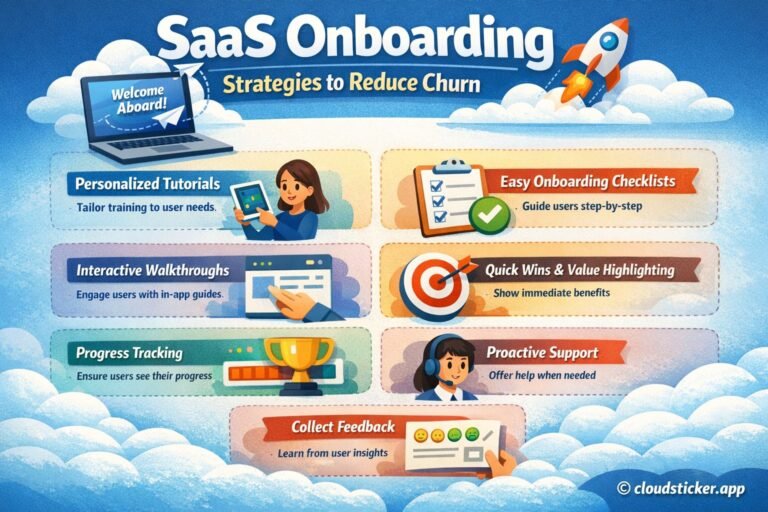
A well-structured onboarding process is critical for retention. Develop clear, step-by-step guides that ease users into the platform. Utilize personalized onboarding sessions and regularly follow up to address any questions. Continuous support can significantly boost user satisfaction and retention.
Strategic Framework for SaaS Sales Funnel Optimization
The SaaS Sales Performance Maturity Framework
Implementing a structured approach can significantly enhance your sales funnel effectiveness. The SaaS Sales Performance Maturity Framework consists of four progressive stages:
- Initial Stage: At this level, organizations operate with limited processes. Focus on developing basic sales strategies and establishing KPIs.
- Developing Stage: Organizations begin to define processes, but they may lack consistency. Implement tools for tracking performance and start refining your sales funnel.
- Established Stage: Your sales funnel has defined processes. Evaluate and optimize each step based on data. Focus on scaling operations and fine-tuning lead conversion strategies.
- Optimized Stage: Organizations at this level continuously improve processes. Utilize advanced analytics and AI to predict outcomes. Focus on creating a seamless customer journey from awareness to retention.
A step-by-step implementation table for this framework can visually detail actions required at each stage. Assess your current position within the framework to guide your optimization efforts effectively.
| Stage | Focus Area | Actions |
|---|---|---|
| Initial | Basic Sales Strategies | Define KPIs, identify target market |
| Developing | Process Definition | Implement tracking tools, refine strategies |
| Established | Optimization | Analyze data, optimize sales funnel |
| Optimized | Continuous Improvement | Leverage advanced analytics, refine customer journey |
Conclusion
Optimizing your SaaS sales funnel is critical for enhancing conversions. Understanding the key stages of the funnel allows for targeted strategies at each phase. Implementing a comprehensive checklist will ensure that every aspect is covered. From lead qualification to content strategy and CTA optimization, each element plays a role in your success.
Regularly monitoring performance metrics will guide your efforts. The SaaS landscape is ever-evolving. Adapting your strategies based on data-driven insights will keep your business competitive. A well-structured sales funnel not only increases conversions but fosters long-term customer relationships as well.
Focus on building a robust sales funnel. This investment in optimization will yield significant returns. Prioritize the essential checklist items discussed here, and watch your conversion rates soar.