SaaS Product Launch Funnels That Drive Massive Signups
In Software as a Service, a successful product launch can make or break a company’s trajectory. Understanding and deploying effective launch funnels is critical for driving massive signups and ensuring long-term growth. This article will explore the intricacies of SaaS product launch funnels, covering essential strategies, components, and metrics that lead to sustained success.
Understanding Launch Funnels and Their Importance
A launch funnel is a strategic pathway designed to guide potential customers from awareness to conversion. In the SaaS world, where competition is fierce, a well-optimized launch funnel is essential for capturing interest and maximizing signups. This funnel not only streamlines the user journey but also provides insight into customer behavior, allowing organizations to tailor their approach effectively.
The importance of a launch funnel cannot be overstated. It creates a structured process that helps in engaging prospects, nurturing leads, and ultimately converting them into paying customers. By understanding the specific needs and pain points of target audiences, SaaS companies can craft personalized experiences that resonate, significantly increasing the likelihood of conversions.
Moreover, a successful launch funnel provides an avenue for analyzing customer feedback and refining processes. This continuous feedback loop enables organizations to adapt their strategies and offerings, staying ahead of market trends and customer expectations, which is vital for long-term sustainability.
Key Components of Effective Launch Funnels for SaaS
An effective launch funnel consists of several key components that work together to optimize the user journey. At the top of the funnel, awareness is created through targeted marketing efforts such as content marketing, social media campaigns, and collaborations with influencers. Building brand recognition is crucial for attracting potential customers and piquing their interest in the new offering.
As prospects move down the funnel, education becomes essential. This is where delivering valuable content, such as webinars, whitepapers, and product demos, plays a significant role. These educational resources not only inform potential users about the product’s features and benefits but also build trust and credibility, which are fundamental for conversions.
Finally, the bottom of the funnel focuses on conversion tactics. This phase often includes optimized landing pages, compelling calls to action, and limited-time offers. The goal here is to eliminate friction in the signup process, making it as easy as possible for interested users to convert into paying customers. Each component must align seamlessly to drive massive signups effectively.
Crafting the Perfect Value Proposition for Your Product
A strong value proposition is at the heart of any successful launch funnel. It articulates why a potential customer should choose your product over competitors. To craft an effective value proposition, it’s essential to focus on the unique features that address specific pain points faced by your target audience.
Understanding your audience is crucial. Conducting market research, gathering feedback from existing customers, and analyzing competitors can yield insights that inform your value proposition. Highlighting your product’s unique benefits whether it’s cost savings, time efficiency, or enhanced productivity can make a compelling case for why users should sign up.
Once you’ve established a clear value proposition, integrating it into all communication channels and marketing materials is vital. This consistency reinforces your message and ensures that potential customers clearly understand what sets your product apart, making them more likely to engage and convert.
Building Anticipation: Pre-Launch Strategies That Work
Pre-launch strategies are essential for generating buzz and building anticipation around your SaaS product. One effective tactic is creating a pre-launch landing page where interested users can sign up for updates. Offering early access or exclusive content in exchange for email addresses can significantly boost your mailing list and create a sense of urgency.
Social media is another powerful tool for pre-launch engagement. Building a community around your product on platforms like Twitter, LinkedIn, or Facebook can foster excitement. Share sneak peeks, behind-the-scenes content, and testimonials from beta users to create a buzz and encourage sharing among followers.
Additionally, consider leveraging influencer partnerships to amplify your reach. Collaborating with industry influencers can help tap into their audience, providing social proof that enhances credibility. A well-executed pre-launch strategy not only generates leads but also establishes your product as a must-have solution in the market.
Optimizing Your Signup Page for Maximum Conversions
Your signup page is a crucial element of the launch funnel and plays a significant role in converting potential customers. To optimize it, start by streamlining the design. A clean, visually appealing layout with clear navigation can significantly enhance user experience. Avoid clutter and focus on showcasing the most important information prominently.
Next, the language you use on the signup page should evoke a sense of urgency and excitement. Incorporate strong calls to action that encourage visitors to take the next step, whether it’s signing up for a free trial or subscribing to a newsletter. Using A/B testing can help identify which phrases and designs resonate most effectively with your audience.
Finally, consider integrating social proof elements such as customer testimonials, success stories, and trust badges. These elements can reduce perceived risk and reinforce the credibility of your product, increasing the likelihood that visitors will transition from interest to action.
Engaging Users: Effective Communication Throughout the Funnel
Effective communication is essential for keeping potential customers engaged throughout the funnel. This involves not just responding to inquiries, but also anticipating user needs and providing relevant information at each stage. Automated emails, targeted follow-ups, and personalized messaging can enhance user experience and encourage progression through the funnel.
Utilizing a robust Customer Relationship Management (CRM) system can assist in managing communication effectively. By tracking user interactions, preferences, and behaviors, your team can tailor messages and offers that resonate with individual users, further driving engagement and conversion.
Furthermore, employing interactive content such as quizzes, surveys, and live chats can deepen engagement. These tools not only capture valuable insights into user preferences but also create a dynamic interaction that fosters a sense of relationship and loyalty, essential for conversion and retention.
Analyzing Data: Metrics to Measure Launch Success
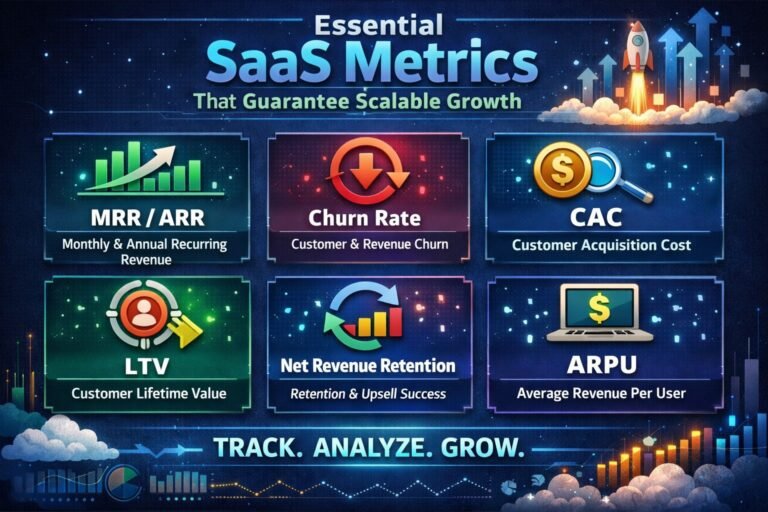
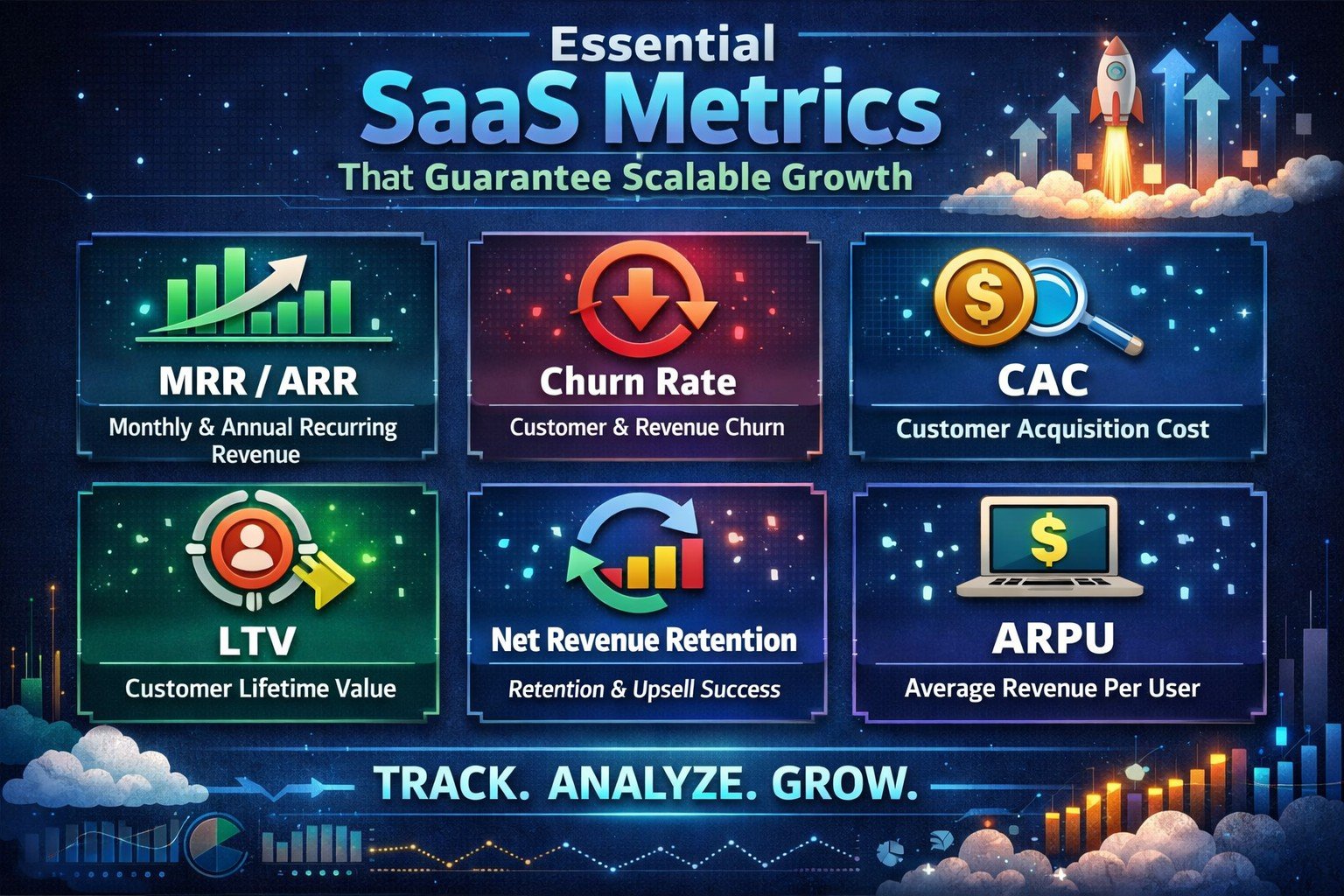
Measuring the success of your launch funnel is critical for identifying areas for improvement. Key performance indicators (KPIs) like conversion rates, bounce rates, and user acquisition costs provide insights into how effectively your funnel is performing. Regularly analyzing these metrics can help determine which strategies are working and which need refinement.
Another important metric is customer lifetime value (CLV). Understanding how much revenue each customer generates over time can help you allocate resources effectively and refine your marketing strategies. Tracking churn rates is equally important, as it reveals how many users discontinue their subscriptions and why.
A/B testing various elements of your funnel from messaging to design can yield actionable insights that inform future launches. This data-driven approach fosters continuous improvement, ensuring that your launch funnels evolve alongside market demands and user expectations.
Post-Launch Strategies for Sustained Growth and Retention
Once the initial launch phase is over, the focus should shift to sustaining growth and retaining customers. Implementing onboarding processes that help new users understand how to maximize your product’s value is vital. Providing tutorials, resources, and personalized support can significantly enhance user satisfaction and retention.
Engagement doesn’t stop after onboarding. Regular check-ins through email campaigns, webinars, and community events can keep users informed about new features, updates, and best practices. Building a sense of community around your product fosters loyalty and encourages users to become advocates for your brand.
Finally, soliciting feedback and acting on it is crucial for continuous improvement. Conducting regular surveys and user interviews can yield insights into how your product can be refined to better meet user needs. This commitment to improvement not only enhances user satisfaction but also strengthens your position in a competitive market.
Conclusion – SaaS Product Launch Funnels That Drive Massive Signups
launching a SaaS product successfully requires a well-structured launch funnel that effectively guides potential customers from awareness to conversion. By understanding the key components, crafting a compelling value proposition, and employing strategic pre-launch and post-launch tactics, organizations can drive massive signups and foster sustained growth. With the right approach and continuous optimization, your SaaS product can carve a significant niche in a competitive landscape.
Hashtags: #SaaS #ProductLaunch #MarketingStrategy #UserEngagement #GrowthHacking