
SaaS Growth Playbooks That Deliver Predictable Revenue
Software as a Service has transformed how businesses approach software delivery, creating unprecedented opportunities for predictable revenue. However, achieving this revenue predictability requires more than just a great product; it demands a comprehensive growth strategy. In this article, we’ll explore various SaaS growth playbooks that enable organizations to scale efficiently, ensuring they not only attract new customers but also retain existing ones. By focusing on essential metrics, customer acquisition strategies, retention efforts, and data-driven decision-making, you’ll learn how to build a sustainable revenue model that stands the test of time.
Understanding SaaS Growth Playbooks for Predictable Revenue
To design effective growth playbooks, it’s crucial to understand the unique dynamics of the SaaS landscape. SaaS companies operate on subscription models, which means that customer acquisition is only one piece of the puzzle. A successful playbook encompasses various stages of the customer lifecycle, including acquisition, activation, retention, and referral. Each stage requires tailored strategies that align your business goals with customer needs, fostering a symbiotic relationship that drives revenue.
A well-structured SaaS growth playbook includes a clear value proposition that resonates with the target audience. This involves understanding customer pain points and how your solution addresses them. For instance, if your software helps streamline workflows, your messaging should emphasize time savings and productivity gains. By aligning your product’s benefits with customer expectations, you create a compelling case for adoption that leads to predictable revenue streams.
Moreover, these playbooks are not static; they must evolve as market conditions change. Regularly revisiting and refining your growth strategies based on customer feedback and competitive analysis ensures that your approach remains relevant. This adaptability is critical in a fast-paced environment where customer preferences can shift rapidly, impacting your revenue predictability.
Essential Metrics to Measure SaaS Growth Success
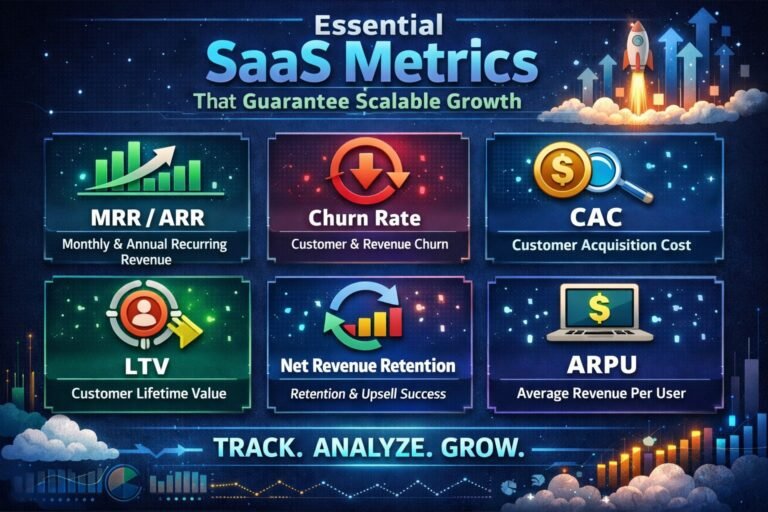
Understanding the right metrics is fundamental to tracking and managing SaaS growth effectively. Key performance indicators (KPIs) such as Monthly Recurring Revenue (MRR), Customer Acquisition Cost (CAC), and Customer Lifetime Value (CLV) provide insights into the health of your business. MRR, for instance, allows you to forecast revenue streams with greater accuracy, while CAC helps ascertain the efficiency of your marketing efforts. Monitoring these metrics regularly helps you make informed decisions that enhance growth strategies.
Another crucial metric is the churn rate, which indicates the percentage of customers who cancel their subscriptions during a given period. High churn rates can signal underlying issues with your product or customer experience. Understanding why customers leave and addressing those pain points is vital for improving retention and, by extension, revenue predictability. Tools like customer surveys or feedback forms can provide insights that guide product enhancements and customer engagement strategies.
Additionally, metrics related to customer engagement—such as product usage frequency and feature adoption—offer valuable insights into how customers interact with your software. By analyzing these trends, you can identify opportunities for upselling or cross-selling, further contributing to revenue predictability. Fostering an environment where your team understands and acts on these metrics ensures that growth remains a collective responsibility across the organization.
Building a Robust Customer Acquisition Strategy
A successful customer acquisition strategy is integral to SaaS growth and predictable revenue. Businesses must first identify their ideal customer profile (ICP), which helps in tailoring marketing and sales efforts towards the demographics most likely to convert. This involves analyzing existing customer data to pinpoint common characteristics such as industry, company size, and pain points. With a defined ICP, your marketing campaigns become more targeted, leading to higher conversion rates.
Implementing a multi-channel approach can amplify your acquisition efforts. This encompasses a mix of content marketing, social media campaigns, and paid advertising to reach potential customers where they are most active. Content marketing, in particular, can establish your brand as an authority in its field, driving organic traffic and generating leads. High-quality blogs, webinars, and case studies serve not only to attract but also to engage prospective customers, nurturing them through the sales funnel.
Finally, leveraging partnerships can also enhance your acquisition strategy. Collaborating with complementary businesses can offer new avenues for lead generation. For example, a SaaS company specializing in project management could partner with a time-tracking tool, creating bundled offerings that provide greater value to customers. This collaborative approach not only boosts acquisition but also lays the groundwork for cross-promotional efforts, further solidifying revenue predictability.
Retention Strategies That Drive Long-Term Revenue
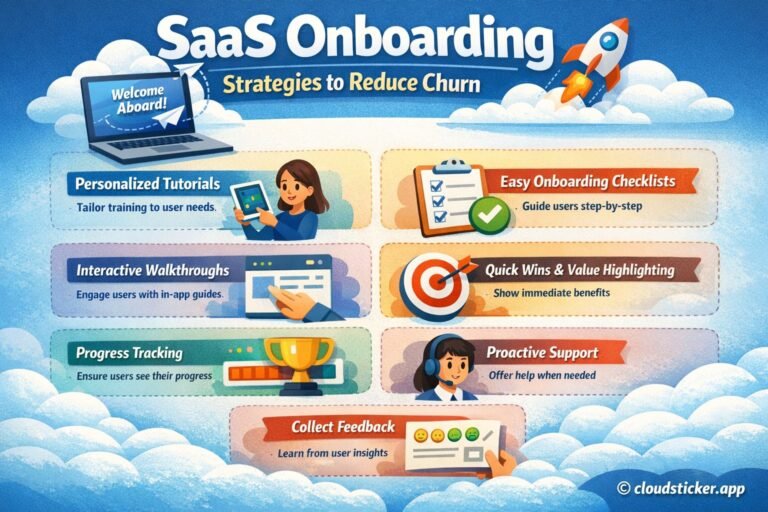
While acquiring new customers is crucial, retaining existing ones is equally important for revenue predictability. Building a strong customer success program is essential for this. Customer success teams should proactively engage with users, ensuring they derive maximum value from your software. Regular check-ins, training sessions, and personalized support can enhance customer satisfaction, leading to reduced churn rates.
Creating a feedback loop with customers is also vital. Regular surveys can help you understand their evolving needs and pain points, allowing you to make timely improvements to your product. By genuinely listening to your customers, you not only improve retention but also foster brand loyalty, turning satisfied customers into advocates who will refer others to your service.
Moreover, implementing loyalty programs or incentives can encourage long-term commitment. Offering discounts for annual subscriptions or rewards for referrals incentivizes customers to stay engaged with your product. These programs create a win-win scenario: customers save money while you benefit from predictable and recurring revenue.
Leveraging Data Analytics for Strategic Insights
Data analytics plays a pivotal role in driving SaaS growth and ensuring revenue predictability. Advanced analytics tools can provide insights into customer behavior, usage patterns, and market trends. By leveraging these insights, you can identify opportunities for product enhancements, marketing strategies, and customer engagement tactics that align with your growth objectives.
Predictive analytics, in particular, can help you forecast customer behavior based on historical data. This empowers your business to anticipate market demands, enabling proactive adjustments in marketing and product development. For instance, if data shows a trend toward a particular feature, you can focus on enhancing that aspect of your offering, attracting new customers and retaining existing ones more effectively.
Additionally, A/B testing different strategies across channels helps refine your approach based on real-time data. This iterative process allows you to adapt quickly, ensuring that your growth strategies remain effective and relevant in a constantly evolving market. By fostering a data-driven culture within your organization, you position yourself to make informed decisions that drive sustainable growth.
Aligning Sales and Marketing Teams for Growth
An integrated approach between sales and marketing teams can significantly impact SaaS growth strategies. Clear communication and alignment on objectives ensure that both teams are working towards a common goal – predictable revenue. Regular meetings and collaborative planning sessions can help harmonize strategies, ensuring that marketing campaigns support sales initiatives and vice versa.
Shared metrics and dashboards can facilitate transparency between teams. For example, by monitoring lead quality and conversion rates, both teams can identify what’s working and what needs improvement. This data-driven approach fosters accountability and encourages teams to work collaboratively towards achieving growth targets.
Moreover, cross-training team members can enhance understanding and cooperation. When marketing understands the sales process and sales understands customer pain points highlighted in marketing campaigns, both teams can devise more effective strategies. This holistic view enhances customer engagement and satisfaction, ultimately driving predictable revenue growth for the organization.
Best Practices for Pricing and Packaging Models
Pricing and packaging are critical components of a SaaS growth strategy. Effective pricing strategies should reflect the value provided while remaining competitive in the market. A tiered pricing model often works well, allowing businesses to cater to various customer segments. This flexibility can attract a broader audience while maximizing revenue potential from higher-tier packages.
Regularly reviewing your pricing strategy in light of market changes is essential. Conducting competitive analysis and gathering customer feedback allows you to adjust prices and packages in ways that resonate with your audience. For instance, if competitors are offering similar services at lower prices, you may need to enhance your value proposition or consider promotional offers to maintain competitiveness.
Additionally, offering free trials or freemium models can help ease prospects into making a purchasing decision. These approaches give potential customers a taste of your product before committing financially, resulting in higher conversion rates. By strategically implementing these pricing and packaging tactics, you create a compelling case for prospects to choose your solution over others, driving predictable revenue.
Case Studies of Successful SaaS Revenue Models
Examining successful SaaS companies can provide valuable insights into effective revenue models. Take Salesforce, for example. Their approach to customer relationship management (CRM) solutions is anchored in a subscription model, allowing for predictable revenue streams. By continuously enhancing their offerings and integrating customer feedback, Salesforce has maintained a strong market presence and impressive customer retention rates.
Another noteworthy case is HubSpot, which successfully leverages a freemium model to attract new users. By providing a robust free tier, they engage prospects and convert them into paying customers once they see the value in the premium features. HubSpot’s focus on customer education and community engagement further supports its growth, resulting in a loyal customer base and predictable revenue.
Lastly, consider Slack, which has gained traction through effective pricing strategies and user-centric design. The company offers a free tier that encourages team collaboration, with paid plans designed for larger organizations needing advanced features. This model not only drives user adoption but also encourages upselling as teams grow, ensuring a steady revenue stream.
Implementing SaaS growth playbooks tailored to your organization can significantly enhance your path to predictable revenue. By focusing on essential metrics, refining customer acquisition and retention strategies, leveraging data analytics, aligning sales and marketing, and adopting effective pricing models, you can build a resilient revenue structure. This holistic approach enables your organization to thrive in a competitive landscape and ensures that your customer relationships are built on value and trust.
Meta Description
Discover actionable SaaS growth playbooks that ensure predictable revenue through smart acquisition, retention, and data-driven strategies.
Tags
SaaS, Growth, Revenue, Customer Acquisition, Retention, Data Analytics, Sales, Marketing, Pricing, Case Studies