
Proven SaaS Sales Strategies That Drive Consistent Growth
In SaaS, having a robust sales strategy has become paramount for organizations aiming for sustainable growth. It’s no longer sufficient to rely on product innovation alone; companies must also leverage proven sales strategies that resonate with their target market. This article explores SaaS Sales Strategies That Drive Consistent Growth, focusing on customer-centric approaches, key metrics to track, and the importance of continuous training and data utilization. By implementing these strategies, organizations can foster consistent growth and build lasting customer relationships.
Understanding the Importance of a Strong Sales Strategy
A strong sales strategy serves as the backbone of any successful SaaS organization, guiding teams in their efforts to penetrate the market and convert leads into loyal customers. The SaaS industry is characterized by high competition and rapidly evolving technology, making it critical for companies to have a clear roadmap of how to approach potential clients. A well-defined sales strategy not only aligns marketing and sales teams but also provides a framework for measuring success based on specific, targeted goals.
Additionally, a robust sales strategy helps organizations better understand their customer segments, allowing them to tailor their messaging and offerings. For example, segmenting the market based on company size or industry can enable a SaaS provider to create targeted campaigns that speak directly to the needs and pain points of specific audiences. This approach fosters improved customer engagement, as prospects feel that the solution is personalized and addresses their unique challenges.
Finally, a strong sales strategy creates a culture of accountability within the organization. By establishing clear objectives and key performance indicators (KPIs), teams can track their progress and make data-driven adjustments. This not only enhances the effectiveness of the sales process but also motivates team members to meet their targets, contributing to the overall growth of the organization.
Key Metrics to Track for SaaS Sales Growth
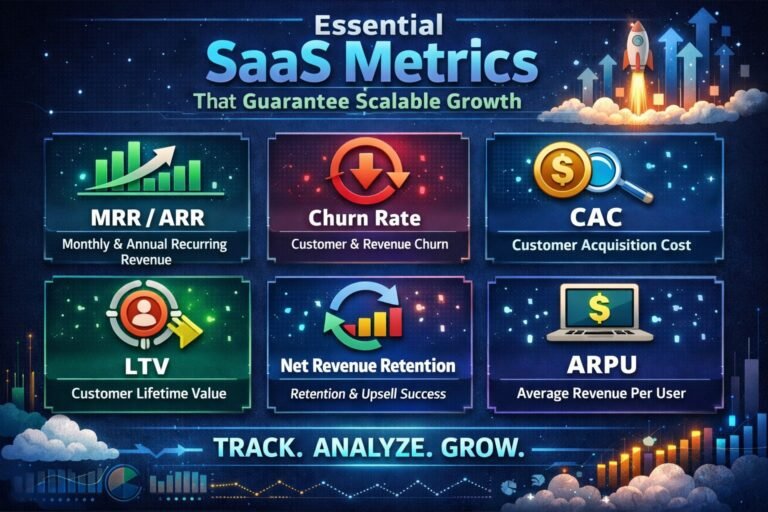
To drive consistent growth in a SaaS business, tracking the right metrics is essential. Key performance indicators (KPIs) such as Monthly Recurring Revenue (MRR), Customer Acquisition Cost (CAC), and Customer Lifetime Value (CLV) provide valuable insights into the health of the business. MRR is particularly significant as it reflects the predictable revenue generated from subscriptions, allowing organizations to forecast future performance accurately.
Another crucial metric is the Customer Churn Rate, which measures the percentage of customers who discontinue their subscriptions within a given time frame. High churn rates can indicate customer dissatisfaction and highlight areas requiring improvement, such as product features or customer support. Understanding churn can guide organizations in implementing strategies aimed at retention and customer satisfaction.
Lastly, Sales Velocity is a metric that captures how quickly a company can close deals. This includes assessing the time taken from lead generation to conversion, and it directly impacts revenue growth. By optimizing sales velocity, organizations can ensure that they are not only attracting leads but also converting them into paying customers efficiently, thus contributing to sustainable growth.
Building a Customer-Centric Sales Process
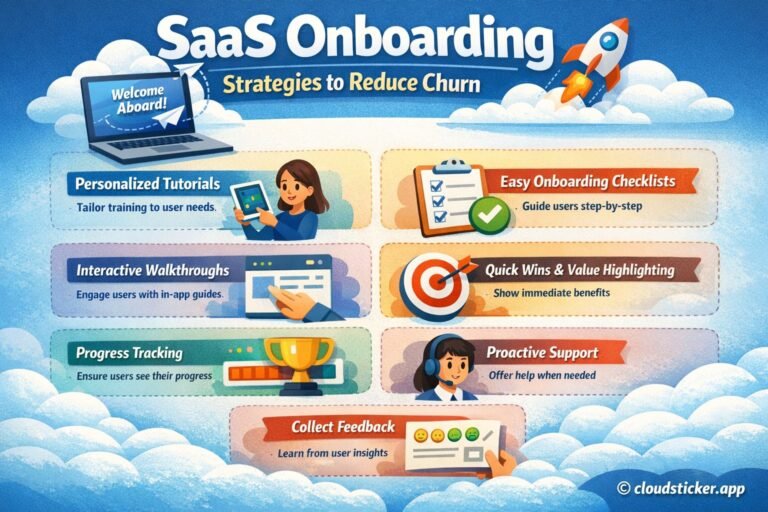
A customer-centric sales process is vital in today’s competitive SaaS landscape. This approach emphasizes understanding the customer’s needs and preferences, allowing sales teams to tailor their strategies accordingly. Start by mapping out the customer journey, which involves identifying critical touchpoints and interactions that occur from initial contact to post-sale engagement.
Engaging prospects with personalized solutions can significantly enhance the customer experience. Utilizing insights gathered from CRM systems, sales teams can create tailored content and offerings that resonate with specific customer segments. For example, a SaaS provider might use feedback from existing clients to refine its messaging, ensuring that it highlights features that are most beneficial to potential customers.
In addition, incorporating regular feedback loops into the sales process can help refine strategies over time. This could involve conducting surveys or interviews with both leads and current customers to gain insights into their experiences and expectations. By continuously adapting to the voice of the customer, organizations can foster deeper relationships and drive higher conversion rates.
Leveraging Data for Targeted Sales Outreach
Data is an invaluable asset for SaaS businesses aiming to enhance their sales outreach. By analyzing customer data, organizations can identify trends, preferences, and behaviors that inform their sales strategies. For instance, using data analytics tools enables sales teams to segment their leads based on demographics, firmographics, and even behavioral patterns, allowing for highly targeted outreach.
Implementing predictive analytics can further refine sales strategies. This technology utilizes historical data to identify potential future customer behaviors, enabling sales teams to prioritize outreach efforts on leads that are most likely to convert. By focusing on high-potential leads, organizations can allocate resources more efficiently and increase their chances of closing deals.
Additionally, leveraging data to personalize communication can significantly improve engagement. By utilizing insights from previous interactions, sales representatives can tailor their messaging to address specific pain points, making the outreach feel more relevant and timely. This increases the likelihood of eliciting a positive response, ultimately driving sales growth.
Effective Lead Generation Techniques for SaaS
Generating high-quality leads is one of the most critical components of a successful SaaS sales strategy. Effective lead generation techniques begin with content marketing, which creates value for potential customers through informative articles, whitepapers, or webinars. By positioning the organization as a thought leader in the industry, prospects are more likely to engage and consider the SaaS solution for their needs.
Another effective approach is leveraging social media platforms for lead generation. Engaging with prospects on channels where they spend their time, such as LinkedIn or Twitter, can help organizations reach a wider audience. Targeted ads and paid promotions can further enhance visibility and attract leads who may not have discovered the company otherwise.
Moreover, partnerships and collaborations with other businesses can serve as a powerful lead generation strategy. By aligning with complementary companies, organizations can tap into each other’s customer bases, providing value to their respective audiences while generating new leads. This synergy can lead to increased brand awareness and more conversions.
Nurturing Leads with Personalized Communication
Once leads are generated, it is essential to nurture them through personalized communication. Effective lead nurturing involves understanding where each prospect is in their buying journey and tailoring interactions accordingly. Utilizing marketing automation tools can streamline this process, allowing organizations to segment leads and send targeted messaging based on their interests and behaviors.
Email marketing is a potent tool for nurturing leads, as it enables organizations to maintain communication while delivering valuable content. Personalized emails that address the recipient by name and reference specific interactions can help build trust and establish a connection. Additionally, sharing case studies or testimonials from similar companies can further validate the solution and encourage prospects to move forward.
Regular follow-ups are also crucial in the lead nurturing process. Setting reminders to check in with leads ensures that no opportunity is neglected. By providing ongoing support and information, organizations can keep their solutions top of mind, increasing the likelihood of conversion when the prospect is ready to make a decision.
Importance of Continuous Training for Sales Teams
Continuous training for sales teams is vital in the fast-paced SaaS environment. The technology landscape is continually evolving, and keeping sales teams updated with the latest product features, industry trends, and selling techniques is crucial for maintaining a competitive edge. Regular training sessions can foster a culture of learning and encourage team members to share best practices.
In addition to product knowledge, training should also focus on enhancing soft skills such as communication, negotiation, and relationship building. These skills are essential in establishing trust with prospects, which can greatly influence conversion rates. Incorporating role-playing exercises and real-world scenarios in training can further prepare sales representatives for various situations they may encounter in the field.
Lastly, incorporating feedback mechanisms into the training process can help identify areas for improvement. By evaluating the effectiveness of training sessions and adjusting content based on team performance, organizations can create a more dynamic and responsive training program that meets the needs of their sales teams.
Scaling Your Sales Efforts for Long-Term Success
Scaling sales efforts effectively requires a strategic approach. As organizations grow, it’s essential to ensure that sales processes are not only efficient but also scalable. This involves investing in CRM systems that can handle increased volumes of leads and customer interactions without sacrificing quality. A robust CRM can facilitate better tracking, reporting, and collaboration across the sales team.
Another key aspect of scaling is defining a repeatable sales process. By standardizing best practices and refining sales playbooks, organizations can ensure that every team member follows successful strategies, leading to more consistent outcomes. This also allows new hires to onboard more quickly, as they have a clear framework to follow.
Finally, embracing technology is crucial for scaling sales efforts. Leveraging tools such as AI-driven analytics, sales enablement software, and automation can enhance productivity and efficiency. By automating repetitive tasks, sales teams can focus on high-value activities, ultimately leading to increased sales and sustained growth.
Conclusion – SaaS Sales Strategies That Drive Consistent Growth
The SaaS landscape presents both opportunities and challenges that require a comprehensive sales strategy for consistent growth. By focusing on key metrics, building a customer-centric sales process, and leveraging data for targeted outreach, organizations can foster deeper relationships with prospects and clients alike. Continuous training and innovation in lead generation techniques ensure that sales teams are well-equipped to adapt and thrive in this dynamic environment. By implementing these proven strategies, SaaS companies can achieve long-term success and maintain a competitive edge.
Tags: SaaS sales, sales strategy, customer-centric, lead generation, sales growth, sales metrics, data utilization, sales training, SaaS marketing, enterprise sales
Hashtags: #SaaSSales #GrowthStrategy #CustomerCentric #SalesTraining #LeadGeneration