Brand-Dominating SaaS Growth Strategies That Lead Markets
Brand-dominating SaaS growth strategies are transforming how organizations engage with markets, build their brands, and achieve sustained success. As the competitive landscape shifts, SaaS companies must adopt innovative growth strategies to not only meet customer expectations but also lead their respective markets. This article delves into key strategies that have proven effective for SaaS brands, offering practical insights that enterprises can leverage to fuel growth and establish market dominance.
Understanding the Impact of SaaS on Brand Growth Strategies
The emergence of Software as a Service (SaaS) has revolutionized how businesses operate, shifting the focus from traditional software sales to subscription-based models. This change empowers companies to create more flexible and adaptive growth strategies. Unlike conventional software models, SaaS allows for ongoing customer engagement, where businesses can continuously refine their offerings based on user feedback and preferences. This adaptability is essential for maintaining a competitive edge in today’s fast-paced digital landscape.
Moreover, SaaS products often leverage cloud technology, which enables seamless updates and enhancements. This means that businesses can rapidly iterate and improve their products without the lengthy and costly processes associated with traditional software updates. As a result, brand growth strategies must prioritize agility, ensuring that companies can respond quickly to market demands and customer needs. This leads to enhanced customer satisfaction, loyalty, and ultimately, brand dominance.
In addition, the scalability inherent in SaaS models allows businesses to expand their reach without significant upfront investments. Companies can effectively target new market segments, explore international opportunities, and tailor their offerings to diverse customer bases. This scalability not only fuels brand growth but also enables organizations to position themselves as leaders in their industries, adapting to shifts in demand and capitalizing on emerging trends.
Key Components of a Successful SaaS Marketing Strategy
A robust SaaS marketing strategy is fundamental to driving brand growth and achieving market leadership. The first component involves a clear value proposition that differentiates the product from competitors. This value proposition should articulate the unique benefits that the SaaS solution provides, highlighting how it solves specific pain points for potential customers. A well-defined value proposition ensures that marketing efforts resonate with the target audience and establish a compelling reason for them to choose the product.
Another critical element is the emphasis on customer education. SaaS products can often be complex, and potential users must understand how to integrate them into their existing workflows. Creating informative content—such as webinars, tutorials, and case studies—can empower customers with the knowledge they need to maximize the value of the product. This not only enhances customer satisfaction but also positions the brand as an authority in its field, fostering trust and credibility.
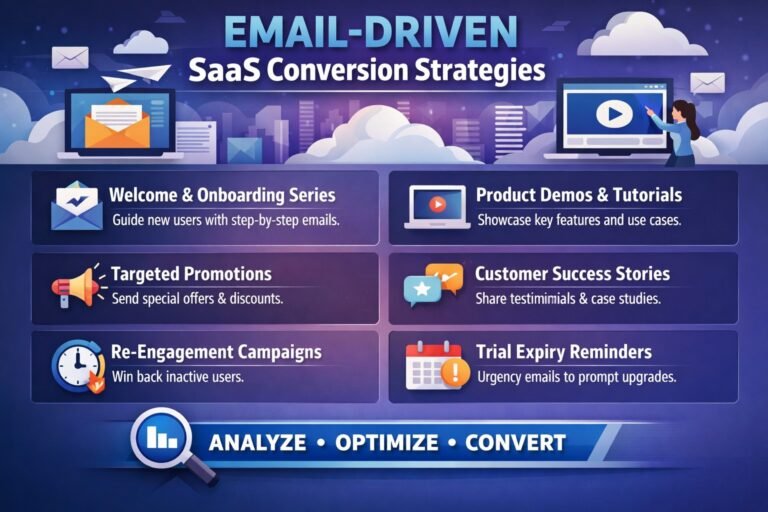
Lastly, leveraging multi-channel marketing is essential for reaching a broader audience. SaaS companies should explore various channels, including social media, email marketing, and SEO, to engage potential customers at multiple touchpoints. By creating a cohesive and integrated marketing strategy, brands can reinforce their messaging, attract leads, and guide them through the sales funnel effectively.
Leveraging Customer Data for Strategic Decision Making
In today’s data-driven world, customer data serves as a powerful asset for SaaS companies. Businesses can glean insights from user interactions, feedback, and behavioral patterns to inform their strategic decisions. Analyzing this data allows companies to identify trends, understand customer preferences, and pinpoint areas for improvement. By leveraging customer data, organizations can make informed decisions that align with market demands, thereby enhancing their overall brand strategy.
Furthermore, customer segmentation plays a vital role in personalizing marketing efforts. By categorizing users based on their behaviors, preferences, and needs, SaaS companies can tailor their messaging and offerings to resonate with specific segments. This targeted approach not only increases engagement but also boosts conversion rates, as potential customers are more likely to respond to solutions that address their unique challenges.
The integration of predictive analytics can also enhance strategic decision-making. By forecasting future trends and customer behaviors, SaaS companies can proactively adjust their strategies to capitalize on emerging opportunities. This forward-thinking approach enables organizations to stay ahead of the competition, ensuring that they are not only reacting to market changes but also anticipating them.
Building a Community Around Your SaaS Product
Creating a community around a SaaS product can significantly contribute to brand growth and customer loyalty. By fostering an environment where users can share experiences, provide feedback, and exchange ideas, companies can cultivate a sense of belonging among their customers. This community engagement not only enhances the user experience but also generates valuable insights that can guide product development and marketing strategies.
Online forums, user groups, and social media channels offer ideal platforms for building this community. By actively participating in these spaces, companies can engage directly with customers, addressing their concerns and celebrating their successes. This two-way communication strengthens relationships and fosters a culture of collaboration, which can lead to increased brand advocacy and word-of-mouth referrals.
Moreover, hosting events, webinars, and workshops can further solidify community ties. These initiatives provide opportunities for customers to connect with each other and the brand, creating a shared experience that enhances loyalty. When customers feel connected to the brand and each other, they are more likely to advocate for the product, leading to organic growth through referrals and positive reviews.
Integrating User Feedback into Product Development
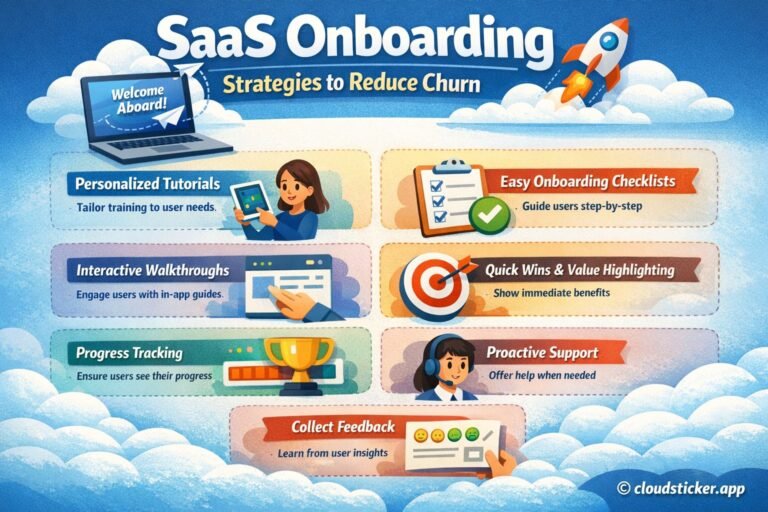
User feedback is invaluable for SaaS companies looking to refine their products and enhance customer satisfaction. By actively soliciting feedback through surveys, interviews, and usability tests, organizations can gain insights into how users interact with their solutions. This information is crucial for identifying pain points, uncovering desired features, and understanding the overall user experience.
Integrating user feedback into product development processes allows companies to prioritize enhancements that truly matter to their customers. By focusing on these high-impact changes, SaaS businesses can improve user satisfaction and retention rates. This customer-centric approach not only fosters loyalty but also positions the brand as responsive and attentive to user needs, further solidifying its market presence.
Furthermore, establishing a feedback loop can create a culture of continuous improvement. By regularly updating customers on how their feedback has influenced product decisions, SaaS companies can reinforce their commitment to customer satisfaction. This transparency builds trust and encourages ongoing engagement, ensuring that users feel valued and heard.
Prioritizing Scalability in SaaS Solutions for Growth
Scalability is a cornerstone of SaaS growth strategies, allowing organizations to meet increased demand without compromising performance. When designing their solutions, SaaS companies must prioritize architecture that can easily scale. This involves implementing cloud infrastructure that supports rapid deployment of updates, handles spikes in user activity, and accommodates new features seamlessly.
Moreover, anticipating future growth means considering not only technical scalability but also operational scalability. Companies should evaluate their processes, support systems, and team structures to ensure they can scale operations in line with customer growth. By establishing systems that can handle increased demands efficiently, organizations can avoid bottlenecks that may hinder their expansion efforts.
Investing in scalability also allows SaaS companies to be proactive in their market strategy. By being prepared for growth, organizations can seize opportunities more quickly, capturing market share and establishing themselves as industry leaders. This foresight is vital for long-term success and sustainability in the competitive SaaS landscape.
The Role of Partnerships in Expanding Market Reach
Strategic partnerships can significantly enhance a SaaS company’s market reach. Collaborating with other companies, whether they are complementary service providers or established players in the industry, can open new avenues for growth. Partnerships allow SaaS brands to tap into existing customer bases and leverage joint marketing efforts to expand their reach more effectively.
Moreover, partnerships can enhance the value proposition of the SaaS offering. By integrating complementary products or services, companies can provide customers with a more comprehensive solution that addresses a broader range of needs. This added value can lead to increased customer satisfaction and retention, as users are more likely to stick with a brand that offers a holistic solution.
Additionally, co-marketing initiatives and joint events can create buzz and generate interest in both brands. By working together, SaaS companies can amplify their messages and engage their audience more effectively. This collaborative approach not only fosters goodwill but also positions both companies as leaders within their respective markets.
Measuring Success: Metrics for SaaS Growth Strategies
To evaluate the effectiveness of their growth strategies, SaaS companies must establish and track key performance indicators (KPIs). Metrics such as Monthly Recurring Revenue (MRR), customer acquisition cost (CAC), and customer lifetime value (CLTV) provide insights into the health of the business and the success of marketing efforts. Regularly monitoring these metrics allows organizations to make informed decisions and adjust strategies as necessary.
Churn rate is another critical metric that SaaS companies should closely examine. Understanding why customers leave and addressing those issues is crucial for maintaining growth. Conducting exit interviews and analyzing customer feedback can help identify trends and inform retention strategies. By minimizing churn, businesses can improve their overall revenue and foster a loyal customer base.
Lastly, tracking user engagement metrics, such as active users, session duration, and feature usage, provides valuable insights into customer behavior. This data can inform product development and marketing strategies, ensuring that offerings remain aligned with customer needs. By leveraging these metrics, SaaS companies can create a data-driven culture that supports continuous improvement and sustained growth.
In conclusion, brand-dominating SaaS growth strategies demand a multifaceted approach that incorporates customer insights, community building, scalability, and strategic partnerships. By implementing these strategies, organizations can not only achieve market leadership but also foster long-lasting customer loyalty. As the SaaS landscape continues to evolve, companies that prioritize adaptability and customer-centricity will be best positioned for success.
Meta Description: Explore brand-dominating SaaS growth strategies that lead markets, focusing on customer engagement, data-driven decision-making, and community building.
Tags: SaaS, growth strategies, brand dominance, customer engagement, market leadership, SaaS marketing, community building, user feedback, scalability, partnerships
Hashtags: #SaaSGrowth #BrandDominance #CustomerSuccess #SaaSMarketing #CommunityBuilding