Bulletproof SaaS Marketing Systems That Drive Consistent Revenue
In the competitive landscape of Software as a Service (SaaS), effective marketing systems are paramount in driving consistent revenue. Businesses must go beyond surface-level tactics to build bulletproof solutions that not only attract leads but also convert them into loyal customers. By analyzing the components of a successful SaaS marketing strategy, organizations can lay the foundation for sustained growth and profitability. This article delves into the essential elements of a robust marketing system, lead generation tactics, nurturing processes, and the metrics that define success.
Understanding the Importance of SaaS Marketing Systems
A well-structured SaaS marketing system enables companies to streamline their customer acquisition processes, effectively manage leads, and maximize revenue. Unlike traditional products, SaaS offerings require ongoing engagement and relationship-building, making a dynamic marketing system essential. This involves not only attracting potential clients but also retaining them through tailored communication and continual value delivery.
The SaaS business model thrives on recurring revenue, which makes it crucial for organizations to develop strategies that ensure a positive customer experience from the very first interaction. A strong marketing system can reduce customer acquisition costs by leveraging different channels, automating processes, and personalizing outreach, which ultimately leads to higher conversion rates. The interplay of these factors creates a stable revenue stream, which is vital for long-term sustainability.
Moreover, a bulletproof marketing system should adapt quickly to changes in the market landscape. With emerging technologies and evolving consumer expectations, marketing strategies must be flexible and data-driven. By harnessing insights from customer behavior and market trends, SaaS businesses can stay ahead of the competition and make informed decisions that drive their growth.
Key Components of a Bulletproof Marketing Strategy
To create a bulletproof marketing strategy, SaaS companies must focus on several key components. First and foremost, a strong value proposition is essential. This should clearly communicate the unique benefits of the SaaS offering, differentiating it from competitors. A well-defined value proposition will resonate with the target audience, making it easier to attract potential clients.
Secondly, SaaS marketing strategies should employ a combination of inbound and outbound tactics. Inbound marketing, such as content marketing and SEO, helps to organically attract leads. Meanwhile, outbound marketing, including targeted ads and email campaigns, allows for a proactive approach in reaching potential customers. The balance between these two approaches is crucial to maximizing visibility and engagement across multiple channels.
Lastly, an effective marketing strategy must incorporate customer feedback and analytics. By continuously monitoring customer interactions and analyzing data, organizations can refine their messaging and tactics. This iterative process not only enhances the customer experience but also aligns marketing efforts with business objectives. Strong analytics capabilities can also identify potential churn risks early, allowing organizations to intervene and maintain customer loyalty.
How to Build a Consistent Revenue Model for SaaS
Building a consistent revenue model for a SaaS business requires a multifaceted approach. Subscription-based pricing is often the most common model, providing a predictable revenue stream while offering customers flexibility and affordability. Tiered pricing plans can cater to different customer segments and preferences, enhancing customer acquisition and retention.
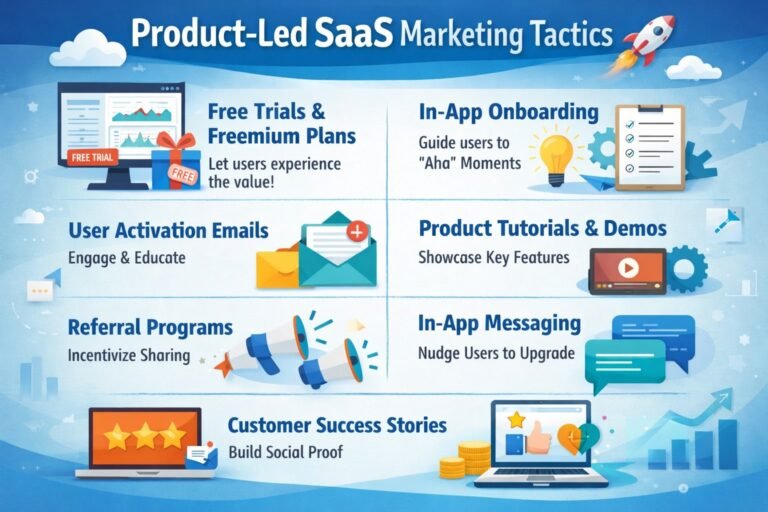
Additionally, implementing a freemium model can help attract users who may eventually convert to paid plans. By providing essential features for free while charging for premium functionalities, organizations can entice users to experience the service firsthand. This method helps build trust, paving the way for future upsells and renewals.
Finally, emphasizing customer success is critical to maintaining a consistent revenue model. Proactively engaging with customers post-purchase through onboarding, training, and ongoing support can significantly reduce churn. A dedicated customer success team focused on ensuring clients derive maximum value from the service will lead to increased renewals and upsell opportunities, solidifying the revenue pipeline.
Effective Lead Generation Tactics for SaaS Companies
Lead generation is the lifeblood of any SaaS business. A strong online presence through a well-optimized website is essential for attracting prospects. Content marketing, including blogs, whitepapers, and case studies, can position companies as thought leaders in their industry. This not only enhances credibility but also nurtures trust among potential customers.
Utilizing social media platforms is another effective tactic for lead generation. Platforms like LinkedIn are particularly valuable for B2B SaaS companies, allowing for targeted outreach and engagement with decision-makers. Sharing informative content, engaging in discussions, and participating in industry-specific groups can help generate leads organically.
Finally, leveraging paid advertising through Google Ads or social media can supplement organic efforts. By targeting specific demographics and utilizing retargeting strategies, SaaS companies can convert website visitors into leads. Combining these methods ensures a steady flow of high-quality leads, which is essential for sustaining growth.
Nurturing Leads: From Awareness to Conversion
Once leads are generated, the next step is nurturing them through the sales funnel. The nurturing process begins with personalized communication. Utilizing marketing automation tools to send tailored emails based on the lead’s behavior and preferences can significantly enhance engagement. This approach helps maintain interest and guides leads closer to conversion.
Implementing drip campaigns is another effective strategy. By providing a series of automated emails that deliver valuable content over time, businesses can keep leads informed and engaged. This continuous touchpoint reinforces the value of the SaaS product while addressing their needs and concerns, ultimately leading to a higher likelihood of conversion.
Moreover, hosting webinars or interactive demos can provide potential customers with a firsthand experience of the product. This not only showcases the software’s capabilities but also creates an opportunity for direct interaction, which can significantly influence purchasing decisions. By leveraging various channels and methods, organizations can effectively nurture leads and drive them toward conversion.
Measuring Success: KPIs for SaaS Marketing Systems
To gauge the effectiveness of a SaaS marketing system, organizations must establish key performance indicators (KPIs). Metrics such as Customer Acquisition Cost (CAC) and Customer Lifetime Value (CLV) are essential for understanding the profitability of marketing efforts. A low CAC in comparison to a high CLV indicates a healthy marketing system that efficiently attracts and retains customers.
Another crucial KPI is the conversion rate at various stages of the funnel. Monitoring how many leads convert into paying customers and identifying where drop-offs occur can inform necessary adjustments in the marketing strategy. This targeted approach ensures that resources are allocated toward the most effective tactics and channels.
Additionally, tracking engagement metrics such as open rates, click-through rates, and social media interactions can provide insight into audience behavior. Understanding which content resonates most with prospects can inform future marketing initiatives while strengthening the overall strategy.
Technology Tools to Enhance Your Marketing Efforts
In the age of digital transformation, leveraging technology tools is essential for enhancing SaaS marketing efforts. Customer Relationship Management (CRM) systems, such as Salesforce or HubSpot, streamline lead management and sales processes. These platforms facilitate better communication and tracking, allowing for more personalized interactions with prospects.
Marketing automation tools, such as Marketo or Mailchimp, enable organizations to automate repetitive tasks, like email marketing campaigns and lead scoring. This not only saves time but also ensures that marketing efforts are timely and relevant, ultimately improving lead nurturing processes.
Analytics and reporting tools, like Google Analytics and Tableau, are also invaluable for understanding marketing performance. These tools provide comprehensive insights into user behavior, campaign effectiveness, and overall ROI. By analyzing this data, organizations can make informed decisions and continuously optimize their marketing strategies for better results.
Future Trends in SaaS Marketing to Watch Out For
The SaaS marketing landscape is constantly evolving, driven by technological advancements and changing consumer behaviors. One emerging trend is the increasing importance of personalization. As customers become more discerning, tailored marketing messages that resonate with individual needs will be essential to stand out in a crowded market.
Another trend is the shift toward account-based marketing (ABM). This strategy focuses on targeting specific high-value accounts rather than a broad audience. By understanding the nuances of key accounts, organizations can create highly personalized campaigns that drive higher engagement and conversion rates. This shift requires collaboration between marketing and sales teams to align strategies and maximize impact.
Lastly, the integration of artificial intelligence (AI) into marketing systems is set to revolutionize how SaaS companies approach customer interactions. AI can analyze vast amounts of data to predict customer behavior, automate responses, and optimize marketing strategies in real time. Embracing these future trends will be essential for SaaS organizations looking to maintain a competitive edge.
In conclusion, establishing a bulletproof SaaS marketing system is essential for driving consistent revenue in today’s competitive landscape. By focusing on key components, nurturing leads, measuring success, and leveraging technology, organizations can build a sustainable marketing strategy that adapts to changing market conditions. As trends continue to evolve, staying ahead of the curve will empower SaaS companies to thrive in a dynamic environment.
Meta Description: Discover essential elements of bulletproof SaaS marketing systems that drive consistent revenue and learn effective lead generation tactics and nurturing strategies.
Tags: SaaS marketing, revenue generation, lead generation, customer success, marketing strategy, SaaS growth, digital marketing, automation tools, KPI, future trends
Hashtags: #SaaSMarketing #LeadGeneration #CustomerSuccess #MarketingStrategy #DigitalTransformation