AI-Powered SaaS Marketing Strategies That Outperform Competitors
AI-Powered SaaS Marketing Strategies: In SaaS, the integration of artificial intelligence (AI) into marketing strategies has emerged as a game-changer. As competition intensifies, organizations must harness the power of AI to craft campaigns that not only reach but resonate with their target audiences. This article dives deep into AI-powered marketing strategies tailored for SaaS, highlighting how they can outperform conventional methods and provide a competitive edge. From personalization to automation, we will explore the tools and insights that drive success in today’s market.
Unleashing the Power of AI in SaaS Marketing Campaigns
AI’s potential in SaaS marketing is vast, offering businesses insights and efficiencies previously unattainable. By analyzing user behavior and preferences, AI can inform decision-making processes, allowing marketers to craft more targeted campaigns. Utilizing predictive analytics, organizations can accurately forecast future trends and customer needs, ensuring that their marketing messages speak directly to potential buyers. This data-driven approach not only enhances engagement but also fosters loyalty as customers feel understood and valued.
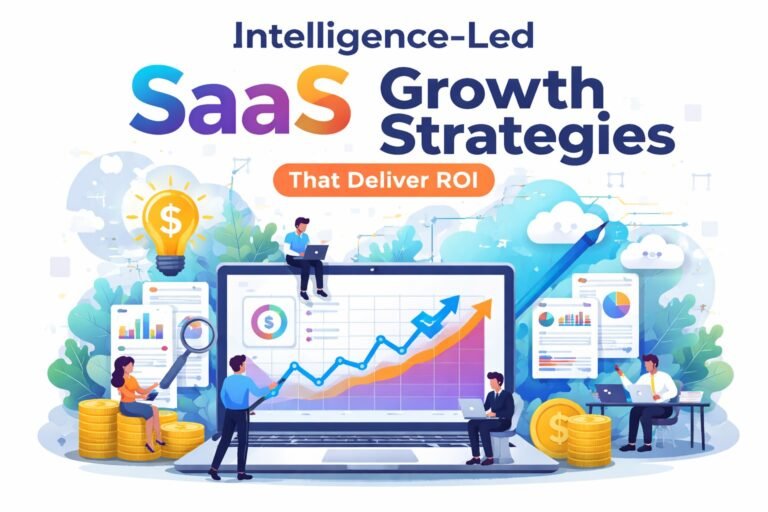
Moreover, AI enables real-time data analysis, allowing marketers to tweak their strategies on the fly. Whether adjusting ad placements or modifying content based on audience reactions, these responsive strategies can significantly enhance a campaign’s effectiveness. Consequently, organizations can allocate resources more efficiently, maximizing their return on investment (ROI). This shift from reactive to proactive marketing empowers businesses to stay ahead of the curve.
Additionally, the scalability of AI technologies means that even startups can leverage these advanced tools without overwhelming their resources. Cloud-based AI solutions democratize access to sophisticated marketing strategies, allowing smaller businesses to compete with industry giants. As companies adopt these technologies, the landscape of SaaS marketing continues to diversify, creating new opportunities for engagement and brand loyalty.
Key AI Tools Transforming SaaS Marketing Strategies
Several AI tools are revolutionizing how SaaS companies approach marketing. One of the most prominent is customer relationship management (CRM) software with integrated AI capabilities. These systems can automate lead scoring, track customer interactions, and provide insights that enhance sales strategies. By segmenting audiences based on behavior and preferences, CRM systems help marketers deliver tailored messages that resonate on a personal level.
Another key player is AI-driven content creation tools. These platforms utilize machine learning to generate blog posts, social media updates, and ad copy that align with brand voice and marketing goals. With the ability to analyze vast amounts of data, these tools can suggest topics that are trending in real-time, allowing marketers to stay relevant and engaging. This not only saves time but also ensures that content is aligned with audience interests.
Chatbots powered by AI are also transforming customer engagement. These virtual assistants provide immediate responses to customer inquiries, guiding potential buyers through the sales funnel. By analyzing interactions, chatbots can offer personalized product recommendations, making the customer journey smoother and more intuitive. As a result, organizations that invest in these AI tools can significantly enhance user experience and increase conversion rates.
Data-Driven Insights: The Backbone of AI Marketing
Data is the lifeblood of effective marketing strategies, and AI facilitates the gathering and analysis of this crucial resource. Advanced analytics platforms can process vast quantities of customer data, identifying trends and patterns that may not be immediately apparent. By leveraging these insights, SaaS companies can make informed decisions about their marketing strategies, ensuring that they target the right customers with the right messages.
Moreover, integrating AI with existing analytics tools allows for deeper insights into the customer journey. Marketers can understand how customers interact with their platforms, identifying pain points and opportunities for improvement. This level of analysis empowers organizations to refine their marketing efforts, optimizing their approach to convert leads into loyal customers.
Additionally, data-driven insights can inform pricing strategies and product development. By analyzing customer feedback and market trends, SaaS companies can adapt their offerings to better meet customer needs. This responsiveness not only enhances customer satisfaction but also positions businesses as leaders in their respective niches.
Personalization at Scale: Reaching Your Target Audience
Personalization has become a buzzword in marketing, and for good reason. AI offers the technological capabilities to deliver hyper-personalized experiences at scale. By analyzing individual user behavior, preferences, and demographics, AI can tailor marketing messages that resonate deeply with each segment of the audience. This individualized approach not only increases engagement but also drives higher conversion rates, as customers are more likely to respond to messages that feel relevant and personal.
One effective strategy for personalization is dynamic content delivery. AI can adjust website content in real-time based on user behavior, presenting relevant products or offerings tailored to individual preferences. This level of customization fosters a sense of connection between the brand and the consumer, enhancing the overall customer experience. As SaaS providers implement these AI-driven personalization strategies, they can build stronger relationships with their clients.
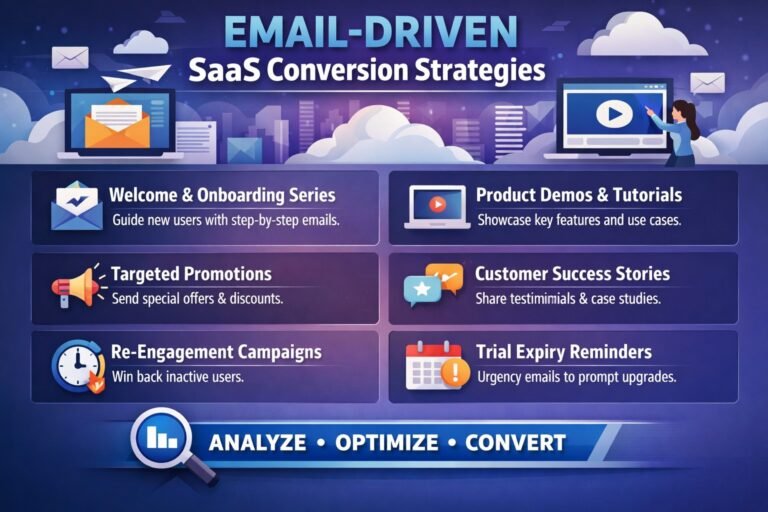
Furthermore, email marketing campaigns can benefit significantly from AI-enhanced personalization. By segmenting audiences and analyzing past behaviors, AI tools can recommend optimal sending times, subject lines, and content types. This level of sophistication ensures that marketing efforts are not only relevant but also engaging, leading to higher open and response rates.
Automating Customer Engagement with AI Technologies
AI-powered automation is transforming how SaaS companies engage with their customers, reducing manual efforts and enhancing efficiency. Automation tools allow for personalized outreach at scale, enabling organizations to nurture leads through targeted email campaigns, social media interactions, and more. By automating these processes, marketing teams can focus on strategy and creative initiatives while AI handles repetitive tasks.
Moreover, AI can predict customer behavior, enabling preemptive engagement strategies. For instance, if a user has not interacted with a product or service for a while, AI systems can trigger reminders or promotional offers to reignite interest. This proactive engagement strategy ensures that potential churn is minimized and customer relationships are maintained.
Chatbots, as mentioned earlier, are another critical component of customer engagement automation. Available 24/7, these virtual assistants can handle inquiries, provide information, and guide customers through purchasing processes. By integrating AI chatbots into their systems, SaaS companies can significantly enhance customer satisfaction and streamline operations.
Measuring Success: Metrics for AI-Powered Campaigns
To assess the effectiveness of AI-powered marketing strategies, organizations must establish relevant metrics that reflect their goals. Key performance indicators (KPIs) should include engagement rates, conversion rates, and customer retention metrics. These metrics help companies gauge the success of their campaigns in real time, allowing for timely adjustments to improve outcomes.
Additionally, measuring ROI is crucial in the assessment of AI marketing initiatives. By calculating the cost of implementing AI tools against the revenue generated, organizations can determine the financial viability of their strategies. This analysis is especially important for large enterprises, where budgets may be tighter and resources limited.
Furthermore, monitoring customer feedback and sentiment analysis provides valuable insights into how marketing efforts are perceived by the audience. AI tools can analyze social media mentions, review platforms, and customer surveys to gauge satisfaction levels. This information is vital for refining marketing strategies and ensuring that they align with customer expectations.
Case Studies: Companies Winning with AI Strategies
Several companies have successfully implemented AI-powered marketing strategies, showcasing the effectiveness of these technologies. For instance, Salesforce has integrated AI into its CRM platform, allowing users to predict customer behavior and personalize marketing efforts. By leveraging data analytics, Salesforce users have reported increased engagement rates and improved customer satisfaction.
Another notable example is HubSpot, which utilizes AI to enhance its content marketing strategies. By analyzing user interactions, HubSpot’s AI tools suggest topics and content formats that resonate with specific audiences. This approach has enabled HubSpot to drive significant traffic to its platform, ultimately translating into higher lead conversion rates.
Finally, Adobe’s use of AI in its marketing cloud services has allowed users to optimize ad placements and drive targeted campaigns. By leveraging machine learning algorithms, Adobe helps marketers allocate budgets effectively, ensuring that ad spend is directed toward the most profitable channels. These case studies highlight the tangible benefits that AI can bring to SaaS marketing strategies.
Future Trends: The Evolution of AI in SaaS Marketing
As AI technology continues to advance, the future of SaaS marketing looks brighter than ever. One emerging trend is the integration of AI with augmented reality (AR) and virtual reality (VR). These technologies hold the potential to create immersive customer experiences that engage users on a deeper level, allowing them to interact with products in innovative ways.
Additionally, the rise of voice search and smart assistants will necessitate a shift in marketing strategies. As consumers increasingly rely on voice-activated devices, SaaS marketers must adapt their content and messaging to align with this trend. Optimizing for voice search will become essential in ensuring visibility and engagement with potential customers.
Finally, ethical considerations surrounding AI will play a significant role in shaping the future of SaaS marketing. As organizations harness these powerful technologies, they must ensure transparency and fairness in their algorithms. This focus on ethical AI will not only build trust with consumers but also set companies apart in an increasingly competitive market.
In conclusion, AI-powered marketing strategies are no longer a luxury but a necessity for SaaS companies seeking to outperform their competitors. By leveraging advanced tools and data-driven insights, organizations can engage their audiences more effectively, personalize experiences, and automate customer interactions. As the landscape of marketing continues to evolve, embracing AI is the key to staying ahead in the competitive SaaS arena. The future is bright for those willing to innovate and adapt, paving the way for more impactful marketing strategies.
Meta Description: Discover how AI-powered marketing strategies can elevate your SaaS campaigns, improving customer engagement and outperforming competitors.
Tags: SaaS, AI Marketing, Digital Strategy, Customer Engagement, Automation, Personalization, Data Analytics, Marketing Tools, Competitive Advantage, Future Trends
Hashtags: #AIMarketing #SaaS #DigitalTransformation #CustomerEngagement #FutureTrends