Loyalty-Optimized SaaS Retention Tactics That Work
In Software as a Service, retaining customers is as crucial as acquiring them. With fierce competition and increasing customer expectations, businesses must adopt loyalty-optimized strategies that enhance user experience and drive retention. This article explores various tactics such as Loyalty-Optimized SaaS Retention that can significantly improve customer loyalty, ensuring that your SaaS offering not only meets but exceeds user expectations. By focusing on effective retention metrics, onboarding processes, personalized experiences, community building, and more, organizations can create a sustainable model for customer loyalty that leads to long-term success.
Understanding the Importance of SaaS Customer Loyalty
Customer loyalty in the SaaS sector is more than just a buzzword; it is a critical factor that influences the overall health and profitability of a business. Loyal customers are not only more likely to renew their subscriptions but are also a source of invaluable word-of-mouth marketing. The cost of acquiring new customers generally exceeds that of retaining existing ones, making loyalty a cornerstone of sustainable growth. Companies that prioritize loyalty often find themselves with a more stable revenue stream and lower churn rates, which in turn enhances their market position.
Moreover, loyal customers often engage more deeply with the product, discovering new features and functionalities that they might not have explored otherwise. This deeper engagement leads to an enriched user experience, resulting in higher satisfaction levels. By fostering loyalty, SaaS companies can create advocates who promote the brand within their networks, amplifying marketing efforts without additional costs. Consequently, the importance of building and maintaining strong customer relationships cannot be overstated; it serves as a foundation for innovation and improved service delivery.
Lastly, focusing on customer loyalty enables businesses to gather critical insights into user behavior and preferences. These insights can inform product development and marketing strategies, allowing organizations to tailor their offerings to better meet customer needs. In a landscape where customer expectations are continually shifting, understanding what drives loyalty can give SaaS companies a competitive edge. Therefore, investing in loyalty strategies is not just beneficial, it is essential for long-term success in the SaaS ecosystem.
Key Retention Metrics Every SaaS Business Should Track
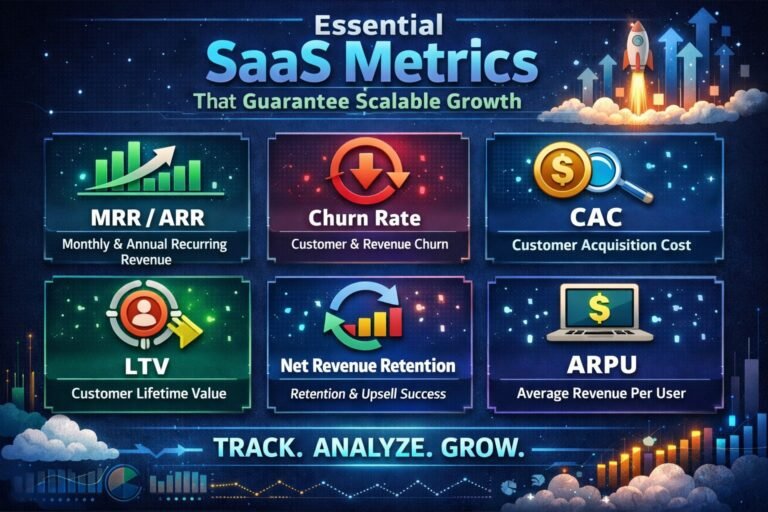
When it comes to understanding customer loyalty, tracking the right metrics is crucial. One of the most important metrics is the Customer Retention Rate (CRR), which measures the percentage of customers that a company retains over a specified period. A high CRR indicates that customers are satisfied with the product and find it valuable enough to continue their subscriptions. Conversely, a declining CRR may signal underlying issues that need immediate attention.
Another vital metric is the Net Promoter Score (NPS), which gauges customer satisfaction and loyalty based on their likelihood to recommend your service to others. A high NPS usually correlates with strong customer loyalty, while a low score can provide insights into areas needing improvement. Tracking NPS over time can help businesses identify trends and take proactive measures to enhance user satisfaction.
Churn Rate is another key metric that SaaS companies must monitor closely. This indicates the percentage of customers who discontinue their subscriptions within a given timeframe. Understanding the reasons behind churn can provide actionable insights that inform retention strategies. By segmenting churn data, businesses can identify specific patterns and develop targeted solutions for different customer groups. Together, these metrics provide a comprehensive view of customer loyalty, enabling organizations to make data-driven decisions to enhance retention.
Effective Onboarding Strategies to Enhance User Experience
The first impression is often the last, especially in the SaaS industry. An effective onboarding process is crucial for setting the tone for the customer experience. A well-structured onboarding strategy ensures that users understand how to navigate the software and utilize its features effectively. This not only enhances user satisfaction but also increases the likelihood of long-term engagement. Companies should invest in creating intuitive onboarding experiences that guide users through key functionalities, making them feel confident and empowered.
Interactive tutorials, walkthroughs, and checklists can significantly enhance the onboarding experience. By incorporating multimedia elements, such as videos and infographics, companies can provide a richer learning experience that caters to various learning styles. Offering personalized onboarding sessions or dedicated customer success managers can further humanize the experience, making new users feel valued and supported. These strategies not only improve initial user satisfaction but also help in reducing early-stage churn.
Finally, it is essential to gather feedback during the onboarding phase. By soliciting input from new users about their experience, companies can gain insights into potential weaknesses in the onboarding process. Continuous improvement based on user feedback allows businesses to refine their onboarding experience over time, fostering a culture of adaptation and responsiveness. A seamless onboarding experience can set the stage for a loyal customer relationship, making it an indispensable component of SaaS retention strategies.
Creating Personalized Customer Experiences to Boost Loyalty
Personalization is a powerful tool that can significantly enhance customer loyalty in the SaaS space. When users feel that a product has been tailored to meet their unique needs, they are more likely to engage with it consistently. By leveraging data analytics, companies can offer personalized experiences that resonate with individual users. This can range from customized dashboards to tailored feature recommendations that align with their usage patterns and business goals.
Segmentation is another key aspect of personalization. By dividing customers into groups based on specific attributes or behaviors, businesses can create targeted communications and offers that address the unique needs of each segment. For instance, organizations can send relevant content, feature updates, or promotions that align with their specific interests, thereby boosting engagement and loyalty. A well-executed segmentation strategy can transform generic marketing efforts into meaningful interactions, which can significantly enhance customer satisfaction.
Furthermore, personalized customer experiences should extend beyond the initial stages of engagement. Continuous personalization through ongoing interactions—such as follow-up emails, personalized check-ins, and tailored support—can reinforce the value of the product over time. By making customers feel understood and valued, businesses can cultivate a strong emotional connection that fosters long-term loyalty. In a world where personalization is increasingly expected, SaaS companies must prioritize this aspect of their customer engagement strategy.
Utilizing Feedback Loops for Continuous Improvement
Establishing effective feedback loops can greatly enhance SaaS retention efforts. By regularly soliciting feedback from customers, companies can gain valuable insights into the user experience, identifying areas for improvement. This two-way communication fosters a sense of collaboration, making customers feel involved in the product development process. Companies that actively seek and act upon customer feedback demonstrate their commitment to continuous improvement and customer satisfaction.
There are several ways to implement feedback loops. Surveys and questionnaires can be distributed at various touchpoints, enabling customers to share their thoughts on specific features or overall satisfaction. Additionally, companies can use tools like Net Promoter Score (NPS) surveys to measure customer sentiment over time. Analyzing this data can highlight trends, enabling businesses to identify potential pain points and proactively address them.
Moreover, incorporating feedback into product development can lead to innovations that resonate with customers. By prioritizing features or improvements that customers express interest in, businesses can align their offerings with market demands. This not only enhances user experience but also fosters customer loyalty, as users see their suggestions reflected in the product. A robust feedback loop is crucial for any SaaS organization aiming to adapt and thrive in a competitive environment.
The Role of Community Building in SaaS Retention
Building a strong community around your SaaS product can serve as a powerful retention tool. A thriving community creates a sense of belonging among users, enabling them to connect with one another and share their experiences. This shared knowledge enhances user engagement and encourages collaboration, making customers feel more invested in the product. Providing platforms for discussion, such as forums, social media groups, or webinars, can facilitate these interactions and foster a loyal user base.
Moreover, a community can serve as a valuable resource for customer support. When customers can turn to their peers for assistance and guidance, it reduces the pressure on customer support teams and fosters a collaborative atmosphere. User-generated content, such as tutorials or case studies, can also provide additional value, enhancing the overall customer experience. By empowering customers to share their insights, companies can create a rich source of content that benefits the entire community.
Lastly, investing in community-building initiatives can lead to brand advocacy. Satisfied users are more likely to become advocates who promote your product within their networks. By cultivating a positive community experience, organizations can turn loyal customers into powerful brand ambassadors, driving organic growth. Ultimately, community building not only enhances customer retention but also contributes to the overall success of the SaaS business.
Leveraging Data Analytics to Predict Churn Rates
Data analytics plays a crucial role in predicting churn rates, allowing SaaS companies to take proactive measures to improve customer retention. By analyzing user behavior, businesses can identify patterns that may indicate a risk of churn. For instance, if users are logging in less frequently or not engaging with critical features, it may signal declining interest. By leveraging predictive analytics tools, companies can track these metrics and take action before customers decide to leave.
Moreover, segmentation allows for more granular analysis of churn rates. By grouping users based on specific attributes or behaviors, companies can pinpoint which segments are at higher risk of churn. For example, new users may have a different churn profile compared to long-term subscribers. Understanding these nuances enables businesses to tailor their retention strategies to address the unique challenges of each segment, ultimately reducing overall churn rates.
Lastly, combining predictive analytics with targeted interventions can yield significant results. Once a potential churn risk is identified, companies can implement specific retention strategies, such as personalized offers, re-engagement campaigns, or enhanced support. This proactive approach not only helps in retaining customers but also strengthens the overall relationship between the business and its users. By utilizing data analytics effectively, SaaS companies can foster a culture of continuous improvement and customer satisfaction.
Innovative Incentives to Keep Your Customers Engaged
Offering innovative incentives can be a game-changer in retaining SaaS customers. While discounts and loyalty programs are common, more creative approaches can significantly enhance customer engagement. For instance, gamification elements can be introduced, where users earn points or rewards for completing specific tasks or engaging with the product. This not only makes the experience more enjoyable but also fosters continued use of the software.
Referral programs are another effective incentive mechanism. By rewarding users for bringing in new customers, businesses can leverage their existing user base to drive growth. This not only incentivizes current customers but also builds a larger community around the product. Offering tiered rewards based on the number of referrals can further motivate users to promote the product actively.
Finally, exclusive access to features, early product releases, or premium content can serve as powerful incentives for loyal customers. By making them feel special and valued, businesses can reinforce their commitment to customer satisfaction. These innovative approaches not only help in retaining existing customers but also create a vibrant ecosystem that fosters loyalty and advocacy. By thinking outside the box, SaaS companies can create compelling incentives that keep users engaged and invested in the product.
In conclusion, building customer loyalty in the SaaS industry is an ongoing process that requires a multifaceted approach. From understanding the importance of retention metrics to implementing effective onboarding strategies and leveraging data analytics, each element plays a vital role in fostering long-term relationships with customers. By creating personalized experiences, utilizing feedback loops, and building communities, SaaS businesses can significantly enhance their chances of retaining customers. Ultimately, the stakes are high in the competitive SaaS landscape, making it imperative for organizations to adopt loyalty-optimized retention tactics that work.
Hashtags: #SaaS #CustomerLoyalty #RetentionStrategies #DataAnalytics #CommunityBuilding