
High-Converting SaaS Trial Conversion Strategies That Work
In SaaS, converting trial users into paying customers is crucial for sustained growth. A free trial serves as an essential touchpoint that enables potential clients to experience the value of a product firsthand. However, many organizations struggle to effectively transition these trial users into loyal, paying customers. This article explores SaaS Trial Conversion Strategies that can significantly enhance SaaS trial conversion rates, ensuring that businesses not only attract users but also retain them in the long term.
Understanding the Importance of SaaS Trial Conversion Rates
Trial conversion rates are a key performance indicator for SaaS businesses, representing the percentage of trial users who ultimately become paid subscribers. A high conversion rate signifies that the product meets user expectations and solves their problems effectively. Conversely, low conversion rates can indicate that users are not finding sufficient value in the offering, which can lead to wasted marketing resources and a dwindling customer base. Understanding this metric enables organizations to identify areas needing improvement.
Additionally, high trial conversion rates contribute to the overall lifetime value of a customer (LTV), which is essential for financial forecasting and resource allocation. When businesses focus on optimizing their trial processes, they not only boost immediate revenue but also cultivate a loyal customer base that can provide ongoing feedback and referrals. These referrals can serve as a cost-effective marketing channel, driving further growth for the organization.
Moreover, the reputation of a SaaS company can hinge on its ability to convert trial users. When potential customers see high conversion rates, they are likely to perceive the service as valuable and reliable. This perception can foster trust and goodwill, which are crucial in an era where consumers have countless options at their fingertips. Businesses must focus on maximizing trial conversion rates to create a sustainable growth model.
Key Metrics to Monitor During the Trial Period
To effectively analyze trial conversion rates, several key metrics should be monitored throughout the trial period. First and foremost, user engagement metrics, such as the number of logins and time spent in the application, offer insights into how actively users are exploring the features of the product. Highly engaged users are more likely to convert, prompting organizations to create strategies that encourage consistent use.
Another vital metric is the feature usage rate. By tracking which features are utilized most frequently, businesses can identify which aspects of their service resonate with users. This data can inform future marketing strategies and product improvements, helping organizations to highlight the most valuable features during the onboarding and follow-up processes.
Lastly, customer feedback scores, gathered through surveys or direct communication, can provide invaluable insights into users’ sentiment during the trial period. Understanding users’ pain points and preferences enables companies to make data-driven decisions that can enhance the user experience and ultimately lead to higher conversion rates. Monitoring these metrics will allow organizations to pivot their strategies effectively, ensuring they are meeting the needs of their trial users.
Effective Onboarding Techniques for New Users
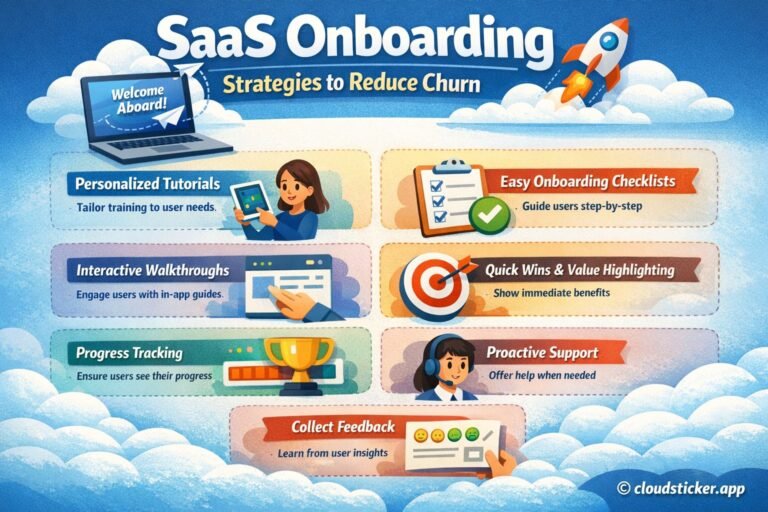
Effective onboarding is critical for maximizing trial conversion rates. A seamless onboarding process helps users understand how to navigate the software and leverage its features for their specific needs. One practical approach is to create personalized onboarding experiences tailored to different user personas. By addressing the unique goals and challenges of each persona, organizations can ensure that users grasp the value of the product from the outset.
Another technique is to implement guided tours or interactive walkthroughs that highlight key functionalities. These tours can engage users by providing context and demonstrating the software’s potential use cases. By visually showcasing how to perform essential tasks within the platform, users are more likely to feel empowered and less overwhelmed by the learning curve, translating into higher retention and conversion rates.
Finally, providing readily accessible resources, such as video tutorials, FAQs, and customer support channels, can significantly improve the onboarding experience. Users are more likely to convert if they know they have access to assistance when needed. By proactively addressing potential hurdles during the trial period, organizations can create a positive first impression, setting the stage for a successful transition to paid subscriptions.
Crafting Compelling Calls to Action for Trials
A compelling call to action (CTA) is a pivotal component of a successful trial conversion strategy. CTAs guide users toward taking specific actions, whether it’s completing onboarding steps or upgrading to a paid plan. To foster a sense of urgency, businesses can employ time-limited offers or discounts, encouraging users to take prompt action before the trial expires.
Additionally, the language used in CTAs should be clear and persuasive. Phrases like “Start your journey today” or “Unlock premium features now” can create excitement and prompt users to engage more deeply with the product. Furthermore, strategically placing CTAs at critical points in the user experience, such as after completing a significant task or achieving a milestone, can effectively nudge users toward conversion.
Finally, A/B testing different CTA formats and placements is essential for optimizing performance. By analyzing user behavior and conversion rates for various approaches, businesses can identify which CTAs resonate most with their audience. Continuous testing and refinement of CTAs will lead to better results over time, ultimately enhancing trial conversion rates.
Personalization: Tailoring the Experience for Users
Personalization is a powerful strategy that can significantly impact trial conversion rates. By tailoring the user experience based on individual preferences and behaviors, organizations can create a more relevant and engaging journey. Personalization can be as simple as customizing welcome messages or providing recommendations based on user activity. Such targeted interactions can make users feel valued and understood.
Another effective personalization strategy involves segmenting users based on their industry, company size, or specific use cases. By delivering content and features that align with these segments, organizations can ensure that users receive relevant information that resonates with their unique needs. This can lead to a more meaningful experience, increasing the likelihood of conversion.
Moreover, utilizing data analytics to track user behavior and preferences enables organizations to refine their personalization strategies continuously. By leveraging insights gathered from user interactions, companies can adapt their approaches promptly, ensuring that the experience remains fresh and tailored. Personalization not only enhances user engagement but also fosters brand loyalty, ultimately driving conversions.
Using Data Analytics to Improve Conversion Strategies
Data analytics plays a crucial role in optimizing trial conversion strategies. By aggregating and analyzing user data, businesses can uncover patterns that inform their conversion tactics. For instance, understanding the most common drop-off points in the trial journey can help organizations identify areas where users may be struggling and need additional support.
Additionally, analyzing demographic information can provide insights into which segments are converting well and which are not. By focusing marketing efforts on high-potential audiences while refining strategies for underperforming segments, organizations can enhance their overall conversion rates. The ability to make data-driven decisions empowers businesses to allocate resources more effectively, leading to increased ROI.
Furthermore, leveraging predictive analytics can enable organizations to forecast conversion outcomes based on historical data. By identifying trends and patterns, businesses can proactively adjust their strategies to maximize conversion rates. Investing in robust analytics tools is essential for organizations aiming to stay competitive in the SaaS landscape.
Leveraging Customer Feedback for Continuous Improvement
Customer feedback is an invaluable resource for refining trial conversion strategies. Actively soliciting feedback from trial users through surveys or interviews can provide insights into their experiences and identify areas for improvement. Understanding users’ pain points and what they appreciate about the product helps organizations make informed adjustments that can enhance overall satisfaction.
Additionally, leveraging feedback can inform product development. By aligning product features with users’ needs, businesses can create offerings that resonate more effectively with their target audience. This alignment ensures that the product not only meets current user expectations but also anticipates future needs, setting the stage for higher conversion rates.
Moreover, showcasing how customer feedback has led to tangible improvements can foster trust and loyalty. By communicating changes based on user input, organizations demonstrate that they value their customers’ opinions. Engaging with users in this manner can enhance the trial experience, ultimately boosting conversion rates and fostering long-term relationships.
Strategies for Retaining Customers Beyond the Trial
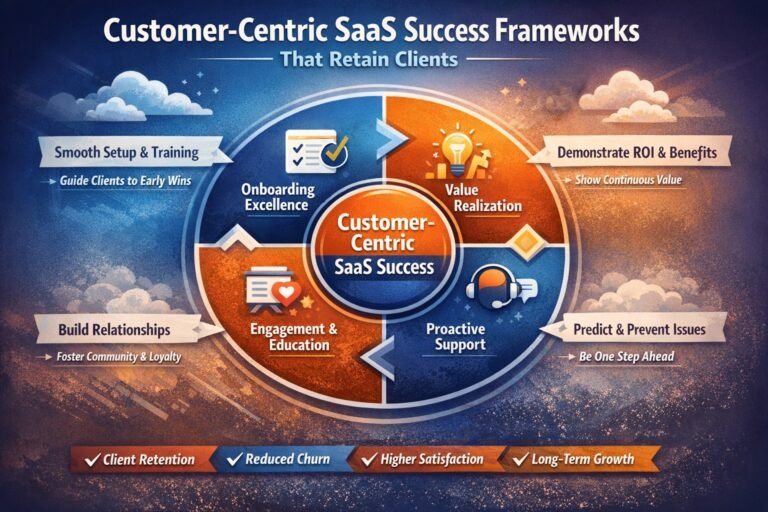
Once users convert from trial to paid subscriptions, the focus must shift to retention. Effective retention strategies are crucial for maximizing the lifetime value of each customer. One key approach is to maintain ongoing communication with customers, providing them with regular updates on product enhancements and new features. This continuous engagement helps users feel connected to the brand and aware of its evolving value.
Another effective retention strategy is implementing a robust customer support system. Offering accessible and responsive support reinforces user confidence in the product and encourages them to seek help when needed. Consider integrating support channels such as live chat, dedicated account managers, and comprehensive knowledge bases to accommodate various customer preferences.
Finally, fostering a community for users can enhance retention rates. By creating forums, online groups, or user events, organizations can cultivate a sense of belonging and encourage customers to share experiences. This community dynamic not only strengthens user engagement but also provides opportunities for cross-selling and upselling, further enhancing customer retention.
Conclusion – High-Converting SaaS Trial Conversion Strategies That Work
optimizing SaaS trial conversion rates requires a multifaceted approach that combines effective onboarding, personalized experiences, data-driven strategies, and ongoing customer engagement. By implementing these high-converting strategies, organizations can significantly enhance their trial to paid conversion rates, fostering long-term loyalty and maximizing revenue. As the SaaS landscape continues to evolve, companies that prioritize trial conversions will be well-positioned for sustainable growth.
Hashtags: #SaaS #CustomerSuccess #TrialConversion #DataAnalytics #Onboarding