Engagement-Driven SaaS Customer Strategies That Convert
Engagement is the lifeblood of any Software as a Service (SaaS) company. In a highly competitive landscape, where customers have endless choices, engagement-driven strategies are essential for turning leads into long-term users. This article Engagement-Driven SaaS Customer Strategies That Convert will explore how effective engagement strategies can significantly boost conversion rates, enhance customer satisfaction, and drive business growth. You’ll discover the importance of customer engagement, key metrics to track, and actionable approaches to implement in your SaaS business.
Understanding Engagement-Driven Strategies for SaaS Success
Engagement-driven strategies focus on building meaningful relationships with customers by keeping them actively involved with your product. Unlike traditional sales-focused approaches, these strategies emphasize ongoing interaction and value delivery. The objective is to ensure that users not only adopt your service but also derive continuous benefits from it, which ultimately leads to greater retention and loyalty.
To implement engagement-driven strategies effectively, SaaS businesses must adopt a multi-faceted approach. This includes optimizing customer touchpoints, offering personalized content, and creating opportunities for user feedback. By doing so, companies can better understand customer needs and adjust their offerings accordingly. Engaging customers through webinars, tutorials, and community forums can also enhance product understanding and usage, fostering a sense of belonging among users.
Moreover, establishing a clear customer journey map is vital. This visual representation of the user experience helps identify engagement opportunities at each stage, from onboarding to renewal. By understanding the customer’s path, SaaS companies can craft targeted strategies that resonate with their audience, therefore increasing the likelihood of conversion and long-term satisfaction.
The Importance of Customer Engagement in SaaS Growth
Customer engagement is not just a buzzword; it is an essential component of sustainable growth for SaaS companies. Engaged customers are more likely to use your product regularly, provide feedback, and advocate for your brand. This behavior translates to lower churn rates and higher customer lifetime value (CLV), making engagement a critical metric for success.
In an era where users are inundated with choices, an engaged user base can set your SaaS company apart. Studies show that companies with high customer engagement see a 20-40% increase in revenue. This increase is often due to upselling and cross-selling opportunities facilitated by trust and satisfaction. Engaged customers are more willing to explore additional features and services, thereby contributing to a more robust revenue stream.
Furthermore, engaged customers often become brand advocates, sharing their positive experiences through word-of-mouth and social media. This organic promotion can significantly reduce customer acquisition costs and lead to a steady influx of new users. Therefore, investing in customer engagement strategies is not just beneficial—it’s a necessity for long-term growth and market presence.
Key Metrics to Measure Engagement Effectiveness
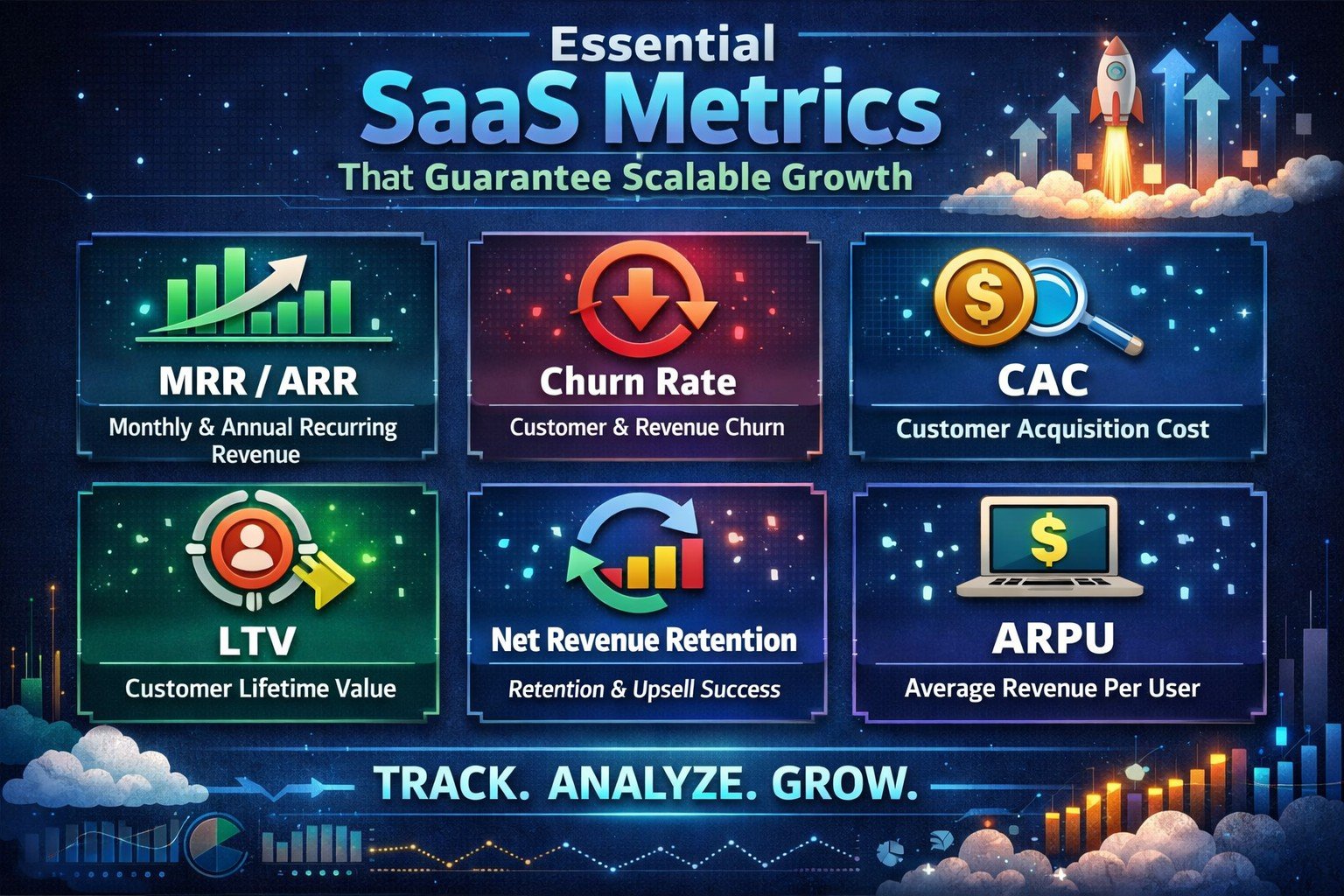
To ensure that your engagement strategies are yielding favorable results, it’s crucial to track key metrics. These metrics provide insights into customer behavior, allowing you to adjust your strategies as needed. Commonly tracked metrics include Customer Engagement Score (CES), Net Promoter Score (NPS), and churn rate. Each of these metrics offers a unique perspective on how well your engagement strategies are performing.
Customer Engagement Score (CES) gauges the overall interaction level users have with your product, while Net Promoter Score (NPS) measures customer satisfaction and loyalty. A low NPS can indicate that your customers are not fully engaged, prompting you to investigate further. Churn rate, on the other hand, directly reflects the effectiveness of your engagement efforts. A declining churn rate often signifies that your customers are finding value and choosing to stick around.
By regularly reviewing these metrics, organizations can pinpoint areas for improvement. For instance, if you’re noticing a rising churn rate, it may be time to enhance your onboarding process or to solicit more user feedback. The ability to adapt based on data is what separates successful SaaS companies from their competitors.
Personalization: The Heart of SaaS Customer Strategies
Personalization is a powerful tool in the SaaS landscape, offering a way to tailor experiences to individual customer needs. By utilizing user data, your SaaS company can create a customized experience that resonates with each user. From personalized onboarding processes to targeted content recommendations, personalized strategies enhance user experience and foster loyalty.
Effective personalization begins with a deep understanding of your user base. This involves segmenting users based on their behavior, preferences, and needs. By leveraging customer data analytics, you can create personas that guide your product development and marketing strategies. For example, if a particular segment shows a preference for specific features, you can tailor your communications to highlight those functionalities.
Additionally, personalized outreach can significantly improve engagement rates. Automated email campaigns that provide customized tips or resources based on user behavior can keep customers engaged over time. By regularly connecting with users in ways that matter to them, you can build a stronger relationship and increase satisfaction, resulting in higher conversion rates.
Leveraging Data Analytics to Enhance Customer Experience
In the digital age, data is an invaluable asset. For SaaS companies, leveraging data analytics can provide insights into user behavior that directly inform engagement strategies. By utilizing tools that analyze user interaction, businesses can identify patterns that reveal how customers use their products, what features they value most, and where they struggle.
Implementing a robust analytics strategy allows SaaS companies to collect and analyze data from various sources, including user activity, feedback, and customer support interactions. This comprehensive view can help identify pain points, allowing teams to proactively address issues before they lead to churn. For instance, if analytics reveal a drop-off in usage after a specific feature was launched, it may indicate that the feature is not user-friendly or lacks sufficient support materials.
Moreover, data-driven insights can enhance product development. By identifying trends in user needs, companies can prioritize features that align with customer expectations, ensuring that their offerings remain relevant and valuable. Ultimately, leveraging data analytics is about creating a continuous loop of feedback and improvement, enhancing the overall customer experience and fostering long-term loyalty.
Building Community: Fostering Connections Among Users
Creating a sense of community among users can significantly enhance engagement levels. When customers feel connected to others who share similar interests and challenges, they are more likely to utilize your product regularly. Building forums, social media groups, or user meet-ups can foster these connections, turning your user base into a vibrant community.
Community-driven engagement strategies can include hosting webinars, where users can share their experiences and tips. Encouraging users to participate in discussions not only helps them learn from one another but also keeps them engaged with your brand. Additionally, featuring customer success stories can inspire others to achieve similar results, further embedding your product in their daily operations.
Moreover, fostering community can lead to valuable feedback loops. Active users are often willing to share their thoughts on future product developments, which can inform your roadmap. By creating a platform that encourages open discussion, your company will not only enhance user satisfaction but also create advocates who are passionate about your brand.
Effective Onboarding Processes to Boost Retention Rates
A well-structured onboarding process is vital for retaining customers in the SaaS environment. The first experience a user has with your product can significantly influence their likelihood of continued engagement. An effective onboarding strategy should not only familiarize users with how to use your product but also demonstrate its value right away.
To create an impactful onboarding experience, consider a step-by-step approach. Start by simplifying the signup process and providing clear instructions on how to navigate the platform. Interactive tutorials or personalized walkthroughs can help users understand the features and functionalities better. Providing immediate value through quick wins—such as simple tasks that lead to visible outcomes—can also enhance user satisfaction from the outset.
Regular check-ins during the initial phase can further reinforce the onboarding experience. Automated emails or in-app messages can guide users as they explore your product, reminding them of available resources and encouraging them to reach out for support. By prioritizing a smooth onboarding process, you not only enhance the user experience but also lay the groundwork for higher retention rates.
Continuous Feedback Loops: Enhancing Engagement Over Time
Continuous feedback loops are essential for maintaining and enhancing customer engagement over time. By regularly soliciting user feedback, you can gauge satisfaction levels and identify areas for improvement. This iterative process fosters a collaborative relationship between your company and its users, keeping them engaged and invested in your product.
To implement effective feedback loops, utilize surveys, interviews, or user testing sessions. Tools such as Net Promoter Score (NPS) or Customer Satisfaction Score (CSAT) can provide quantitative measures of user sentiment. However, consider complementing these with qualitative insights to gain a deeper understanding of customer experiences. Engaging customers in discussions about their needs and challenges can yield valuable information for product development.
Once feedback is collected, it is crucial to act on it. Communicating to users about the changes you’ve made in response to their feedback demonstrates that you value their opinions, fostering a sense of partnership. Moreover, showcasing how user input has shaped your product can enhance community engagement, encouraging more customers to share their thoughts. Continuous feedback loops ensure that your SaaS offerings remain aligned with customer expectations, driving both engagement and satisfaction over the long term.
In conclusion, engagement-driven strategies are vital for the success of SaaS companies in an increasingly competitive environment. By focusing on personalization, data analytics, community building, effective onboarding, and continuous feedback, organizations can significantly enhance customer satisfaction and retention rates. Implementing these strategies can lead to increased conversions and long-term growth, helping your SaaS company stand out in a crowded marketplace.
Meta Description
Explore engagement-driven SaaS customer strategies that enhance conversions, boost retention, and foster long-term growth through personalized experiences and community building.
Tags
SaaS, customer engagement, retention strategies, data analytics, onboarding processes, user feedback, personalization, community building, growth strategies, enterprise software
Hashtags
SaaS #CustomerEngagement #RetentionStrategies #DataAnalytics #CommunityBuilding