Proven SaaS Marketing Tactics That Drive Explosive Conversions
In the fast-evolving world of Software as a Service (SaaS), companies face unique challenges in marketing their products while converting leads into dedicated customers. With competition at an all-time high, it is important to employ strategic marketing tactics that not only generate leads but also drive explosive conversions. In this article, we will explore proven SaaS marketing strategies that can help you reach and exceed your conversion goals. From understanding the landscape to optimizing pricing strategies, the following insights will empower you to make informed decisions and boost your SaaS growth.
Understanding the SaaS Landscape for Better Marketing Tactics
To effectively market a SaaS product, it is crucial to understand the unique dynamics of the SaaS landscape. This sector is characterized by recurring revenue models, subscription-based pricing, and a heavy reliance on customer retention. Hence, marketing strategies must focus on building long-term relationships rather than just one-time sales. Understanding these nuances helps in crafting targeted campaigns that resonate with the needs and pain points of potential customers.
A key aspect of the SaaS landscape is the buyer’s journey, which typically involves multiple stages, from awareness through consideration to decision-making. Each stage requires tailored messaging and touchpoints. For instance, while prospects are in the awareness stage, educational content such as whitepapers, blogs, and webinars can capture their interest. As they move to the consideration stage, case studies and product demos become essential for illustrating how your solution addresses their specific challenges.
Moreover, understanding the competitive landscape is crucial. Conducting a thorough analysis of competing products can provide insights into their strengths and weaknesses. This allows your marketing team to differentiate your offerings effectively, spotlighting unique features and benefits that set your SaaS solution apart in a crowded marketplace.
Crafting Compelling Value Propositions That Convert
A compelling value proposition is at the heart of any successful SaaS marketing strategy. It clearly articulates the unique benefits your software delivers to customers, addressing their pain points, needs, and desires. To craft a strong value proposition, begin by identifying what makes your product truly unique. This could range from innovative features to superior customer support or pricing models that offer added value.
Once you have identified your unique selling points, it is essential to present them concisely and clearly. A good value proposition should be easily digestible in just a few sentences. Use language that resonates with your target audience. For example, if your software saves users time, emphasize how it allows them to focus on more strategic tasks instead of mundane ones. This direct benefit-driven messaging can significantly enhance conversion rates.
Lastly, make sure your value proposition is prominently displayed across various marketing channels, from your website to social media platforms. Consistent messaging reinforces your brand’s identity and helps establish trust with potential customers. Incorporating visuals, such as infographics or videos, can also make your value proposition more engaging and memorable, aiding in conversion efforts.
Leveraging Data Analytics for Targeted Campaigns
Data analytics plays a vital role in refining your SaaS marketing strategies and driving conversions. By analyzing user behavior and preferences, you can tailor your marketing campaigns to address specific customer segments more effectively. For instance, utilizing tools such as Google Analytics allows you to track user interactions with your website and identify which content drives the most engagement and conversions.
Segmentation is a key component of data-driven marketing. By segmenting your audience based on factors such as industry, company size, or behaviors, you can create highly targeted campaigns that speak directly to your audience’s needs. For example, if your software serves different industries, tailor your messaging to showcase how it meets the unique needs of each sector. This approach not only enhances user engagement but also increases the likelihood of conversions.
Moreover, employing A/B testing becomes essential in this context. By experimenting with different versions of your marketing materials or landing pages, you can gather valuable insights into which versions yield the highest conversion rates. This iterative process allows for continuous improvement, ensuring that your marketing strategies remain effective and relevant in a rapidly changing digital landscape.
Building Trust with Social Proof and Customer Testimonials
Trust is a crucial element in the SaaS buying journey, and leveraging social proof can significantly enhance your credibility. Customer testimonials, case studies, and user reviews act as powerful endorsements of your product. When potential customers see that others have successfully used and benefited from your software, they are more likely to trust your brand.
For effective implementation, prominently feature testimonials on your website and in marketing materials. Video testimonials can be particularly impactful as they convey authenticity and allow potential customers to connect with real users. Highlighting notable achievements or positive outcomes from existing customers can demonstrate the tangible benefits of your software, making it more relatable.
Additionally, consider integrating user-generated content and reviews from third-party platforms. This not only diversifies your content but also provides an unbiased perspective on your product. By showcasing a robust portfolio of social proof, you create a compelling narrative that addresses potential objections and reinforces the value of your offering.
Optimizing Pricing Strategies for Maximum Conversions
Pricing strategies can make or break a SaaS company’s ability to convert leads into paying customers. It is essential to find a balance between perceived value and affordability. Conducting market research to understand competitors’ pricing and your target audience’s willingness to pay can inform your pricing model. Options such as tiered pricing can cater to different segments, from startups to enterprise-level clients, enhancing accessibility.
Transparent pricing is another crucial factor. Clearly outlining what each pricing tier includes can help potential customers make informed decisions. Additionally, offering a free trial or freemium model allows users to experience the value of your software before committing financially. This tactic can significantly reduce the perceived risk associated with new software investments, leading to higher conversion rates.
Regularly revisiting your pricing strategies based on market trends and customer feedback is vital for long-term success. Consider implementing periodic surveys to gather insights on pricing perceptions and willingness to pay. By staying agile and responsive to market dynamics, you can optimize your pricing strategy to maximize conversions continually.
Enhancing User Experience Through Effective Onboarding
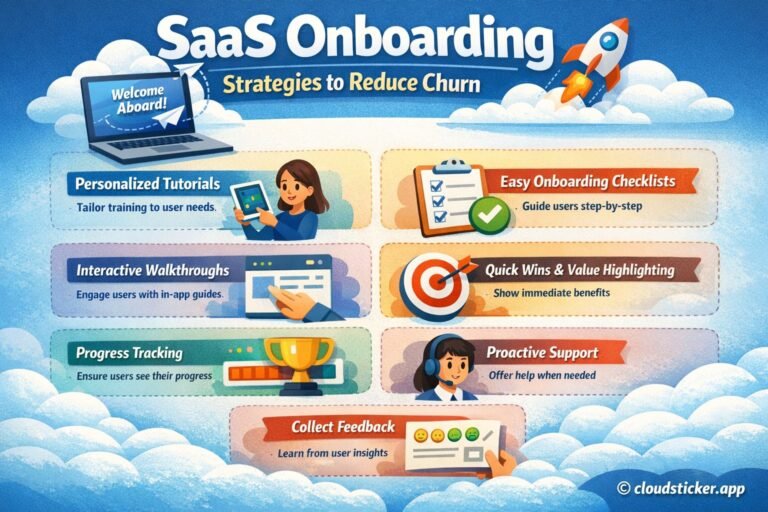
Effective onboarding is critical in reducing churn rates and ensuring that new customers quickly realize the value of your SaaS product. A seamless onboarding experience can significantly influence a user’s decision to remain engaged with your software. Start by designing a structured onboarding process that guides users through key features and functionalities. Interactive tutorials and walkthroughs can make this process engaging and informative.
Additionally, consider incorporating personalized onboarding experiences. Tailoring the onboarding process based on the user’s role, industry, or specific needs can create a more relevant experience. This approach not only helps users understand how to utilize the software effectively but also fosters a sense of connection with the brand.
Regularly soliciting feedback during and after the onboarding process is essential. This feedback loop can provide insights into areas where users may struggle, enabling you to refine your onboarding materials. By continuously improving the onboarding experience, you encourage users to integrate your software into their daily workflows, increasing the likelihood of long-term retention and conversions.
Utilizing Email Marketing for Higher Engagement Rates
Email marketing remains one of the most effective tools for SaaS companies looking to boost engagement and conversions. The key is to create a well-defined email marketing strategy that caters to different stages of the customer journey. Start by segmenting your email lists based on user behavior, preferences, and demographics to ensure that your messaging is relevant and targeted.
Craft compelling email content that addresses the specific needs of your audience. Whether it’s nurturing leads with educational content or engaging existing customers with product updates and tips, each email should provide value. Incorporating personalization elements, such as addressing recipients by their first names or tailoring content based on their usage patterns, can significantly enhance engagement rates.
Automation can be a game-changer in your email marketing efforts. Utilizing automated workflows allows you to send timely and relevant emails based on user actions or milestones. For instance, you could set up a welcome series for new users, follow-up emails after a trial period, or re-engagement campaigns for inactive users. By delivering the right message at the right time, you can effectively guide users toward conversions.
A/B Testing Strategies to Fine-Tune Your Approach
A/B testing is an invaluable strategy for SaaS marketers aiming to optimize their campaigns and boost conversions. This method involves comparing two versions of a marketing asset—be it an email, landing page, or even an ad—to determine which one performs better. By testing various elements such as headlines, visuals, call-to-action buttons, and layouts, you can gather data-driven insights that inform future marketing efforts.
To implement A/B testing effectively, begin with a clear hypothesis about what you believe will improve performance. For example, if you suspect that a more prominent call-to-action button will increase clicks, create two versions of your page—one with the original button and one with a modified version. Ensure that you maintain a consistent audience and traffic conditions for both versions to achieve reliable results.
Analyzing the results of your A/B tests can reveal valuable insights into user behavior and preferences. Always iterate based on these findings, and don’t hesitate to run multiple rounds of tests. Each experiment enhances your understanding of what resonates with your audience, allowing you to fine-tune your marketing strategy for maximum conversions.
In conclusion, the landscape of SaaS marketing demands a strategic approach to drive explosive conversions. By understanding the nuances of the market, crafting compelling value propositions, leveraging data analytics, and implementing effective onboarding, you can set your SaaS business on a path to success. Remember that building trust through social proof, optimizing pricing strategies, engaging users through targeted email marketing, and continuously enhancing your campaigns via A/B testing are all integral components of a well-rounded marketing strategy. Embracing these tactics will not only help in converting leads into customers but also in fostering long-term loyalty in a competitive environment.
Meta Description: Explore proven SaaS marketing tactics that drive explosive conversions, from value propositions to user experience and A/B testing strategies.
Tags: SaaS, Marketing, Conversions, User Experience, Email Marketing, Data Analytics, A/B Testing, Onboarding, Pricing Strategy, Social Proof
Hashtags: #SaaS #Marketing #Conversions #EmailMarketing #DataAnalytics