Funnel-Driven SaaS Growth Strategies That Deliver
Research, frameworks and practical perspectives for the people building, managing and scaling software businesses.
In the competitive landscape of Software as a Service (SaaS), companies need to adopt strategic methodologies that drive growth and enhance customer satisfaction. Funnel-driven SaaS growth strategies not only streamline the customer acquisition process but also foster long-term relationships through engagement and retention tactics. This article will explore the different stages of the funnel while providing actionable insights tailored for enterprise-level SaaS organizations.
Understanding the Funnel: Key Stages for SaaS Growth
The funnel model is essential for visualizing the customer journey in SaaS, illustrating how potential customers move from awareness to advocacy. At the top of the funnel, you have the awareness stage where potential customers first learn about your product. It’s a critical phase that sets the foundation for the entire customer lifecycle. Large organizations often leverage multi-channel marketing strategies, including social media, search engine optimization, and paid advertising, to maximize visibility and draw in prospects.
As prospects move down the funnel to the consideration stage, they engage with your content and evaluate your offerings against competitors. This stage requires a strong emphasis on providing value through educational resources, such as whitepapers, webinars, and comparison guides. Many enterprises streamline this process by utilizing marketing automation tools, which help in nurturing leads via personalized email campaigns and targeted content, ensuring prospects receive relevant information at the right time.
Finally, at the bottom of the funnel, prospects convert into customers, marking the completion of their journey. Here, the focus shifts to the sales process, which must be seamless and customer-centric. Enterprise SaaS organizations should consider employing a consultative sales approach where sales reps act as advisors, understanding the unique needs of each prospect and offering tailored solutions that resonate with them. This comprehensive understanding of the funnel stages establishes a framework for effective growth strategies. The sales hand-off is especially important, and our guide to high-converting SaaS demos explores how to turn qualified interest into stronger sales conversations.
Attracting Leads: Effective Marketing Techniques to Use
Attracting leads is a cornerstone of the funnel-driven approach, and successful SaaS companies employ a variety of marketing techniques to generate interest. Content marketing plays a pivotal role in creating awareness and attracting potential customers. High-quality blogs, case studies, and instructional videos can educate prospects while positioning the brand as a thought leader in the industry. Utilizing data-driven insights to create content that addresses common pain points can significantly enhance lead attraction.
Search engine optimization (SEO) is another powerful technique for attracting leads. Enterprise-level SaaS organizations should focus on optimizing their websites for relevant keywords that potential customers are searching for. This includes on-page optimizations, such as using appropriate meta tags and alt text, as well as off-page strategies like link-building. Additionally, investing in pay-per-click (PPC) advertising can provide immediate visibility, allowing SaaS providers to reach a broader audience effectively.
Social media platforms serve as a vital channel for lead generation as well. Utilizing platforms like LinkedIn for B2B marketing can be particularly beneficial for SaaS companies aiming to connect with decision-makers. Engaging in industry-related discussions, sharing insightful content, and building a community around your brand fosters trust and encourages potential customers to learn more about your solutions. By integrating these techniques, SaaS organizations can create a robust lead generation strategy that effectively fills the top of the funnel. Acquisition efficiency should also be measured against SaaS customer acquisition costs to ensure that growth remains commercially sustainable.
Engaging Prospects: Building Relationships Through Content
Once leads are attracted, the next step is to engage them effectively. Building relationships through content is a powerful strategy for SaaS businesses to maintain interest and nurture leads. Regularly delivering valuable content, tailored to the needs and interests of your audience, keeps your brand at the forefront of their minds. This can include newsletters, industry reports, or interactive content that encourages user participation.
Personalization is key in this phase. Using data collected through lead forms and interactions, SaaS companies can segment their audience and tailor content accordingly. For instance, a prospect interested in cybersecurity solutions may benefit from specific case studies highlighting successful implementations or webinars focusing on industry regulations. Automating these processes through customer relationship management (CRM) software can enhance efficiency and ensure timely follow-ups.
Engagement doesn’t stop at content delivery; it also requires active communication. Establishing channels for feedback, such as surveys or forums, allows prospects to express their needs and concerns. This two-way communication creates a sense of community, making prospects feel valued, which ultimately strengthens their relationship with the brand. By focusing on engagement, SaaS companies can facilitate a smoother transition from prospect to customer.
Converting Leads: Strategies for Effective Sales Processes
Converting leads into paying customers is the ultimate goal of the funnel, and having effective sales processes is essential for achieving this. A consultative sales approach, where sales representatives focus on understanding the unique needs of prospects, can lead to higher conversion rates. This method emphasizes creating tailored solutions rather than pushing a one-size-fits-all product, fostering a sense of trust and credibility.
Another effective strategy is the implementation of a robust demo process. Prospects need to see the product in action to understand its features and benefits fully. By offering personalized product demonstrations that cater to specific business needs, SaaS companies can effectively showcase how their solution can address pain points. Following up with prospects after the demo is crucial, as it provides an opportunity to answer questions and eliminate any remaining objections.
Moreover, integrating social proof, such as customer testimonials and case studies, into the sales process can also be a game-changer. When potential customers see that others in their industry have successfully adopted your solution, it builds trust and enhances credibility. Offering limited-time promotions or incentives can create a sense of urgency, motivating leads to make quicker purchasing decisions. By employing these conversion strategies, SaaS organizations can significantly enhance their sales effectiveness.
Retaining Customers: Maximizing Satisfaction and Loyalty
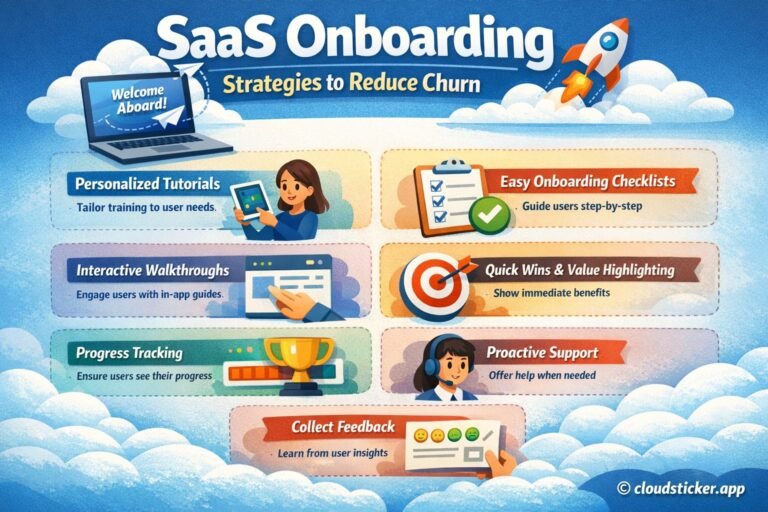
Customer retention is an often overlooked aspect of SaaS growth strategies, yet it plays a vital role in long-term success. To maximize customer satisfaction, SaaS companies should prioritize onboarding processes that ensure customers are fully equipped to utilize the software effectively. A structured onboarding program that includes tutorials, user guides, and dedicated support can help minimize frustration and increase product adoption.
Ongoing customer support is equally important for retention. Providing multiple channels for support, such as live chat, email, and phone, allows customers to reach out easily whenever they encounter issues. Proactively checking in with customers to gather feedback, resolve concerns, and offer assistance reinforces the relationship between the customer and the brand. Engaging with customers beyond the initial sale fosters loyalty and encourages them to become advocates for your product.
Additionally, implementing a loyalty program can further enhance customer retention. By rewarding customers for renewals, referrals, or engagement with the platform, SaaS organizations can incentivize behavior that benefits both the customer and the business. This approach not only strengthens customer relationships but also transforms satisfied users into brand advocates who will recommend your solutions to others. By prioritizing retention, SaaS companies can ensure a steady stream of revenue and long-term growth.
Upselling and Cross-Selling: Boosting Revenue Streams
Once a customer is onboarded and satisfied, the next step is to explore upselling and cross-selling opportunities. Upselling involves encouraging customers to purchase a higher-tier plan or additional features that enhance their experience. For example, a SaaS provider offering various subscription levels can highlight the added benefits of upgrading, such as increased storage capacity or advanced analytics features. Educating customers on how these additional features can solve their pain points can lead to increased revenue.
Cross-selling, on the other hand, refers to offering complementary products or services that align with the customer’s existing purchase. For instance, if a customer subscribes to a project management tool, introducing them to time-tracking software can enhance their overall productivity. Using data to identify these opportunities allows SaaS organizations to create targeted campaigns that resonate with current customers.
Effective communication is key in both upselling and cross-selling. By providing personalized recommendations based on customer behavior and usage patterns, companies can create value-driven suggestions that align with their needs. Additionally, offering incentives, such as discounts for bundling services, can motivate customers to explore these options. By focusing on upselling and cross-selling strategies, SaaS businesses can significantly boost their revenue streams while enhancing customer satisfaction.
Analyzing Metrics: Measuring Success and Optimization
Measuring success through analytics is crucial for any funnel-driven strategy. SaaS organizations should closely monitor key performance indicators (KPIs) at each stage of the funnel to identify strengths and weaknesses. Metrics such as customer acquisition cost (CAC), lifetime value (LTV), and churn rate provide valuable insights into the effectiveness of growth strategies. By analyzing these numbers, companies can make data-informed decisions to optimize their practices.
Customer journey mapping can also help in understanding how users interact with your brand. This visual representation allows organizations to identify bottlenecks in the funnel where potential customers might drop off. By examining this data, SaaS companies can implement targeted interventions designed to improve conversion rates or customer satisfaction. For example, if analytics reveal a high drop-off rate during the demo scheduling process, simplifying that step can lead to higher conversions.
A/B testing is another powerful tool for optimization. Whether it’s testing different email subject lines, landing page designs, or pricing models, experimenting with various approaches allows SaaS companies to refine their strategies and improve overall performance. Continuous analytics and optimization ensure that businesses remain agile and responsive to market changes, providing a significant advantage in the competitive SaaS landscape.
Scaling Strategies: Preparing for Future Growth and Success
As a SaaS company matures, it becomes essential to develop scaling strategies that ensure sustainable growth. This involves implementing scalable systems and processes that can accommodate increasing customer demand without sacrificing service quality. Investing in cloud infrastructure and automation tools can enhance operational efficiency and enable businesses to scale effectively.
Furthermore, creating a culture of innovation is vital for scaling. Encouraging teams to experiment with new ideas and solutions can lead to the discovery of untapped markets or product enhancements. Regular team meetings and brainstorming sessions can facilitate collaboration and ensure that everyone is aligned with the company’s growth vision. As the company expands, bringing in diverse talent also contributes to innovative thinking.
In addition, forming strategic partnerships can enhance growth opportunities. Collaborating with other companies in the SaaS ecosystem, such as integrations with complementary software or co-marketing initiatives, can widen the customer base and increase brand visibility. By preparing for growth with these strategies, SaaS organizations can ensure they are well-positioned for long-term success.
For the wider acquisition architecture behind these growth activities, see our B2B SaaS Marketing & Acquisition pillar guide.
Implementing funnel-driven SaaS growth strategies provides companies with a structured approach to scale effectively while maximizing customer satisfaction and loyalty. By understanding the key stages of the funnel, utilizing effective marketing techniques, and building strong relationships with customers, SaaS organizations can create a sustainable growth model. Embracing data analytics and continuously optimizing processes will ensure they remain competitive in the ever-evolving SaaS landscape.
Tags: SaaS, growth strategies, customer retention, marketing techniques, sales processes, upselling, analytics, scaling strategies, content marketing, customer engagement
External Source: For more on SaaS growth strategies, check out this insightful article: HubSpot’s Guide to SaaS Growth
The Cloudsticker perspective
Explore the systems behind SaaS performance.
Go deeper with our connected frameworks for strategy, growth, revenue operations, product, infrastructure and scaling.
Similar Posts
SaaS Growth Experiments That Deliver Measurable Results
Run disciplined SaaS growth experiments with clear hypotheses, suitable methods and downstream outcome measures.
Trial-Optimized SaaS Conversion Models That Increase Sales
Unlocking trial-optimized SaaS models boosts sales significantly.
SaaS Competitive Analysis Strategies That Win Market Share
Unlock SaaS success with strategic competitive analysis.
Powerful SaaS Lifecycle Marketing Strategies That Work
Unlock the secrets to successful SaaS marketing with powerful lifecycle strategies. Enhance customer engagement, retention, and overall growth in today’s digital landscape.
Crafting a Successful SaaS Exit Strategy for Acquisition or IPO
Crafting a solid exit strategy enhances your SaaS value.
Activation-Optimized SaaS User Experiences That Convert Fast
Unlock seamless user experiences for SaaS that drive rapid conversions.