Framework-Based SaaS Funnel Optimization That Converts
In an increasingly competitive landscape, software-as-a-service (SaaS) businesses must optimize their sales funnels to maximize conversions and drive revenue. Funnel optimization not only enhances the user experience but also ensures that businesses capture the right audience effectively. This article Framework-Based SaaS Funnel Optimization That Converts explores framework-based strategies for SaaS funnel optimization, providing insights into customer behavior, audience segmentation, and data analytics to create a compelling funnel that converts.
Understanding the Importance of Funnel Optimization for SaaS
In the SaaS industry, a well-structured sales funnel acts as the backbone of customer acquisition and retention strategies. By visualizing the journey users take from awareness to decision-making, businesses can identify and resolve pain points that inhibit conversions. This structured approach allows organizations to streamline their processes, ultimately resulting in improved customer satisfaction and loyalty. Without a finely-tuned funnel, SaaS companies risk losing potential clients to competitors who may be more adept at guiding prospects through the buying journey.
Moreover, funnel optimization is crucial for improving operational efficiency. Organizations can allocate resources more effectively when they understand where potential customers drop off in the funnel. By pinpointing these gaps, businesses can reduce customer acquisition costs while increasing the lifetime value of existing clients. In essence, a well-optimized funnel serves as a roadmap that aligns marketing, sales, and customer service efforts towards a common goal—successful conversions.
Finally, in a world where customer expectations are at an all-time high, optimizing the funnel becomes a necessity rather than an option. Today’s consumers want seamless experiences, personalized interactions, and quick resolutions to their queries. A refined funnel not only addresses these expectations but also positions a SaaS company as a market leader, capable of delivering value consistently. This competitive advantage is essential for long-term sustainability and growth in the SaaS landscape.
Key Frameworks for Effective SaaS Funnel Strategies
Various frameworks can guide organizations in creating effective SaaS funnel strategies. One popular approach is the AIDA model, which stands for Attention, Interest, Desire, and Action. This framework helps SaaS companies map out user behavior at each stage of the funnel, ensuring that marketing efforts resonate with target audiences. By capturing attention through compelling content and generating interest via informative resources, businesses can effectively move prospects toward making informed decisions.
Another valuable framework is the RACE model—Reach, Act, Convert, Engage. This model emphasizes the importance of not only converting prospects but also nurturing them post-purchase. It encourages organizations to create a multi-touchpoint experience that facilitates ongoing engagement, ensuring that customers are not just one-time buyers but loyal advocates. By integrating these stages into the sales funnel, SaaS companies can enhance customer relationships and promote brand loyalty over time.
Lastly, the Flywheel model is gaining traction in the SaaS industry. Unlike traditional funnel frameworks that view the customer journey as linear, the Flywheel emphasizes continuous interaction and value delivery. This approach invites customers to become active participants in the growth of the business. By focusing on customer success and feedback, SaaS companies can create a self-sustaining cycle that fosters growth, ultimately leading to increased conversion rates and long-term success.
Analyzing Customer Behavior to Enhance Conversion Rates
Understanding customer behavior is paramount when it comes to optimizing the SaaS funnel. By utilizing analytics tools, businesses can track user interactions, identify trends, and gather insights into how prospects navigate through the funnel. This data-driven approach enables organizations to make informed decisions about which areas of the funnel require adjustments. For example, if analytics reveal that a significant number of users abandon the sign-up process, businesses can investigate potential barriers and streamline the experience.
Furthermore, customer feedback is invaluable in understanding user behavior. Organizations can employ surveys, interviews, and focus groups to gather qualitative insights on why users may hesitate at certain funnel stages. By actively listening to customers, SaaS companies can identify pain points and implement targeted improvements, such as simplifying forms or enhancing user interface designs. This feedback loop creates a more responsive sales process, centered around the needs and expectations of the target audience.
Finally, leveraging tools like heatmaps and session replay can provide visual insights into user behavior, allowing businesses to see which elements capture attention and which do not. By continuously monitoring and analyzing this behavior, SaaS companies can create a more tailored experience that resonates with their audience. Ultimately, an informed understanding of customer behavior leads to enhanced conversion rates and a more effective sales funnel.
Tailoring Your SaaS Funnel for Target Audience Segments
To achieve optimal results, it’s essential to tailor the SaaS sales funnel to different target audience segments. Not all prospects have the same needs, preferences, or pain points, making it vital for organizations to create targeted messaging and content that resonates with specific groups. By segmenting the audience based on demographics, firmographics, or psychographics, SaaS companies can design personalized experiences that guide each segment through the funnel effectively.
One effective method for segmentation is employing buyer personas. These fictional representations of ideal customers help in understanding motivations, challenges, and preferred communication channels. By mapping out detailed personas, businesses can create tailored content that speaks directly to the unique needs of each segment, whether they are small businesses seeking cost-effective solutions or large enterprises looking for scalability and support. This personalized approach increases the likelihood of conversions while improving brand engagement.
Moreover, A/B testing can play a crucial role in refining the funnel for different segments. By experimenting with variations in messaging, design, and calls to action, organizations can identify what resonates most with each audience group. This data-driven method allows SaaS companies to adapt their strategies in real-time, ensuring that the funnel remains relevant and effective in converting prospects into loyal customers. In a competitive landscape, personalization is not just an advantage; it’s a necessity for long-term success.
Best Practices for Designing a Compelling SaaS Funnel
Designing a compelling SaaS funnel requires a blend of creativity and strategic thinking. One best practice is to clearly define each stage of the funnel, ensuring that prospects understand their journey. Using descriptive labels and intuitive navigation can enhance the user experience, making it easier for potential customers to progress through the funnel. This clarity not only simplifies the journey but also builds trust with users, as they know what to expect at each step.
Another crucial aspect is creating valuable and engaging content that meets users’ needs at each funnel stage. From educational blog posts to enticing video demos and compelling case studies, content should focus on addressing pain points and highlighting the benefits of the SaaS offering. Quality content not only attracts prospects but also serves to nurture leads, guiding them toward making informed decisions. By providing value upfront, SaaS companies can position themselves as trusted partners, ultimately leading to increased conversions.
Finally, incorporating social proof into the funnel can significantly enhance credibility and appeal. Testimonials, user reviews, and case studies offer potential customers a glimpse into the experiences of others who have successfully utilized the software. By showcasing real-world results, SaaS companies can alleviate concerns and build confidence in their solutions. For optimal results, integrating social proof at pivotal stages of the funnel can effectively persuade undecided prospects to take action.
Leveraging Data Analytics for Continuous Funnel Improvement
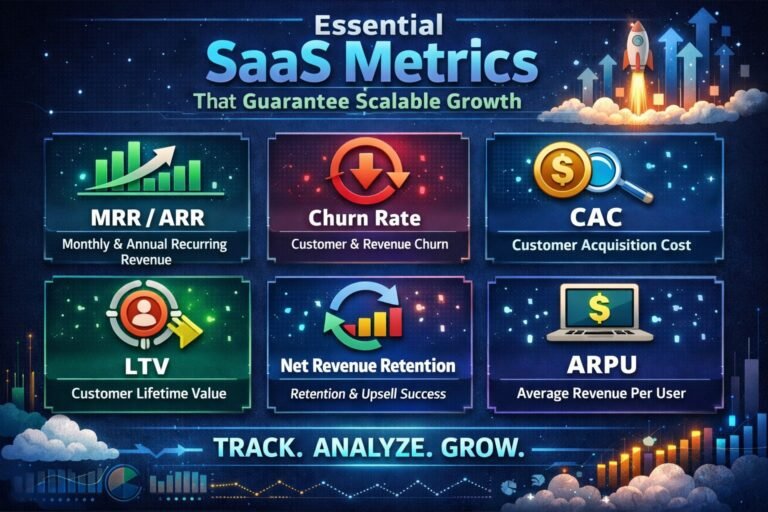
Data analytics is a cornerstone of effective SaaS funnel optimization. By continuously monitoring key performance indicators (KPIs), organizations can gain insights into funnel performance. Metrics such as conversion rates, click-through rates, and drop-off points provide a clear picture of how users engage with the funnel. This data allows businesses to make informed decisions about where to allocate resources and which areas require immediate attention.
Moreover, utilizing advanced analytics tools can enhance the depth of understanding regarding user behavior. Predictive analytics, for example, can help organizations anticipate user actions and preferences based on historical data. By leveraging these insights, SaaS companies can proactively address potential challenges and tailor the funnel experience to align with user expectations. This data-driven approach not only improves efficiency but also enhances the overall customer experience, which is vital for driving conversions.
Lastly, fostering a culture of continuous improvement is essential for leveraging data analytics effectively. Regularly reviewing funnel performance and user feedback should be integrated into organizational processes. This commitment to ongoing optimization ensures that the sales funnel evolves alongside changing market dynamics and customer preferences. By staying agile and responsive, SaaS companies can maintain a competitive edge while maximizing conversion rates over time.
Case Studies: Successful SaaS Funnel Optimization Examples
Examining successful case studies can provide valuable insights into effective SaaS funnel optimization. For instance, HubSpot, a leading marketing software provider, significantly enhanced its funnel by implementing a content-centric strategy. By offering a range of free resources, including e-books and webinars, HubSpot attracted leads at the top of the funnel. This approach not only captured attention but also nurtured prospects through engaging content that demonstrated the value of their solutions, ultimately leading to increased conversions.
Another noteworthy example is Slack, which optimized its onboarding process to improve user retention. By simplifying the onboarding experience and providing interactive guides, Slack ensured that new users could easily navigate the platform’s features. This focus on user experience not only reduced drop-off rates during the onboarding phase but also resulted in higher engagement and ongoing usage, showcasing the importance of a well-designed funnel in SaaS success.
Finally, Dropbox utilized referral programs to enhance its funnel. By incentivizing existing users to invite friends, Dropbox generated organic growth while simultaneously improving conversion rates. This strategy effectively turned satisfied customers into brand advocates, amplifying both awareness and credibility. By leveraging user-centric approaches and data-driven insights, these organizations highlight the power of effective funnel optimization in driving SaaS success.
Future Trends in SaaS Funnel Optimization Strategies
As the SaaS landscape continues to evolve, several trends are shaping the future of funnel optimization. One emerging trend is the increasing importance of artificial intelligence (AI) and machine learning in personalizing the customer journey. By leveraging AI algorithms, SaaS companies can analyze user data to deliver highly targeted content and recommendations. This level of personalization enhances user experience and drives conversions, as prospects receive tailored messaging that speaks directly to their needs.
Another trend is the rise of omnichannel marketing strategies. Today’s consumers engage with brands across various platforms, making it essential for SaaS companies to create a cohesive experience across all touchpoints. By integrating channels such as social media, email, and content marketing, organizations can ensure that prospects receive consistent messaging and support throughout their journey. This approach not only strengthens brand awareness but also fosters trust, ultimately leading to improved conversion rates.
Finally, the focus on customer success will continue to play a vital role in SaaS funnel optimization. Organizations are shifting toward post-sale engagement strategies that prioritize ongoing support and value delivery. By cultivating long-term relationships with customers, SaaS companies can enhance retention rates and encourage upselling opportunities. This customer-centric approach signifies a departure from traditional sales tactics, paving the way for more sustainable growth in the SaaS industry.
In a landscape characterized by fierce competition and evolving customer expectations, framework-based SaaS funnel optimization is essential for driving conversions and achieving sustainable growth. By understanding the importance of funnel optimization, leveraging key frameworks, and analyzing customer behavior, organizations can develop tailored strategies that resonate with their target audience. As the SaaS landscape continues to evolve, staying ahead of trends and embracing data-driven approaches will be crucial for success in the future.
Tags: SaaS, Funnel Optimization, Conversion Rates, Data Analytics, Customer Behavior, Marketing Strategy, Audience Segmentation, User Experience, Best Practices, Case Studies
Hashtags: #SaaS #FunnelOptimization #CustomerSuccess #DataDriven #MarketingStrategy