Essential SaaS CRO Checklist for Boosting Website Conversions
In the competitive world of Software as a Service (SaaS), optimizing conversion rates is crucial for sustainable growth. Converting visitors into paying customers can significantly impact your bottom line. Therefore, a comprehensive Conversion Rate Optimization (CRO) checklist is essential. This article outlines a practical SaaS CRO checklist and proven strategies to enhance your website conversions. By focusing on critical elements and actionable insights, this guide aims to empower SaaS businesses to achieve their goals efficiently.
Key Elements of an Effective SaaS CRO Checklist
Understanding Your Audience
The first step in any CRO strategy involves a deep understanding of your target audience. Identify user personas based on demographics, behaviors, and needs. Detailed personas allow you to tailor your messaging effectively. Use tools like Google Analytics to gather data on user behavior and preferences.
Surveys and interviews can provide qualitative insights. Ask users about their pain points and what they seek in your SaaS offering. This feedback can inform your content strategy, ensuring it addresses real user challenges.
Additionally, consider implementing heat maps and session recordings. These tools illustrate how users interact with your website. They reveal which elements attract attention and which areas may cause frustration. Understanding these patterns is critical for informed decision-making.
Clear Value Proposition
A compelling value proposition is the cornerstone of effective SaaS conversion. Your value proposition should articulate the benefits of your service clearly. It must resonate with your target audience’s needs. Use straightforward language to explain how your solution addresses specific pain points.
Highlight unique features that differentiate your offering from competitors. Use concise bullet points or short paragraphs for clarity. This ensures that your audience quickly understands the advantages of choosing your SaaS product.
Don’t forget to include social proof. Testimonials, case studies, or user reviews can significantly enhance credibility. Prospective customers often look for reassurance from existing users. Thus, showcasing positive experiences can tip the scales in your favor.
Optimized Landing Pages
Landing pages play a pivotal role in conversions. Each page should serve a specific purpose and align with your marketing campaigns. Use focused, action-oriented copy to guide users toward conversion.
Incorporate elements like strong calls to action (CTAs). Make sure they are clear, visually distinct, and placed strategically throughout the page. A/B testing can help identify which CTAs perform best.
Also, ensure that your landing pages are mobile-responsive. With increasing mobile usage, a seamless mobile experience is non-negotiable. Ensure that all elements, from buttons to forms, are easily accessible on smaller screens.
Proven Strategies to Enhance Your Website Conversions
A/B Testing and Multivariate Testing
A/B testing is a foundational strategy for optimizing conversions. It allows you to compare two versions of a webpage to see which performs better. Start with simple elements like headlines, CTAs, or images. Analyze the results to determine what resonates most with your audience.
Multivariate testing takes this a step further. It tests multiple variables simultaneously to see how different combinations perform. While more complex, it offers deeper insights into user behavior. Use both strategies to continually refine your website.
Establish a testing schedule to ensure ongoing optimization. The digital landscape is constantly evolving, and so are user preferences. Regular testing keeps your website aligned with audience expectations.
Personalization Techniques
Personalization enhances the user experience and drives conversions. Use data to tailor content based on user behavior or demographics. For example, display different messages to returning visitors versus new users.
Another effective technique is dynamic content. This allows you to change content based on user location, industry, or previous interactions. Personalized experiences can significantly increase engagement and conversions.
Consider implementing targeted email campaigns based on user behavior. Emails that address specific needs or interests have higher open and click-through rates. This tailored approach leads to better conversion rates.
Effective Use of Analytics
Analytics are vital for understanding user behavior on your website. Tools like Google Analytics can track user engagement, bounce rates, and conversion paths. This data is essential for identifying areas for improvement.
Create a dashboard to visualize key performance indicators (KPIs). Focus on metrics that directly impact conversions, such as session duration and conversion rate. This allows for quick, informed decision-making.
Regularly review and adjust your strategy based on analytics findings. If you notice high drop-off rates on certain pages, investigate and make necessary adjustments. Data-driven decisions are crucial for optimization success.
Technical Elements of Your SaaS Website
Website Speed Optimization
Website speed is critical for user experience and conversion rates. Studies show that even a one-second delay can lead to significant drop-offs. Begin by conducting a speed test using tools like GTmetrix or Google PageSpeed Insights.
Optimize images and compress files to improve loading times. Also, consider using a Content Delivery Network (CDN) to enhance speed for global audiences.
Regularly monitor your website’s performance. Ensure that it remains fast, even as you add new features or content. A consistently quick website fosters a smooth user experience and keeps potential customers engaged.
Secure and Trustworthy Environment
Security is paramount for any SaaS website. Users must trust that their data is safe. Implement SSL certificates to encrypt data transmitted between users and your server.
Showcase trust signals, such as security badges or compliance certifications. This reassures users about your commitment to data protection.
Additionally, ensure that your privacy policy is transparent and easy to find. Clear communication about how user data is handled builds trust and encourages conversions.
Building Credibility through Social Proof
Leveraging Customer Testimonials
Customer testimonials can significantly influence potential buyers. Positive reviews build trust and enhance credibility. Ensure you gather testimonials from satisfied customers across various channels.
Display them prominently on your website. Use a dedicated testimonials page or feature them on landing pages. Include names, photos, and, if possible, links to users’ profiles. This adds authenticity and encourages trust.
Consider using video testimonials as well. Video content is engaging and can humanize your brand. Potential customers often relate better to real voices and faces, making videos a powerful tool for conversion.
Case Studies as Conversion Tools
Case studies provide in-depth insights into how your SaaS solution has helped others. They serve as powerful storytelling tools that can resonate with potential customers.
Outline the challenges faced by your clients and how your solution addressed those issues. Use real data to quantify results. Numbers can speak volumes in demonstrating efficacy.
Promote your case studies on your website and share them via email marketing. This can extend their reach and influence. Case studies not only build credibility but also serve as educational resources.
Implementing a Structured CRO Framework
Understanding the Conversion Funnel
To effectively enhance conversions, you must understand the conversion funnel. This model outlines the journey potential customers take from awareness to decision-making.
Identify the key stages in your funnel: awareness, consideration, and decision. Tailor your marketing strategies for each stage. Ensure that content aligns with the user’s mindset at that point in their journey.
Use analytics to monitor conversions at each stage. This helps identify potential bottlenecks and areas for improvement. A clear understanding of the funnel guides your optimization efforts.
Creating a CRO Roadmap
A well-defined roadmap is essential for successful CRO implementation. Start by setting clear, measurable goals. These could include increasing sign-ups, improving page engagement, or reducing bounce rates.
Outline specific tactics for achieving each goal. Include timelines and responsibilities to ensure accountability. Regularly review the roadmap to assess progress and make adjustments.
Utilize tools like Trello or Asana to manage your roadmap. Keeping your team aligned and informed fosters a collaborative approach to CRO.
Executive FAQ
What factors can affect Total Cost of Ownership (TCO) in SaaS?
TCO in SaaS can be influenced by various factors, including subscription costs, implementation fees, and ongoing maintenance. Unforeseen expenses, like additional storage or support requirements, can also impact TCO. Regularly evaluating the total expenses associated with software can help identify opportunities for cost reduction and ensure long-term viability.
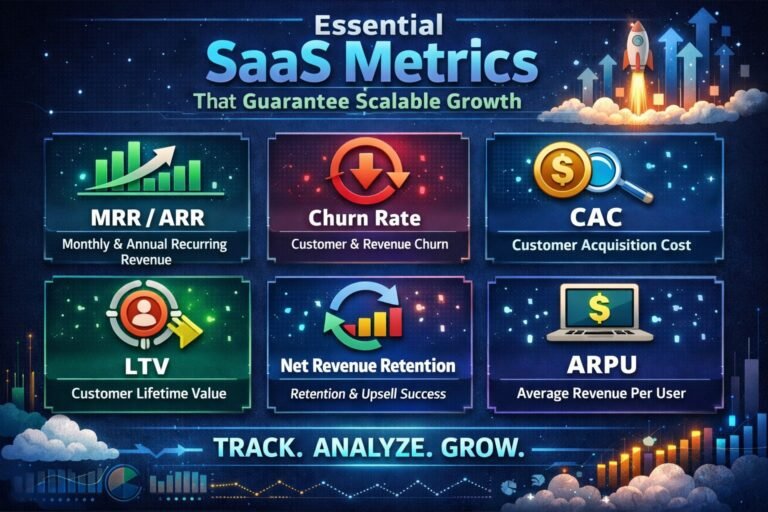
How does SaaS impact Net Revenue Retention (NRR)?
SaaS significantly influences NRR through customer satisfaction and upselling opportunities. By offering excellent service and support, SaaS businesses can reduce churn rates. Additionally, existing customers are more likely to upgrade or purchase add-ons, increasing revenue without acquiring new customers.
What are the security governance best practices for SaaS?
Security governance in SaaS includes implementing user access controls, data encryption, and regular audits. Establishing a clear policy for data handling and compliance with regulations, such as GDPR, is crucial. Regular training for employees on security measures can further strengthen your governance framework.
How can SaaS integrate with legacy systems?
Integrating SaaS with legacy systems often requires careful planning and strategy. Utilize APIs to facilitate data exchange between platforms. Conduct thorough assessments to identify potential compatibility issues. A phased integration approach can minimize disruptions and enhance overall efficiency.
What role does user onboarding play in conversion?
User onboarding is critical for maximizing conversion rates. A well-structured onboarding process enhances user experience and ensures customers understand your product’s value. Improved user engagement during onboarding can lead to increased retention and conversion rates over time.
How can companies measure success in their CRO efforts?
Success in CRO can be measured through key performance indicators (KPIs) such as conversion rates, bounce rates, and average session duration. Regularly monitoring these metrics provides insights into user behavior and the effectiveness of optimization strategies. Utilizing a combination of qualitative and quantitative data enhances the assessment of CRO initiatives.
Optimizing website conversions is not just a one-time effort; it requires ongoing attention and strategic implementation. By utilizing a robust SaaS CRO checklist and proven strategies, businesses can enhance their conversion rates effectively. Understanding your audience, employing data-driven decisions, and leveraging social proof are just a few ways to enhance your approach. A well-structured CRO framework will guide your efforts and help you achieve sustained growth in a competitive landscape.