SaaS Funnel Analysis Techniques That Improve Performance
Research, frameworks and practical perspectives for the people building, managing and scaling software businesses.
In the competitive world of Software as a Service (SaaS), understanding and optimizing your sales funnel is crucial for growth and performance improvement. The funnel represents the journey potential customers take from awareness to conversion, and analyzing its components can uncover valuable insights that drive business strategies. This article will delve into various techniques and methods for SaaS funnel analysis, providing actionable strategies that can enhance your organization’s overall performance.
Understanding the SaaS Funnel: Key Components to Analyze
To effectively analyze your SaaS funnel, it’s essential to understand its key components. The funnel typically consists of several stages, starting with awareness, followed by consideration, conversion, retention, and ultimately advocacy. Each stage plays a pivotal role in shaping the experience of potential customers. Awareness is where marketing efforts generate interest, while consideration involves potential customers evaluating your product against competitors. Analyzing these stages allows organizations to identify friction points and opportunities for improvement. For a related approach to improving conversion performance, see our guide to SaaS conversion rate optimization.
Another crucial component is the conversion rate, which measures the percentage of users who move from one stage to the next. Examining conversion rates at each stage provides insights into how effectively your funnel is functioning. For instance, if many users drop off at the consideration stage, it may indicate that your messaging isn’t resonating or that your competitors are offering better value. By quantifying these metrics, you can set benchmarks for future performance and identify where to allocate resources for maximum impact. You can complement this analysis with practical SaaS funnel optimization techniques to test improvements at specific stages.
Retention and advocacy are often overlooked but are vital for long-term SaaS success. Customers who engage with your product over time become advocates, promoting your service and expanding your reach. Tracking these metrics can help you understand customer loyalty and satisfaction. Additionally, by analyzing user behavior post-conversion, you can create tailored retention strategies that enhance the overall customer experience, leading to repeat business and reduced churn.
Importance of Funnel Metrics in SaaS Business Growth
Funnel metrics serve as a compass for SaaS businesses navigating the complexities of customer acquisition and retention. Without these metrics, organizations may struggle to identify areas of inefficiency and miss out on potential revenue. Metrics such as customer lifetime value (CLV), customer acquisition cost (CAC), and churn rate are critical for assessing the health of your funnel. Compare these measures with our overview of SaaS growth metrics. These figures provide insights into the effectiveness of marketing strategies and the potential return on investment, guiding decisions on resource allocation.
Understanding these metrics also facilitates better forecasting and budgeting. By analyzing historical data, you can predict future performance and adjust your marketing and sales strategies accordingly. For example, a high CAC may signal a need for a revamped marketing strategy or improved sales processes. On the other hand, a low churn rate indicates that customers are satisfied, which can lead to higher CLV. Knowing where you stand can empower your organization to make informed, data-driven decisions.
Lastly, funnel metrics allow for more effective communication within your organization. When everyone is aligned on key performance indicators (KPIs), it fosters a culture of accountability and collaboration. Teams can work together to identify bottlenecks, share insights, and develop strategies tailored to improving specific metrics. This cooperative approach ensures that everyone is invested in the success of the funnel, ultimately leading to improved overall performance and growth.
Techniques for Tracking User Behavior Throughout the Funnel
Tracking user behavior throughout the funnel is integral to understanding how potential customers interact with your SaaS product. Implementing user analytics tools like Google Analytics or Mixpanel can provide valuable insights into user journeys. Google’s GA4 recommended events documentation explains how to measure important user actions. These platforms allow you to track how users navigate your website, which features they interact with, and where they drop off. For implementation details, Google’s GA4 event setup documentation explains how to measure key interactions. This data is crucial for identifying pain points and optimizing the user experience.
Another effective technique is implementing heat maps and session recording tools like Hotjar or Crazy Egg. These tools visually illustrate user interactions, showing where users click, scroll, and spend the most time. By analyzing this data, you can pinpoint areas of interest and confusion, enabling you to make informed adjustments to your website or product design. This technique not only improves the user experience but also increases conversion rates by guiding users more effectively through the funnel.
Utilizing customer feedback mechanisms such as surveys and interviews can also enhance your understanding of user behavior. By directly asking customers about their experiences, you can gather qualitative data that complements your quantitative analysis. This dual approach helps create a holistic picture of customer behavior, allowing you to implement strategies tailored to their needs. Regularly reviewing this feedback ensures that your funnel remains aligned with customer expectations, ultimately driving better results. A structured SaaS customer feedback strategy can help teams turn those observations into product improvements.
Utilizing A/B Testing for Enhanced Funnel Performance
A/B testing, or split testing, is a powerful technique for optimizing your SaaS funnel. For a broader view of testing pages and calls to action, see our guide to SaaS conversion rate optimization. By comparing two versions of a webpage, email, or call-to-action, you can identify which elements resonate more with your audience. This data-driven approach allows you to make informed decisions based on actual user behavior rather than assumptions. For example, testing different headlines or layouts can reveal which variations lead to higher conversion rates.
Incorporating A/B tests into your marketing and sales strategies creates a culture of continuous improvement. Each test provides insights that can refine your approach, whether adjusting your messaging or enhancing user experience. Regularly reviewing A/B test results allows you to understand trends and preferences within your audience, making it easier to align your offerings with their needs. This iterative process can significantly boost funnel performance over time.
It’s essential to document and analyze the outcomes of your A/B tests rigorously. This documentation helps establish a baseline for future tests and creates a repository of knowledge that your team can refer to. By sharing insights across departments, you can foster collaboration and innovation, ultimately enhancing your overall SaaS funnel performance. As you iterate and optimize, remember that even small changes can lead to substantial improvements in user engagement and conversion rates.
Segmenting Your Audience for Targeted Funnel Insights
Audience segmentation is a critical strategy for obtaining targeted insights throughout your SaaS funnel. By dividing your customer base into distinct groups based on demographics, behaviors, or preferences, you can tailor your marketing efforts to address the unique needs of each segment. This targeted approach ensures that your messaging resonates with specific audiences, increasing the likelihood of conversion.
One effective method for segmentation is behavioral analysis. By examining how users interact with your product, you can categorize them based on their usage patterns. For instance, you might identify power users who frequently engage with your software versus casual users who interact less frequently. Each group will have different pain points and motivations, and understanding these nuances allows you to craft personalized experiences that drive conversions.
Moreover, segmentation can enhance customer retention strategies. By recognizing the unique needs of different user groups, you can implement tailored retention campaigns that resonate more effectively. For example, offering specialized onboarding resources for new users or exclusive features for loyal customers can greatly enhance satisfaction. Ultimately, well-executed segmentation allows you to optimize your funnel for diverse customer profiles, resulting in improved performance and growth.
Leveraging Data Visualization Tools for Funnel Analysis
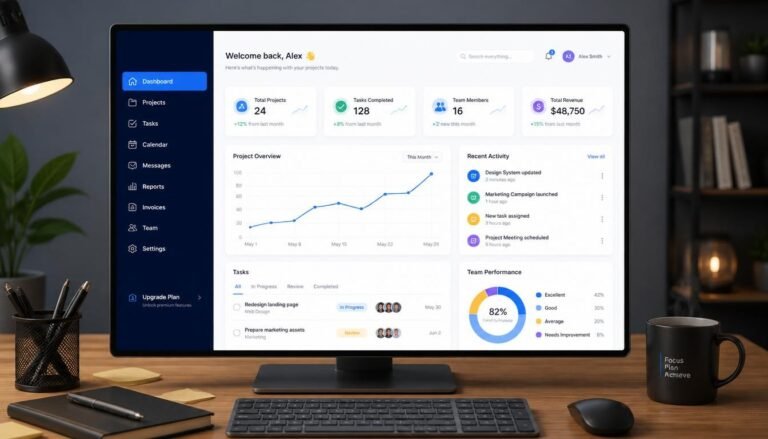
Data visualization tools play a crucial role in simplifying complex funnel data into actionable insights. Platforms like Tableau, Looker, or Google Data Studio enable SaaS businesses to create visual representations of their funnel metrics, making it easier to identify trends and patterns. Visualizing data helps stakeholders grasp information quickly, facilitating more informed discussions about performance and optimization strategies.
These tools allow you to create dashboards that track key performance indicators in real-time. By customizing your dashboards to highlight relevant metrics, you can ensure that your team is always aware of the current status of your funnel. This immediate access to data empowers decision-makers to respond swiftly to changes, making it easier to pivot strategies when necessary.
Furthermore, data visualization can enhance presentations and reports, allowing you to communicate insights effectively with stakeholders. Clear visuals can help convey the story behind the numbers, making it easier to garner support for new initiatives or investments. By leveraging data visualization, you can transform your funnel analysis into a powerful tool for driving performance improvement across your SaaS organization.
Implementing Feedback Loops to Optimize the Funnel
Feedback loops are vital for continuous optimization of your SaaS funnel. Establishing mechanisms for collecting user feedback helps identify strengths and weaknesses in your funnel. This could involve surveys, net promoter scores, or even direct interviews. Regularly soliciting feedback ensures that you remain aligned with customer needs, enabling you to make timely adjustments that enhance their experience.
Incorporating feedback into your funnel strategy allows you to create a responsive approach to user concerns. When customers feel their opinions are valued, they are more likely to remain engaged and loyal. This not only improves retention rates but also turns satisfied customers into advocates who can help promote your brand. By treating feedback as a core component of your strategy, you foster a culture of continuous improvement.
Additionally, tracking the effectiveness of changes made based on feedback is essential. By employing analytics to measure the impact of your adjustments, you can quantify improvements and validate your efforts. This ongoing cycle of feedback and optimization ensures that your funnel remains dynamic and responsive, ultimately driving sustained growth and performance.
Real-World Success Stories of SaaS Funnel Optimization
Many SaaS companies have successfully optimized their funnels through strategic analysis and targeted techniques. For instance, HubSpot implemented a robust A/B testing strategy that allowed them to refine their lead generation forms. By comparing different form layouts and fields, they discovered that simplifying their forms increased conversion rates significantly. This optimization led to a substantial increase in leads, demonstrating the power of testing and iterative improvement.
Another example is Slack, which focused on user feedback to enhance its onboarding experience. By actively soliciting input from users, they identified pain points that new users faced during setup. This information led to a redesigned onboarding process, which reduced the time it took for users to start realizing value from the product. As a result, Slack saw improved retention rates, showcasing how customer feedback can drive significant optimization efforts.
Additionally, Zoom utilized data visualization tools to track user engagement and identify trends. By analyzing user behavior, they pinpointed key features that drove user satisfaction. This insight allowed them to focus their marketing efforts on promoting these features, leading to increased sign-ups and retention. Their success illustrates the value of leveraging data visualization for informed decision-making in optimizing the funnel.
For the wider strategic context around acquisition channels, conversion funnels and pipeline measurement, see our B2B SaaS Marketing & Acquisition pillar guide.
In conclusion, effective SaaS funnel analysis is not just about tracking metrics; it’s about understanding your customers and continuously optimizing their experience. By employing techniques such as A/B testing, audience segmentation, and data visualization, organizations can drive meaningful improvements in their funnel performance. Implementing a culture of feedback and collaboration further enhances this process, paving the way for sustained growth. As the SaaS landscape evolves, staying agile and responsive to user needs will be paramount for success.
Tags: SaaS, funnel analysis, user behavior, A/B testing, audience segmentation, data visualization, customer feedback, growth strategies, marketing, performance optimization
The Cloudsticker perspective
Explore the systems behind SaaS performance.
Go deeper with our connected frameworks for strategy, growth, revenue operations, product, infrastructure and scaling.
Explore Cloudsticker →More analysis →Similar Posts
Optimization-Focused SaaS Conversion Systems That Work
Boost your SaaS conversions with proven optimization strategies.
Mastering SaaS API Integration: A Comprehensive Guide for Growth
Mastering SaaS API integration drives scalable growth effectively.
Maximizing Productivity with SaaS Workflow Automation Strategies
Boost productivity with effective SaaS workflow automation strategies.
Data-Backed SaaS Growth Experiments That Drive Results
Unlocking SaaS growth requires innovative, data-driven experiments.
Essential SaaS User Onboarding Checklist for Higher Retention
Maximize retention with this essential onboarding checklist.
Powerful SaaS Referral Programs That Drive Viral Growth
Drive exponential SaaS growth with referral programs: simple sharing, rewarding incentives, data-driven metrics, and real-world case studies for growth.