SaaS Product-Led Growth Strategies That Deliver Explosive Results
In today’s competitive landscape, Software as a Service (SaaS) companies are increasingly adopting Product-Led Growth (PLG) strategies to drive rapid growth and enhance customer acquisition. PLG focuses on using the product itself as the primary vehicle for acquiring, retaining, and expanding the customer base. Rather than relying solely on traditional marketing or sales tactics, companies embracing PLG leverage their products to create a seamless user experience that drives engagement and fosters loyalty. This article explores effective SaaS PLG strategies that can generate explosive results, positioning organizations at the forefront of their industries.
Understanding Product-Led Growth in SaaS Companies
Product-Led Growth marks a paradigm shift in how SaaS companies approach their growth strategies. Traditional methods often prioritize marketing or sales as the main drivers of customer acquisition; however, PLG flips this model on its head. In a PLG strategy, the product is not just a tool; it becomes the centerpiece of the customer journey. This approach emphasizes user experience, allowing customers to understand the product’s value without heavy interference from sales teams. The aim is to deliver a product experience that is so compelling that it naturally attracts new users.
The essence of PLG lies in its ability to create a self-sustaining ecosystem where satisfied users advocate for the product, driving organic growth. Companies utilizing PLG are often able to reduce their customer acquisition costs significantly, as they rely on the product’s merits to attract users. This strategy is particularly effective in the SaaS world, where scalability is crucial. A well-executed PLG strategy allows companies to onboard users efficiently, leading to reduced time-to-value and enhanced user satisfaction.
Moreover, embracing a PLG framework requires a cultural shift within the organization. Teams must prioritize product development and user feedback, ensuring that enhancements align with user needs and preferences. This ongoing commitment to user-centricity not only leads to better products but also fosters a community around the brand, ultimately driving sustainable growth.
Key Principles of SaaS Product-Led Growth Strategies
Successful SaaS companies implement several key principles when adopting PLG strategies. The first principle revolves around delivering immediate value to users. This can be achieved through intuitive onboarding processes and features that address users’ pain points effectively. When users can quickly realize the benefits of a product, they are more likely to engage deeply and become long-term customers.
Another essential principle is fostering a strong feedback loop. Companies should actively solicit input from users to understand their experiences and expectations. By doing so, organizations can iterate on their products continuously, making improvements that align with user needs. This responsiveness cultivates trust and loyalty, as users feel valued when their voices are heard and their suggestions lead to tangible changes.
Lastly, leveraging data analytics is critical in a PLG framework. By utilizing metrics such as user engagement, churn rates, and product usage statistics, companies can make informed decisions about product upgrades and marketing initiatives. Real-time data allows organizations to pivot quickly and effectively, ensuring their strategies remain relevant and impactful in a rapidly evolving market.
Building a User-Centric Product Experience for Success
Designing a user-centric product experience is foundational to effective PLG strategies. This involves understanding who your users are, what they need, and how they interact with the product. Conducting user research, including surveys and interviews, can yield valuable insights into user preferences and challenges. With this information, organizations can tailor their products to meet specific needs, thereby enhancing user satisfaction and retention rates.
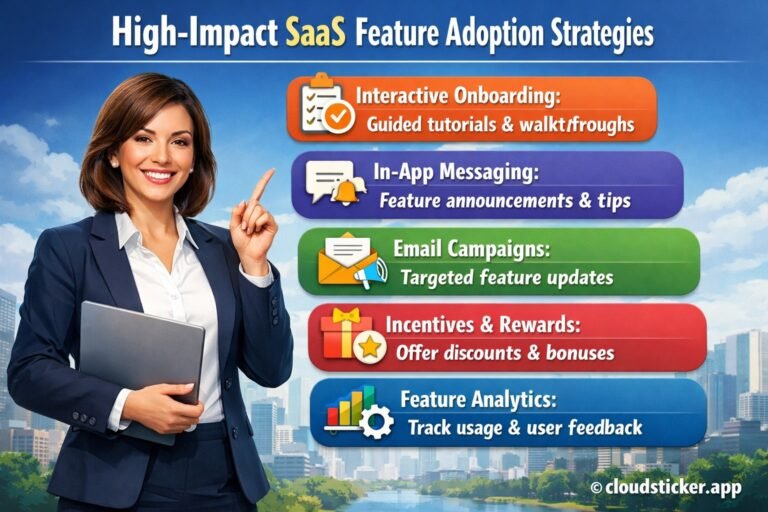
Effective onboarding is another critical component of a user-centric experience. A streamlined onboarding process helps users acclimate to the product swiftly, reducing any friction they may encounter. This could involve interactive tutorials, guided tours, and easy access to support resources. When users can start experiencing the product’s value immediately, they are less likely to abandon it prematurely.
Finally, continually refining the user experience is vital for sustaining growth. Companies should regularly assess user journeys and identify any pain points that may hinder engagement or satisfaction. Implementing A/B testing for new features and gathering user feedback post-launch enables organizations to adapt and optimize their offerings continually. This commitment to improvement not only enhances the product but also reinforces a culture of user-centricity.
Leveraging Free Trials to Boost User Engagement
Free trials are powerful tools in the SaaS PLG arsenal. They allow potential customers to experience the product without any upfront commitment, significantly lowering the barrier to entry. A well-structured free trial can entice users to explore the product’s features, enabling them to ascertain its value firsthand. This direct engagement often leads to higher conversion rates from trial to paid subscriptions.
To maximize the effectiveness of free trials, companies should design them to highlight the product’s core functionalities. This may involve creating focused experiences that allow users to engage deeply with the most valuable aspects of the product. For instance, if your software includes collaboration features, ensure that trial users can easily connect with team members and experience the benefits of working together.
Additionally, nurturing users during the trial period is essential. Organizations should implement strategies to guide users through the trial experience, such as personalized email follow-ups or in-app messages that provide tips and insights. By fostering engagement and addressing potential roadblocks during the trial, companies can significantly increase the likelihood of converting users into loyal customers.
Creating Viral Loops to Maximize Customer Acquisition
Viral loops represent a compelling growth strategy for SaaS companies seeking to leverage their existing user base for customer acquisition. A viral loop occurs when users invite others to join the platform, creating a self-reinforcing cycle of growth. This strategy thrives on the principle that word-of-mouth recommendations from satisfied customers can lead to exponential growth.
To design effective viral loops, companies should embed sharing mechanisms into their products. This could include referral programs that provide incentives for users to invite colleagues or friends. These incentives can take various forms, such as discounts on subscriptions, additional features, or even monetary rewards. By making it easy and rewarding for users to share, companies can significantly enhance their reach and attract new customers.
Moreover, measuring the effectiveness of viral loops is crucial. SaaS companies need to analyze the referral conversion rates and user acquisition costs associated with these initiatives. Understanding what drives users to share the product can help refine the strategy over time, ensuring that the viral loops remain potent and effective in driving growth.
Utilizing Data-Driven Insights for Continuous Improvement
Data-driven decision-making is a cornerstone of successful PLG strategies. SaaS companies that harness analytics can gain actionable insights that inform product development, marketing, and customer engagement strategies. By tracking user behaviors, companies can identify patterns that indicate which features are most valued and where users experience friction.
Investing in analytics tools and platforms can facilitate this process. Solutions that provide real-time data visualization allow teams to monitor key performance indicators (KPIs) and user behaviors effectively. For instance, understanding user engagement metrics, such as session duration and feature adoption, can guide product teams in prioritizing enhancements and addressing user pain points promptly.
Furthermore, continuous improvement based on data insights fosters a culture of experimentation. Companies can adopt methodologies such as Agile or Lean, promoting iterative development and rapid testing of new features. This approach not only leads to better products but also enhances user satisfaction as products evolve in response to real user needs and market trends.
Transforming Customer Feedback into Actionable Growth
Customer feedback is invaluable in refining SaaS products and enhancing the overall user experience. Companies should create structured processes to collect and analyze feedback, ensuring that it influences product development. Regular surveys, one-on-one interviews, and feedback forms can provide insights into user satisfaction and areas for improvement.
Translating feedback into actionable growth requires a systematic approach. Organizations should categorize feedback into themes—such as feature requests, usability issues, and general satisfaction levels. This categorization allows teams to prioritize enhancements and align their roadmap with user expectations.
Additionally, maintaining transparency with users regarding how their feedback is addressed fosters trust and loyalty. Regular updates on product improvements and new features based on user suggestions demonstrate that the organization values its customers’ input. This commitment to engagement not only improves the product but also strengthens the customer relationship, leading to higher retention rates and a more robust user community.
Measuring Success: Metrics That Matter for SaaS Growth
To evaluate the effectiveness of PLG strategies, SaaS companies need to focus on the right metrics. Key performance indicators (KPIs) such as customer acquisition cost (CAC), customer lifetime value (CLV), and user engagement metrics provide a comprehensive view of growth and sustainability. Monitoring these metrics enables organizations to make informed decisions about resource allocation, marketing strategies, and product development.
User engagement metrics, such as daily active users (DAU) and monthly active users (MAU), are vital for assessing how effectively the product resonates with users. A high DAU-to-MAU ratio indicates strong engagement and value, suggesting that the product is meeting user needs effectively. Conversely, a decline in these metrics may signal the need for enhancements or changes in strategy.
Lastly, tracking churn rates and retention metrics is essential for understanding customer loyalty and satisfaction. High churn rates may indicate issues with the product experience or user onboarding, while strong retention suggests that users derive significant value from the product. By focusing on these critical metrics, SaaS companies can drive continuous growth and ensure long-term success.
Incorporating Product-Led Growth strategies into a SaaS company can yield explosive results, thanks to a focus on user experience and data-driven decision-making. By leveraging free trials, creating viral loops, and maintaining user-centric development processes, organizations can not only enhance customer acquisition but also foster long-term loyalty. As the SaaS landscape continues to evolve, those embracing PLG will be well-positioned to meet the demands of users and thrive in a competitive market.
Meta Description: Discover SaaS Product-Led Growth strategies that deliver explosive results, focusing on user experience, data-driven decisions, and customer engagement.
Tags: SaaS, Product-Led Growth, User Experience, Customer Acquisition, Data-Driven Insights, Free Trials, Customer Feedback, Viral Loops, Growth Metrics, Continuous Improvement
Hashtags: #SaaS #ProductLedGrowth #UserExperience #CustomerEngagement #DataDriven