
SaaS Monetization Strategies That Maximize Profitability
Organizations must prioritize profitability through effective SaaS Monetization Strategies. Understanding how to maximize revenue while delivering exceptional value to customers is essential for long-term success. This article delves into various SaaS monetization approaches, providing actionable insights for enterprise-scale organizations aiming to enhance their bottom line.
Understanding SaaS Monetization: Key Concepts to Embrace
SaaS monetization is not just about charging for a software product; it encompasses a comprehensive strategy that aligns pricing with customer value and market demand. Understanding key concepts such as Customer Lifetime Value (CLV), Customer Acquisition Cost (CAC), and churn rate is vital. CLV helps organizations forecast future revenue, while CAC provides insight into the cost-effectiveness of marketing strategies. A low CAC combined with a high CLV indicates a healthy business model, which is crucial for sustained profitability.
Moreover, the SaaS business model is inherently different from traditional software sales. With a subscription-based approach, companies must focus on delivering ongoing value to prevent customer churn. This necessitates continual product improvement and customer engagement. Companies should invest in understanding their customers’ needs and preferences, which can lead to higher satisfaction rates and, consequently, better retention.
Finally, embracing a culture of experimentation and flexibility is essential in SaaS monetization. Organizations should be willing to test different pricing models and strategies to discover what resonates best with their target audience. This adaptability allows for the refinement of monetization tactics, ensuring alignment with market trends and customer expectations.
Subscription Models: Choosing the Right Type for Your Business
Choosing the right subscription model can fundamentally influence a SaaS company’s profitability. Common models include monthly subscriptions, annual contracts, and pay-as-you-go schemes. Each has its advantages and disadvantages. For instance, monthly subscriptions provide flexibility for customers and can lead to higher customer acquisition rates. However, annual contracts often result in more predictable revenue streams and can reduce churn by locking customers in for longer periods.
In addition to standard subscription models, hybrid models are gaining popularity. These allow businesses to combine features of different models, catering to diverse customer preferences. For example, a company could offer a monthly subscription with an option for annual payment at a discounted rate. This flexibility can attract a broader customer base and optimize revenue.
Organizations should also evaluate the potential for usage-based pricing. This model aligns costs with actual use, making it an attractive option for enterprises that want to minimize upfront commitments. A careful assessment of the target market can help companies determine which subscription model will maximize profitability while meeting customer needs.
Tiered Pricing Strategies to Capture Diverse Customer Needs
Implementing tiered pricing models is an effective way for SaaS companies to cater to various customer segments. By offering multiple tiers that differ in features, service levels, and pricing, organizations can attract a wider array of customers, from startups to large enterprises. Each tier should be designed to deliver specific value propositions that cater to the distinct needs of different user groups.
For instance, a SaaS company might offer a basic tier for small businesses, a mid-tier for growing organizations, and a premium tier for larger enterprises. This segmentation allows the business to capture a broader market share while providing customers with options that align with their budget and requirements. Clear differentiation between tiers is crucial so potential customers can easily identify which level best meets their needs.
Moreover, tiered pricing strategies can facilitate upselling opportunities. When customers become accustomed to the product’s value at their current tier, they may be more inclined to upgrade as their needs evolve. By ensuring a clear value proposition at each level, organizations can effectively guide customers toward higher tiers, ultimately maximizing profitability.
Freemium vs. Paid: Finding the Balance for Profitability
The freemium model offers a basic version of the software for free while charging for premium features. This approach can generate substantial user interest and attract a wide audience. However, striking the right balance between free and paid offerings is crucial; too many free features may lead to insufficient conversions, while too few can deter user engagement.
SaaS companies can enhance their freemium strategy by implementing a clear pathway for upgrading to paid plans. This can include time-limited trials of premium features or limited access to advanced functionalities. Creating an enticing value proposition for paid plans encourages users to transition from free to paid subscriptions, boosting overall profitability.
Analyzing user behavior can provide valuable insights into how freemium users engage with the product. Identifying features that drive premium upgrades can help organizations refine their offerings, ensuring that the transition from free to paid is as seamless as possible. Ultimately, a well-executed freemium model can serve as a powerful lead generation tool while maximizing profitability.
Upselling and Cross-Selling: Maximizing Customer Value
Upselling and cross-selling are vital techniques for SaaS businesses looking to enhance customer value and profitability. Upselling involves encouraging customers to upgrade to a more advanced product version, while cross-selling promotes complementary products or services. Both strategies capitalize on existing customer relationships, helping to increase average revenue per user (ARPU).
To execute effective upselling, organizations should focus on educating customers about the benefits of higher-tier offerings. This can be achieved through targeted marketing campaigns, personalized communication, or in-app messaging. By demonstrating how an upgrade can resolve specific pain points or offer enhanced capabilities, companies can motivate customers to make the leap.
Cross-selling can be particularly effective when launching new features or products. By identifying synergies between existing offerings and new solutions, organizations can create bundled packages that provide added value to customers. This approach not only enhances user experience but also drives additional revenue streams, further maximizing profitability.
Usage-Based Billing: Aligning Costs with Customer Success
Usage-based billing is a dynamic pricing model that directly ties costs to customer consumption. This strategy is particularly beneficial for SaaS companies with variable usage patterns, allowing them to align pricing with the actual value delivered. By charging customers based on their usage, companies can better accommodate fluctuating needs and foster long-term relationships.
Implementing usage-based billing requires robust tracking and analytics capabilities. Organizations must invest in technology that monitors user engagement and consumption patterns in real-time. This data-driven approach ensures accurate billing while providing insights into customer behavior, allowing for proactive engagement and support.
Moreover, usage-based billing can enhance customer satisfaction by eliminating the risk of overpaying for unused features. When customers see a direct correlation between their usage and costs, they are more likely to perceive their investment as justified. This alignment can lead to higher retention rates, ultimately contributing to profitability.
Retention Strategies: Keeping Customers for Long-Term Profit
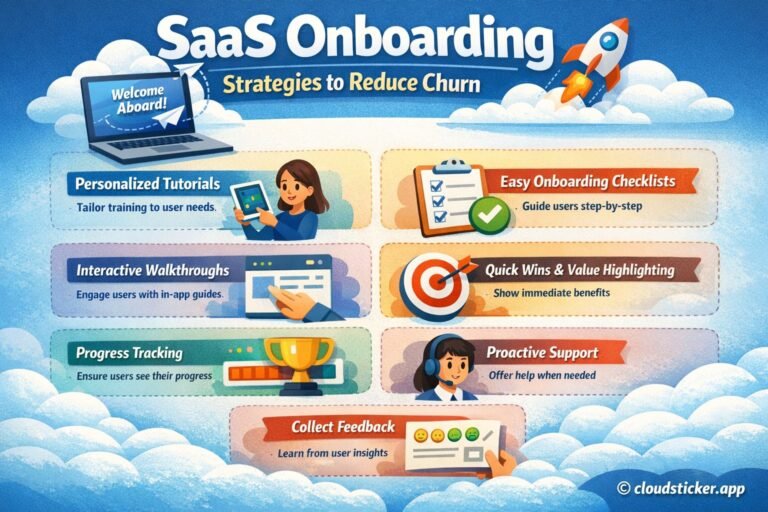
Customer retention is paramount for SaaS businesses, as acquiring new customers is often more expensive than retaining existing ones. Developing comprehensive retention strategies can significantly impact profitability. This includes providing exceptional customer service, regular engagement, and continuous product improvements based on user feedback.
Investing in customer success teams can enhance retention efforts. These teams focus on helping customers achieve their goals with the software, thus fostering loyalty and reducing churn. Regular check-ins, training sessions, and resources can keep users engaged and satisfied, leading to long-term relationships.
Additionally, implementing loyalty programs or offering incentives for long-term subscriptions can motivate customers to stay. Recognizing and rewarding customer loyalty demonstrates a commitment to their success, reinforcing the value of the relationship. By prioritizing retention, organizations can secure a stable revenue stream and improve overall profitability.
Analyzing Data: How Metrics Influence Monetization Choices
Data analytics plays a critical role in shaping effective monetization strategies for SaaS companies. By monitoring key performance indicators (KPIs) such as churn rate, customer acquisition cost, and net promoter score, organizations can make informed decisions about pricing and product offerings. These metrics provide insights into customer behavior, allowing for the identification of trends and opportunities.
Moreover, A/B testing can be employed to evaluate the impact of different pricing strategies or promotional offers. By comparing customer responses to various approaches, organizations can fine-tune their monetization tactics to maximize profitability. This iterative process enables SaaS companies to adapt quickly to market changes and customer preferences.
In addition to real-time data analysis, organizations should also leverage historical data to forecast revenue and identify areas for improvement. By examining past performance, companies can uncover patterns that inform future decisions. This proactive approach to data utilization can lead to optimized monetization strategies and sustained profitability.
Maximizing profitability in the SaaS landscape demands a strategic approach to monetization. By understanding key concepts, choosing the right subscription models, implementing tiered pricing, and utilizing data-driven insights, organizations can create a sustainable revenue stream. Continuous adaptation and a focus on customer needs will further enhance profitability, ensuring long-term success in this competitive industry.
Tags: SaaS, monetization strategies, profitability, subscription models, customer retention, data analytics, pricing strategies, upselling, freemium, customer experience
Hashtags: #SaaS #Profitability #Monetization #CustomerRetention #DataDriven
External Source: For more insights on SaaS monetization strategies, visit ProfitWell for expert guidance and resources.