Activation-Optimized SaaS User Experiences That Convert Fast
Activation-Optimized SaaS User Experiences That Convert Fast is a critical topic in the realm of Software as a Service (SaaS). In today’s competitive landscape, where numerous platforms vie for user attention, businesses must focus on creating seamless and engaging experiences that drive quick conversions. As users become increasingly discerning, understanding how to optimize every touchpoint in the user journey is essential for success. This article delves into the nuances of activation-optimized user experiences, emphasizing the importance of fast conversion rates and outlining effective strategies that can be implemented to enhance user engagement and retention.
Understanding Activation-Optimized User Experiences in SaaS
Activation-optimized user experiences are designed to facilitate a smooth transition from initial sign-up to active user engagement. The goal is to minimize friction during the onboarding process, which can often be a barrier to user activation. By creating a streamlined experience that provides immediate value, SaaS companies can encourage users to explore further features, ultimately leading to higher retention rates. The essence of an activation-optimized experience lies in understanding user needs and ensuring that the platform meets these needs promptly.
At the crux of activation optimization is the user journey map. This tool identifies critical touchpoints where users may encounter obstacles. By analyzing user behavior data and feedback, businesses can pinpoint where users drop off and adjust their strategies accordingly. This continuous improvement loop helps in refining the experiences offered, ensuring that they align with user expectations. Moreover, it fosters a sense of ownership and satisfaction among users, as they feel their needs are being prioritized.
Another integral aspect is the personalization of experiences. Users today expect tailored solutions that resonate with their unique requirements. By incorporating customizable features and personalized onboarding paths, SaaS platforms can significantly enhance user satisfaction. This approach not only fosters user engagement but also encourages loyalty, making it essential for organizations to invest in personalization technologies and strategies as part of their activation-optimized user experience.
The Importance of Fast Conversion in SaaS Platforms
Fast conversion is vital for SaaS platforms, as the initial moments of user engagement can significantly influence long-term retention. Research suggests that users who experience quick, positive onboarding are more likely to remain active and loyal customers. This scenario highlights the importance of reducing the time it takes for a user to realize the value of a platform. When users grasp the benefits of a SaaS solution swiftly, they are more inclined to convert from trials to paid subscriptions.
Moreover, in today’s fast-paced digital environment, users have little patience for cumbersome processes. A lengthy sign-up or onboarding process can lead to frustration, resulting in high abandonment rates. Fast conversions help ensure that users can quickly access and utilize critical features, driving their engagement and satisfaction. A focus on speed not only enhances user experience but also improves overall metrics for the business, such as customer acquisition costs and lifetime value.
Furthermore, fast conversions allow businesses to build momentum. When users see immediate results from their interactions with the platform, they are more likely to share their experiences, leading to organic growth through referrals. In an industry where word-of-mouth can significantly influence brand perception, optimizing the conversion speed can be a game-changer for SaaS businesses aiming for rapid growth and market penetration.
Key Elements of an Effective User Activation Strategy
An effective user activation strategy begins with a clear understanding of target audiences and their specific needs. Businesses should invest time in creating detailed user personas that capture the characteristics and behaviors of their ideal customers. This understanding allows for the development of tailored onboarding processes that resonate with users and address their pain points. By speaking directly to users’ needs, companies can create compelling calls to action that encourage engagement.
Another critical element is the use of data analytics to monitor user interactions and behaviors post-sign-up. Tracking metrics such as time spent on the platform, feature usage frequency, and user feedback can provide invaluable insights into user experience. By employing analytics tools, SaaS companies can identify areas that need improvement and swiftly address these issues to enhance overall satisfaction. Data-driven decision-making is essential for refining user activation strategies and driving faster conversions.
Lastly, creating a supportive community can significantly enhance a user activation strategy. When users have access to resources such as forums, chat support, or knowledge bases, they can find answers to their questions more quickly. Building a strong community not only fosters engagement but also provides users with a sense of belonging. This collective knowledge encourages users to explore the platform further, ultimately leading to better conversion rates as they become more invested in the product.
Designing Seamless Onboarding Processes for Users
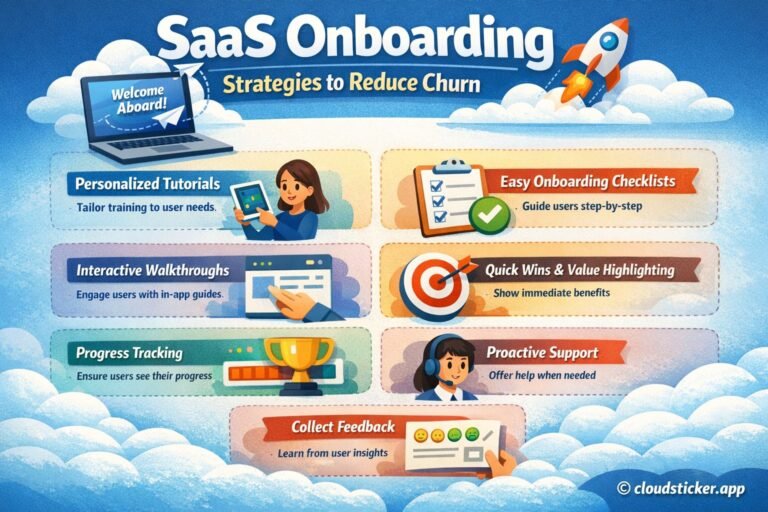
Designing seamless onboarding processes is fundamental for maximizing user activation. The onboarding experience should be intuitive, guiding users through essential features and functionalities with clarity and simplicity. This can be achieved by employing walkthroughs, tooltips, and interactive tutorials that highlight key functionalities without overwhelming users. The objective is to create an environment where users feel comfortable exploring the platform and gradually discovering its full potential.
To enhance onboarding, businesses should also consider the timing of their touchpoints. Implementing a phased approach can be highly effective, where users are introduced to a few features at a time rather than overwhelming them with all functionalities at once. This gradual immersion allows users to develop a solid understanding of the platform while encouraging them to return for subsequent learning sessions. By spacing out the onboarding process, companies can maintain user interest and engagement over a more extended period.
Finally, gamification can be a powerful tool to enhance the onboarding experience. Incorporating elements such as badges, points, and progress tracking can motivate users to engage with the platform more actively. This approach not only makes the onboarding process enjoyable but also encourages users to complete essential tasks that lead to activation. Gamified elements can instill a sense of achievement and progression, which can significantly enhance user satisfaction and retention.
Leveraging User Feedback for Continuous Improvement
User feedback is a cornerstone of continuous improvement in activation-optimized SaaS experiences. Regularly soliciting feedback through surveys, interviews, or usability testing can provide organizations with valuable insights into user satisfaction and pain points. By actively engaging with users, businesses can identify areas that may require enhancement or tweaking, ensuring that their offerings remain relevant and user-centric.
Additionally, integrating user feedback into the development cycle can result in rapid iteration and refinement of features. Agile methodologies can be employed to react swiftly to user insights, allowing for incremental improvements and updates based on real-time feedback. This responsiveness not only fosters trust and loyalty among users but also positions the company as adaptable and customer-focused in a competitive landscape.
Furthermore, showcasing improvements made from user feedback can create a positive feedback loop. When users see that their suggestions have led to tangible changes, it reinforces their belief that their voices are heard and valued. This engagement can lead to increased loyalty, as satisfied users are more likely to become advocates for the brand, spreading the word and contributing to future conversions.
Optimizing UI/UX for Enhanced Engagement and Retention
The user interface (UI) and user experience (UX) are critical in determining how users interact with a SaaS platform. A well-designed UI should be visually appealing, intuitive, and responsive, making it easy for users to navigate and complete tasks. Companies must prioritize consistency in design elements, ensuring that users can predict how to interact with various features across the platform. An optimized UI not only enhances user satisfaction but also directly impacts conversion rates.
Moreover, user experience should encompass accessibility considerations. Ensuring that the platform is usable for individuals with varying abilities can significantly broaden the user base. By adhering to web accessibility standards and best practices, SaaS businesses can create inclusive experiences that cater to all users, fostering engagement and retention. Companies can leverage accessibility tools to evaluate their platforms and identify areas for improvement.
Lastly, regular A/B testing of UI elements can lead to incremental enhancements that drive engagement. By experimenting with different layouts, color schemes, or calls to action, businesses can gather data on user preferences and behaviors. This iterative approach allows for continuous refinement of the user experience, ensuring that the platform evolves in line with user expectations and market trends.
Real-World Examples of Successful SaaS Conversions
Numerous SaaS companies have effectively implemented activation-optimized user experiences that lead to impressive conversion rates. For instance, Slack, the popular messaging platform, has successfully streamlined its onboarding process to help users understand the capabilities of the application quickly. By providing interactive tutorials that guide users through essential features, Slack has managed to maintain a high rate of user activation and retention.
Another example is HubSpot, a leading marketing automation platform that has focused on creating a personalized onboarding experience. By utilizing user data to tailor recommendations and resources, HubSpot has improved engagement levels among its users. This personalized touch encourages users to explore the platform further, significantly improving conversion rates from free trials to paid subscriptions.
Finally, Zoom has effectively optimized its user experience to accommodate rapid growth during the pandemic. The platform’s straightforward onboarding process and focus on user-friendly interfaces have contributed to its meteoric rise in user adoption. By ensuring that users can easily access and utilize core functionalities, Zoom has successfully translated initial interest into long-term engagement and loyalty.
Future Trends in Activation-Optimized User Experiences
As the SaaS landscape continues to evolve, so too will the strategies for optimizing user experiences. One emerging trend is the use of artificial intelligence (AI) and machine learning to personalize onboarding experiences further. By analyzing user behavior patterns, AI can suggest tailored pathways that guide users through the platform in a way that resonates with their unique needs. This level of personalization can significantly enhance user satisfaction and engagement.
Another trend is the integration of virtual and augmented reality (VR/AR) into onboarding processes. As technology advances, immersive experiences can help users visualize complex functionalities and scenarios, leading to better understanding and retention. This innovative approach can transform traditional onboarding practices and make user activation more engaging and memorable.
Finally, the increasing focus on data privacy and security will shape user experiences in the future. SaaS companies will need to prioritize transparency and user control over personal data, ensuring that users feel safe and secure in their interactions with the platform. By embedding robust privacy features into the user experience, companies can build trust and loyalty, which are essential for long-term success in the SaaS industry.
In conclusion, activation-optimized SaaS user experiences are essential for driving fast conversions and fostering long-term engagement. By prioritizing seamless onboarding processes, leveraging user feedback, optimizing UI/UX, and keeping an eye on future trends, businesses can create compelling experiences that resonate with users and encourage them to invest in solutions. As the SaaS landscape continues to grow, embracing these strategies will be critical for organizations aiming to stand out in a crowded marketplace.
Meta Description: Discover effective strategies for creating activation-optimized SaaS user experiences that drive fast conversions and enhance user engagement.
Tags: SaaS, User Experience, Conversion Optimization, Onboarding, User Engagement, Personalization, Data Analytics, UI/UX Design, Customer Retention, Feedback Loops
Hashtags: #SaaS #UserExperience #ConversionOptimization #CustomerRetention #TechTrends