Lifecycle-Optimized SaaS Revenue Systems That Work
Lifecycle-Optimized SaaS Revenue Systems represent a strategic approach designed to enhance revenue generation throughout the entire customer lifecycle. As the SaaS landscape evolves, organizations must adopt sophisticated revenue models that not only attract new customers but also retain and monetize existing ones. This article delves into the integral components and best practices for optimizing SaaS revenue systems, ultimately paving the way for sustainable growth and profitability.
Understanding Lifecycle-Optimized SaaS Revenue Systems
Lifecycle-Optimized SaaS Revenue Systems are frameworks that focus on maximizing revenue through a structured understanding of the customer journey, from acquisition to renewal. Unlike traditional revenue models that emphasize one-time sales, these systems are built on the philosophy of long-term customer value. By analyzing the customer lifecycle, organizations can identify opportunities to enhance the user experience, streamline onboarding processes, and foster higher engagement rates.
A key aspect of these systems is their adaptability. By continuously analyzing customer behavior and feedback, SaaS companies can tailor their offerings to meet evolving needs. This dynamic approach not only improves customer satisfaction but also drives recurring revenue through subscriptions. Lifecycle-optimized systems allow businesses to predict potential churn points, enabling proactive measures to retain customers and increase lifetime value.
Furthermore, implementing a lifecycle-optimized revenue system requires a cross-functional team approach. Sales, marketing, customer success, and product teams must collaborate to create a seamless experience. By aligning their efforts, organizations can ensure that each touchpoint in the customer lifecycle is strategically designed to enhance satisfaction and drive conversions.
Key Components of Successful SaaS Revenue Strategies
Successful SaaS revenue strategies incorporate several key components that work in harmony to optimize the customer lifecycle. First and foremost, effective pricing models play a critical role. Subscription-based pricing, tiered packages, and freemium models are common strategies that allow customers to choose plans that best fit their needs. Understanding the unique value propositions of each tier can help organizations effectively communicate benefits, ultimately driving more conversions.
Another essential component is customer segmentation. By analyzing customer data, businesses can categorize their audience based on behavior, needs, and spending habits. This segmentation allows for more personalized marketing campaigns and customer interactions, which can drive higher engagement and loyalty. Tailoring the messaging and offers to specific segments can significantly enhance the efficacy of marketing efforts, ultimately resulting in higher conversion rates.
Additionally, a robust onboarding process is essential. The initial experience can significantly influence whether a customer becomes a long-term user. Effective onboarding helps customers understand the value of the product quickly and reduces the time to achieve their first success with the software. This, in turn, can lead to lower churn rates and higher customer satisfaction.
Driving Customer Engagement Through the Lifecycle
Engaging customers throughout their lifecycle is vital for SaaS companies aiming to maximize revenue. This begins with effective onboarding, which should not only guide users through the initial setup but also demonstrate how to achieve their desired outcomes. Effective onboarding sets the tone for the customer relationship, emphasizing the value of the software from the outset.
Continuous education and support are crucial for maintaining engagement. Regularly scheduled webinars, training sessions, and tutorials can provide customers with insights into new features and best practices. This not only helps customers maximize their investment but also fosters a sense of community. Engaged customers are more likely to advocate for the brand, leading to organic growth through referrals.
Customer feedback loops also play a significant role in engagement. By actively soliciting and acting on customer feedback, organizations can make meaningful improvements to their products and services. When customers see that their opinions matter, they are more likely to stay engaged and invested in the relationship, contributing to overall revenue growth.
Metrics to Measure SaaS Revenue Performance Effectively
To optimize revenue systems, organizations must establish key performance metrics that provide insights into various aspects of the customer lifecycle. One of the most critical metrics is the Customer Acquisition Cost (CAC). This measures how much a company spends to acquire a new customer and helps assess the efficiency of marketing and sales efforts. Keeping CAC in check while increasing the average revenue per user (ARPU) is vital for sustainable growth.
Another important metric is the Customer Lifetime Value (CLV). This calculates the total revenue a company can expect from a single customer throughout their relationship. Understanding CLV helps organizations make informed decisions about how much they can invest in customer acquisition and retention strategies. A positive ratio of CLV to CAC indicates a healthy business model.
Churn rate is yet another critical metric, representing the percentage of customers who discontinue their subscriptions over a given period. A high churn rate can signal underlying issues with the product, customer service, or market fit. Monitoring churn rates allows organizations to pinpoint weaknesses and implement strategies to improve customer retention, ultimately leading to improved revenue performance.
Implementing Automation in Revenue Generation Systems
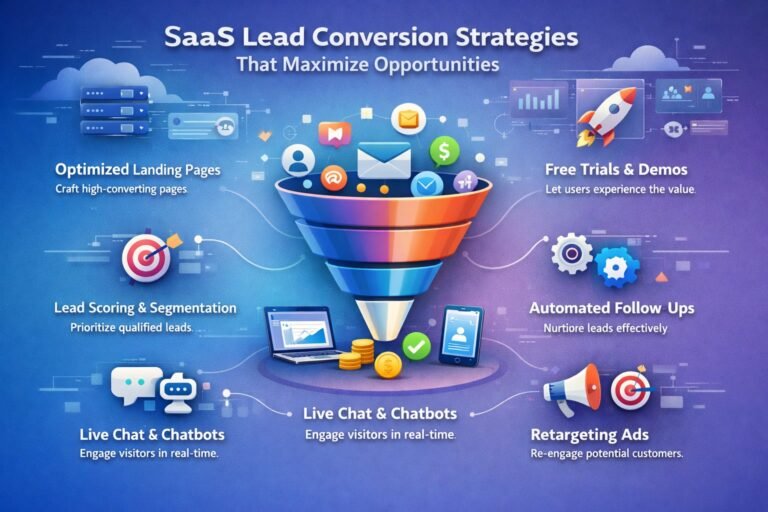
Automation is a key enabler of lifecycle-optimized revenue systems. By implementing automated workflows, SaaS companies can enhance efficiency across various revenue-generating processes. For instance, automated email marketing campaigns can nurture leads, guiding them through the customer journey without requiring constant manual intervention. This not only saves time but also ensures a consistent customer experience.
Additionally, automation can streamline customer onboarding and support. Chatbots and automated response systems can handle common inquiries, freeing up human resources for more complex issues. This not only improves response times but also enhances customer satisfaction. Automated onboarding processes can also provide users with relevant resources and tips, helping them derive maximum value from the software.
Finally, automation can be instrumental in tracking customer interactions and generating analytics reports. By centralizing data collection and performance monitoring, organizations can gain valuable insights that inform strategic decisions. Automated reporting tools can highlight performance trends, enabling teams to pivot quickly in response to market changes or customer feedback.
Adapting to Market Changes in SaaS Revenue Planning
The SaaS landscape is characterized by rapid changes driven by emerging technologies and shifting customer expectations. To thrive in this environment, organizations must remain agile and adaptable in their revenue planning. Regular market analysis is essential, allowing companies to identify trends and anticipate customer needs before they arise.
Flexibility in pricing models is another crucial aspect of adapting to market changes. Organizations should regularly evaluate their pricing strategies to ensure they remain competitive and aligned with customer expectations. Introducing new tiers or differentiating features can attract new customers and retain existing ones. A willingness to experiment with pricing can yield significant rewards in customer acquisition and retention.
Moreover, keeping an eye on competitors can provide valuable insights. Understanding how rival companies evolve their offerings and pricing can inform a SaaS organization’s strategy. Staying ahead requires not just knowledge of market trends but also a proactive approach to innovation and customer engagement. Regularly updating features or introducing new services can keep a company at the forefront of the industry.
Real-World Examples of SaaS Revenue Success Stories
Examining successful SaaS companies can provide valuable lessons in effective revenue optimization. One noteworthy example is Salesforce, a leader in customer relationship management. Their lifecycle-optimized approach involves comprehensive customer engagement strategies, including personalized onboarding, regular training sessions, and a robust support network. By continually investing in customer success, Salesforce has seen substantial growth in both new customer acquisition and existing customer retention.
Another success story is HubSpot, known for its inbound marketing software. HubSpot effectively utilizes customer segmentation and personalized marketing strategies to engage users throughout their lifecycle. Their focus on providing valuable content, such as blogs and webinars, has made them a go-to resource for marketing professionals. This has not only fostered a loyal customer base but also facilitated organic growth through referrals.
Finally, Zoom stands out for its ability to adapt quickly to market demands. During the surge of remote work, Zoom expanded its features and pricing tiers to accommodate a broader audience, from individual users to large enterprises. Their responsive approach to customer feedback and market needs has resulted in an impressive increase in revenue, underscoring the importance of agility in SaaS revenue systems.
Future Trends in Lifecycle-Optimized SaaS Revenue Systems
As the SaaS industry continues to evolve, several trends are shaping the future of lifecycle-optimized revenue systems. One significant trend is the increasing importance of artificial intelligence (AI) and machine learning. These technologies are enabling SaaS companies to analyze customer data more effectively, leading to personalized experiences and predictive analytics. Leveraging AI can help organizations anticipate customer needs and improve engagement, ultimately driving revenue growth.
The shift towards subscription-based models is also expected to continue. More businesses across various industries are recognizing the benefits of recurring revenue streams. This transition necessitates a focus on customer retention strategies, as organizations must prioritize delivering continuous value to keep customers subscribed.
Lastly, integration and interoperability among SaaS products are becoming increasingly important. As businesses seek to streamline operations, the ability to integrate different software solutions can enhance customer satisfaction and drive revenue. SaaS companies that can offer easy integrations with other popular tools will likely gain a competitive advantage in the market.
Lifecycle-Optimized SaaS Revenue Systems provide a comprehensive framework for maximizing revenue throughout the customer journey. By understanding the key components, metrics, and trends in this space, organizations can adapt their strategies to meet dynamic market demands. Companies that invest in lifecycle optimization can not only enhance customer satisfaction but also drive sustainable growth, ensuring long-term success in a competitive landscape.
Tags: SaaS, revenue optimization, customer engagement, subscription model, business strategy, automation, market trends, customer retention, analytics, growth
Hashtags: #SaaS #RevenueOptimization #CustomerEngagement #BusinessStrategy #Automation
External Source: For more insights on SaaS revenue optimization, visit SaaStr