High-Impact SaaS Product Differentiation Strategies
In the rapidly evolving landscape of Software as a Service (SaaS), achieving product differentiation is not just a strategy; it’s a necessity for survival and growth. As the market becomes saturated with similar offerings, organizations must carve out unique identities that resonate with their target audiences. High-impact SaaS product differentiation goes beyond basic features; it encompasses a holistic approach that considers customer experience, technology, market segmentation, and brand identity. This article explores effective strategies that can help SaaS companies stand out in a crowded marketplace.
Understanding High-Impact SaaS Product Differentiation
High-impact SaaS product differentiation is a strategic approach that enables companies to create a unique market position. Rather than merely competing on price or features, successful SaaS organizations strive to offer distinctive value propositions that resonate with their target customers. This differentiation often involves a deep understanding of customer pain points and the ability to address these needs in innovative ways. For example, a project management tool might differentiate itself by integrating advanced analytics or customizable workflows specific to different industries, catering to the unique needs of each user.
Moreover, high-impact differentiation requires a keen awareness of the competitive landscape. Companies should regularly evaluate their competitors’ offerings, pricing models, and customer feedback. By identifying gaps in the market, SaaS providers can develop solutions that not only meet existing demands but also anticipate future trends. This proactive approach to innovation fosters long-term loyalty and positions the organization as a thought leader in their domain.
Additionally, high-impact differentiation is not a one-time effort; it requires continuous evolution. As customer needs and technological advancements innovate, companies must remain agile and responsive. Organizations that prioritize adaptability are more likely to maintain relevance and resist obsolescence in the fast-paced tech world. Therefore, cultivating a culture of innovation and feedback within the organization is crucial for sustained differentiation.
The Importance of Unique Value Propositions in SaaS
A unique value proposition (UVP) is essential in distinguishing a SaaS product from its competitors. It succinctly communicates the specific benefits and value that a product provides to its customers, effectively answering the question: “Why should a customer choose us over others?” A compelling UVP should focus on what makes the product unique, whether it’s a special feature, a specific use case, or customer support excellence.
For instance, a marketing automation platform may highlight its AI-driven insights that enable users to optimize campaigns in real time. By emphasizing how these features lead to tangible results, such as increased engagement or ROI, companies can attract more prospects. A strong UVP not only aids in attracting new customers but also helps in retaining existing ones by reinforcing the reasons they chose the product in the first place.
Moreover, the UVP should be integrated into all aspects of the business, from marketing materials and sales pitches to customer service interactions. Consistent messaging reinforces the brand and helps foster customer loyalty. Companies that fail to clarify their UVP often struggle to convey their unique advantages, leading to misunderstandings and lost opportunities in a competitive market.
Key Strategies for Effective Market Segmentation
Market segmentation is a pivotal strategy for SaaS companies looking to differentiate themselves in a crowded landscape. By categorizing potential customers based on shared characteristics such as industry, company size, or specific needs, organizations can tailor their messaging and products to resonate with different segments. For example, a financial management software tailored for small businesses may offer features distinct from those intended for large corporations, leading to a more personalized customer experience.
Effective segmentation enables companies to focus their marketing efforts on the most promising leads, optimizing resources and maximizing return on investment. Rather than adopting a one-size-fits-all approach, organizations can create targeted campaigns that address the unique challenges faced by different segments, thereby increasing engagement and conversion rates.
Additionally, leveraging data analytics can enhance market segmentation strategies. By analyzing customer behavior, preferences, and feedback, companies can obtain insights that guide product development and marketing strategies. This data-driven approach allows SaaS providers to stay ahead of market trends and adapt quickly to changing customer needs, ensuring that their offerings remain relevant and appealing.
Leveraging Customer Feedback for Product Differentiation
Customer feedback is an invaluable asset for SaaS companies aiming to differentiate their products. Actively soliciting insights from users can provide critical information about what features they value most and what challenges they face. This feedback loop not only helps in refining existing features but also informs the development of new offerings that align with customer desires.
For instance, a cloud storage provider might discover through customer feedback that users are demanding stronger security features. By responding to this input and implementing enhanced security protocols, the company can differentiate itself as a market leader in data protection. This responsiveness not only strengthens customer relationships but also positions the brand as attentive and user-focused.
Furthermore, organizations should establish ongoing channels for customer communication, such as surveys, user forums, and feedback sessions. By fostering an environment where customers feel heard, companies can build stronger relationships and enhance retention rates. Satisfied customers are more likely to become brand advocates, helping to spread the word about the company and its unique offerings, further solidifying its position in the market.
Building a Strong Brand Identity in the SaaS Space
A strong brand identity is crucial for any SaaS company looking to differentiate itself. This identity encompasses visual elements, messaging, and the overall customer experience associated with the product. By creating a memorable brand, organizations can foster recognition and loyalty among their target audience. For example, a SaaS company that utilizes vibrant colors, catchy slogans, and engaging content can create a distinct personality that appeals to its market.
Moreover, consistency in branding is paramount across all platforms, including social media, the company website, and customer communication channels. A cohesive brand identity reinforces the company’s values and mission, making it easier for customers to connect emotionally with the brand. When consumers feel a connection, they are more likely to remain loyal and advocate for the brand.
Additionally, storytelling is a powerful tool in shaping brand identity. By sharing the company’s journey, mission, and values, SaaS providers can create an emotional connection with their audience. This narrative can be woven into marketing materials, social media posts, and customer interactions, enhancing the brand’s appeal and differentiating it from competitors who may lack a compelling story.
Utilizing Advanced Technology to Stand Out
In today’s tech-driven world, leveraging advanced technology is a critical factor for SaaS differentiation. Companies that adopt cutting-edge technologies can enhance their offerings and provide unique experiences to customers. For example, incorporating artificial intelligence can lead to improved decision-making processes, automation of routine tasks, and personalized user experiences.
By utilizing technology such as machine learning and data analytics, SaaS companies can offer features that competitors may not provide. A customer relationship management (CRM) tool that uses AI to analyze customer interactions can provide insights that help businesses tailor their sales approach. This not only enhances the user experience but also establishes the company as a forward-thinking innovator.
In addition, adopting cloud-based solutions ensures scalability and flexibility, allowing SaaS providers to meet changing customer demands. The ability to update products in real-time and offer new features without requiring significant downtime can be a significant differentiator. Organizations that remain at the forefront of technological advancements are better positioned to attract and retain customers in an increasingly competitive landscape.
Crafting a Compelling Customer Experience Journey
Customer experience (CX) plays a crucial role in product differentiation for SaaS companies. A seamless and enjoyable customer journey can set organizations apart from competitors. From the initial interaction on the website to onboarding and ongoing support, every touchpoint should be designed with the user in mind. For example, providing a straightforward sign-up process can reduce friction and enhance user satisfaction from the start.
Additionally, personalized experiences can significantly impact customer satisfaction and retention. By utilizing data to customize interactions based on user preferences and behavior, companies can create tailored experiences that resonate with their audience. A SaaS provider that offers a personalized dashboard based on user habits showcases how understanding customer needs can enhance the overall experience.
Furthermore, investing in customer support is essential for fostering a positive journey. Offering multiple channels for support, such as live chat, email, and phone, can cater to different customer preferences. By ensuring that help is readily available, SaaS companies can build trust and loyalty, which are critical for long-term success.
Measuring Success: Metrics for SaaS Differentiation
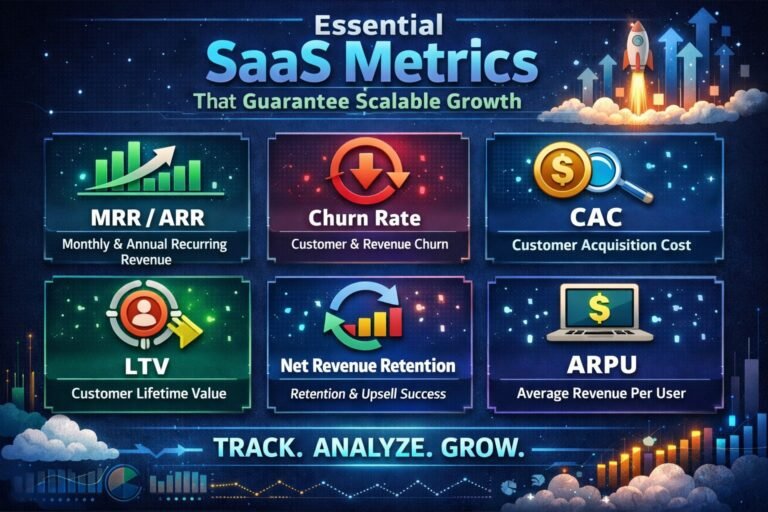
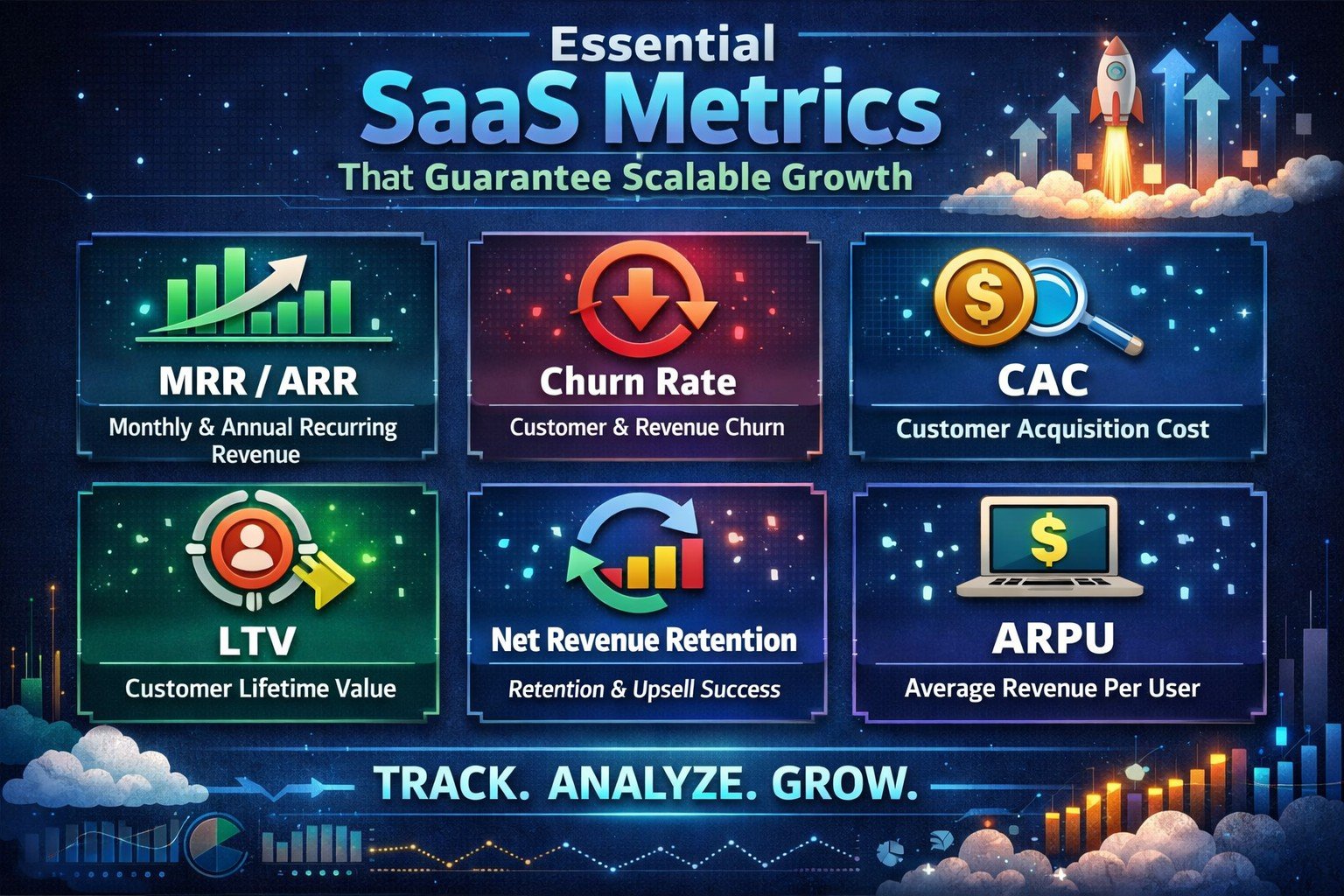
To evaluate the effectiveness of differentiation strategies, SaaS companies should utilize specific metrics that provide insights into customer satisfaction, retention, and overall success. Key performance indicators (KPIs) such as customer lifetime value (CLV), churn rate, and net promoter score (NPS) can offer valuable insights into how well a company is meeting its differentiation goals.
Customer lifetime value helps organizations understand the long-term value of acquiring and retaining customers. A high CLV indicates successful differentiation and customer satisfaction, while a rising churn rate may signal the need for strategic adjustments. Monitoring NPS allows companies to gauge customer loyalty and advocacy, providing insights into whether the brand is resonating with its audience.
Additionally, companies should regularly assess the impact of their differentiation strategies on revenue growth and market share. By tracking these metrics over time, organizations can determine the effectiveness of their initiatives and make data-driven decisions to refine their approaches. Regular assessments ensure that SaaS providers remain agile and responsive, enabling them to adapt to changing market conditions and customer needs.
Conclusion – High-Impact SaaS Product Differentiation Strategies
In SaaS, high-impact product differentiation is essential for establishing a unique market presence. By understanding customer needs, leveraging technology, and focusing on an exceptional customer experience, organizations can create compelling value propositions that resonate with their target audiences. As the market continues to evolve, those who prioritize differentiation will not only survive but thrive, paving the way for sustained growth and success. By implementing these strategies, SaaS companies can secure their place as industry leaders and stay ahead of the competition.
Tags: SaaS, product differentiation, customer experience, technology, brand identity, market segmentation, customer feedback, SaaS metrics, unique value proposition, innovation
Hashtags: #SaaS #ProductDifferentiation #CustomerExperience #Innovation #BrandIdentity