
SaaS Conversion Rate Optimization Strategies That Boost Revenue
In an increasingly digital world, software as a service (SaaS) has become a vital business model for countless enterprises. However, the mere existence of a SaaS product is not enough to guarantee success. The conversion rate plays a pivotal role in determining how many potential customers transition into paying users. Conversion rate optimization (CRO) is, therefore, an ongoing priority for SaaS companies looking to boost their revenue and scale sustainably. This article explores a range of effective strategies tailored for improving SaaS conversion rates, offering actionable insights to help your organization thrive.
Understanding SaaS Conversion Rates and Their Importance
In the SaaS landscape, the conversion rate is defined as the percentage of users who take a desired action, such as signing up for a free trial, upgrading to a paid plan, or completing a purchase. Understanding this metric is crucial, as it directly impacts revenue and long-term customer retention. A high conversion rate reflects not only the effectiveness of your marketing funnel but also the overall appeal and usability of your product.
The importance of conversion rates cannot be overstated. Companies with high conversion rates tend to experience exponential growth, as they are able to generate more revenue from their existing traffic. In contrast, businesses struggling with low conversion rates may find themselves investing heavily in marketing efforts without seeing a corresponding increase in sales. Thus, focusing on optimizing conversion rates can create a more efficient, revenue-driven business model.
Moreover, understanding the nuances of your conversion rates allows for better strategic planning. For instance, segmenting conversion metrics by user demographics, traffic sources, or device types can reveal valuable insights. This segmentation enables organizations to tailor their marketing strategies and product offerings, ensuring they meet the specific needs and preferences of different user groups.
Key Metrics to Track for Effective Optimization
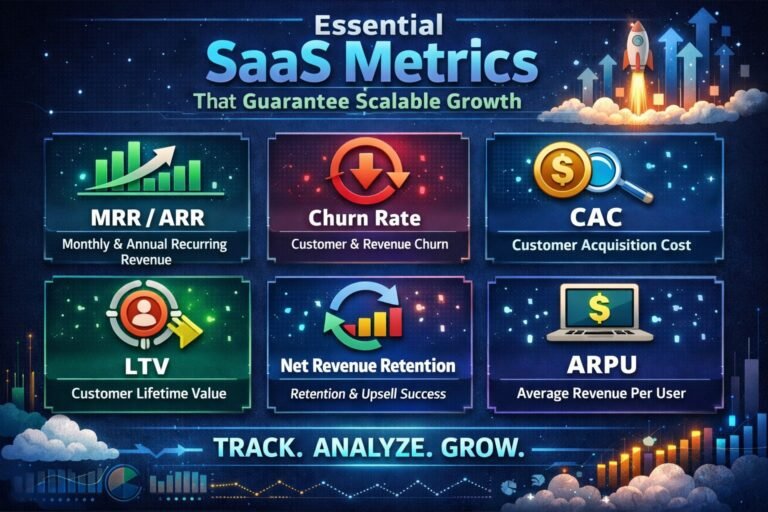
To effectively optimize conversion rates, it is essential to monitor several key metrics. Firstly, the conversion rate itself is foundational, acting as a performance indicator for your marketing and sales efforts. Tracking this metric over time allows you to gauge the effectiveness of your optimization strategies and make necessary adjustments.
Secondly, metrics such as Customer Acquisition Cost (CAC) and Customer Lifetime Value (CLV) are critical. CAC reflects how much you’re spending to acquire a new customer, while CLV indicates the total revenue you can expect from a customer over their lifetime. Balancing these metrics can help ensure that your marketing budget is effectively aligned with revenue growth, ultimately maximizing profitability.
Finally, tracking churn rate is equally important. This metric indicates the percentage of customers who discontinue their subscriptions within a defined period. A high churn rate can undermine conversion efforts, negating the benefits of acquiring new customers. By understanding why customers churn and addressing those pain points, organizations can improve their retention rates and, as a result, their overall conversion rates.
Strategies for Improving Landing Page Performance
Landing pages are often the first point of contact between potential customers and your SaaS offering. Therefore, optimizing them for conversions is crucial. One effective strategy is to focus on providing a clear, compelling value proposition. Highlighting what sets your product apart and clearly addressing customer pain points can create an immediate connection. Simplicity is vital; users should easily understand what you offer and why it matters to them.
Another important aspect is the design and layout of your landing page. A clean, visually appealing design can significantly enhance user engagement. Incorporating elements like testimonials, customer logos, or even case studies can build credibility and trust. Additionally, ensuring your landing page is mobile-responsive is essential, as many users may be accessing your site from their smartphones or tablets.
Finally, pay attention to the call-to-action (CTA). Your CTA should be prominently displayed and clearly articulated. Use action-oriented language that encourages users to take the desired step, whether that’s signing up for a trial or downloading a resource. Employing contrasting colors or buttons can also improve visibility, prompting users to engage more readily with your offerings.
Using A/B Testing to Refine Your Approach
A/B testing, or split testing, is a powerful tool for SaaS companies aiming to improve their conversion rates. By comparing two or more variations of a webpage or marketing element, organizations can identify which performs better in terms of user engagement and conversions. This data-driven approach empowers decision-makers to make informed choices, rather than relying on intuition or guesswork.
When conducting A/B tests, it’s important to focus on one variable at a time. Whether you’re testing different headlines, images, or CTA buttons, isolating individual elements allows for clearer insights into what specifically drives user behavior. Once a winner emerges, implement that change across your site to maximize overall impact.
Additionally, don’t forget to test beyond just landing pages. Email campaigns, pricing pages, and even onboarding processes can all benefit from A/B testing. Continuously refining your approach through iterative testing can lead to significant, sustained improvements in conversion rates, ultimately boosting revenue over time.
Enhancing User Experience to Drive Conversions
User experience (UX) is central to the conversion process, as it affects how potential customers interact with your product. A smooth, intuitive UX can significantly improve conversion rates by reducing friction and making it easier for users to navigate your offerings. Invest in user research and usability testing to identify pain points in your UX, allowing for targeted improvements.
One key aspect of enhancing UX is optimizing onboarding processes. A streamlined onboarding experience can guide users through the initial stages effectively, showcasing the value of your product and leading them toward conversion. Incorporating interactive tutorials, tooltips, or personalized guidance can help users quickly understand how to leverage your software, ultimately increasing their likelihood of conversion.
Moreover, ensuring that your website is fast and responsive is essential. Long loading times can lead to frustration and increased bounce rates, ultimately hurting your conversion efforts. Conduct website performance audits, utilizing tools like Google PageSpeed Insights, to identify areas for improvement. A faster, more responsive site will enhance user satisfaction and drive higher conversion rates.
The Role of Customer Feedback in Optimization
Customer feedback is an invaluable resource for SaaS companies looking to optimize their conversion rates. Surveys, interviews, and feedback forms can provide insights into what users appreciate about your product and where they face challenges. This data can guide your optimization strategies, helping you create solutions that resonate with your audience.
Incorporating feedback loops into your product development cycle can foster a customer-centric approach. Regularly soliciting user input not only enhances your offerings but also demonstrates to customers that their opinions matter. This strengthened relationship can lead to increased loyalty and advocacy, negatively impacting churn rates while positively affecting conversion rates.
Additionally, analyzing feedback trends can identify common pain points or feature requests. Addressing these issues can lead to substantial improvements in user satisfaction, making it easier for potential customers to see the value in your product. Engaging with your user base shows commitment to improving their experience, often translating into higher conversion rates as satisfied customers recommend your product to others.
Leveraging Email Marketing for Higher Conversions
Email marketing serves as a vital channel for nurturing leads and driving conversions in the SaaS space. By creating targeted email campaigns that speak directly to user needs, organizations can guide potential customers through the sales funnel. Segmenting your email list based on user behavior can enhance the relevance of your messages, increasing the likelihood of conversion.
Personalization is key in email marketing. Tailoring your content to individual user preferences can create a more engaging experience. Use insights from user data to craft personalized emails that address specific pain points or highlight features that align with their needs. This kind of targeted outreach fosters a stronger connection and can significantly impact conversion rates.
Furthermore, consider implementing automated email sequences for onboarding, nurturing, and re-engagement. Automated workflows can help keep potential customers engaged without overwhelming your team. For instance, a series of onboarding emails that guide users through your platform can enhance their understanding and encourage them to explore features, ultimately increasing the likelihood of conversion.
Integrating Analytics Tools for Data-Driven Decisions
In an age of data-driven decision-making, integrating analytics tools is essential for optimizing SaaS conversion rates. Tools such as Google Analytics, Mixpanel, or Amplitude can provide invaluable insights into user behavior, tracking metrics like page visits, session durations, and conversion rates. By analyzing this data, organizations can identify trends, patterns, and opportunities for optimization.
Moreover, leveraging cohort analysis can help organizations understand how different segments of users interact with your product over time. By observing the behavior and conversion rates of various user groups, businesses can tailor their marketing and product strategies to meet the specific needs of each segment. This targeted approach can ultimately lead to higher conversion rates and increased revenue.
Finally, don’t underestimate the importance of monitoring customer journey metrics. Understanding how users navigate through your site can reveal friction points that may hinder conversions. By addressing these issues, you can enhance the user experience and create a more seamless path to conversion, resulting in improved revenue performance for your SaaS offering.
Conclusion – SaaS Conversion Rate Optimization Strategies
Boosting conversion rates in the SaaS domain is not a one-time endeavor but a continuous process that requires strategic planning and execution. By understanding the importance of conversion metrics, employing effective optimization strategies, and leveraging analytics tools, organizations can significantly enhance their revenue potential. Remember that customer feedback and user experience play vital roles in this journey. Implement these strategies today to witness a transformation in your SaaS conversion rates and, ultimately, your bottom line.
Tags: SaaS, Conversion Rate Optimization, Revenue Growth, User Experience, A/B Testing, Email Marketing, Analytics, Customer Feedback, Marketing Strategies, Digital Transformation
Hashtags: #SaaS #ConversionOptimization #UserExperience #EmailMarketing #DataAnalytics