Proven SaaS Customer Success Frameworks That Reduce Churn
Effective SaaS Customer Success Frameworks are essential for SaaS businesses looking to reduce churn. Understanding the intricacies of customer engagement, satisfaction, and loyalty can significantly impact retention rates. In this article, we will explore proven frameworks that empower organizations to enhance their customer experience, optimize service delivery, and ultimately minimize churn. By the end, you will have a comprehensive understanding of the strategies to adopt for long-term success in the competitive SaaS landscape.
Understanding Customer Churn in the SaaS Landscape
Customer churn, often referred to as attrition, is a critical metric in the SaaS industry that signifies the percentage of customers who cease their subscriptions within a given timeframe. It is particularly relevant for subscription-based models, where retaining customers is paramount to sustaining revenue growth. In many cases, high churn rates can indicate underlying issues such as product dissatisfaction, lack of engagement, or poor customer support. Understanding these factors is essential for any organization aiming to thrive in this competitive environment.
The consequences of customer churn can be severe. High rates of attrition not only hurt immediate revenue but also lead to increased acquisition costs. A report by HubSpot indicates that acquiring a new customer can cost five times more than retaining an existing one. Furthermore, when customers leave, they often take with them valuable feedback and insights about your product and market fit, which could have been used for improvement.
To combat customer churn effectively, organizations must adopt a proactive approach. This involves not only identifying at-risk customers but also understanding the root causes of their dissatisfaction. By analyzing customer behavior, feedback, and usage patterns, companies can gain valuable insights that will inform their customer success strategies, ultimately reducing churn and increasing lifetime value.
Key Metrics to Measure Customer Success Effectively
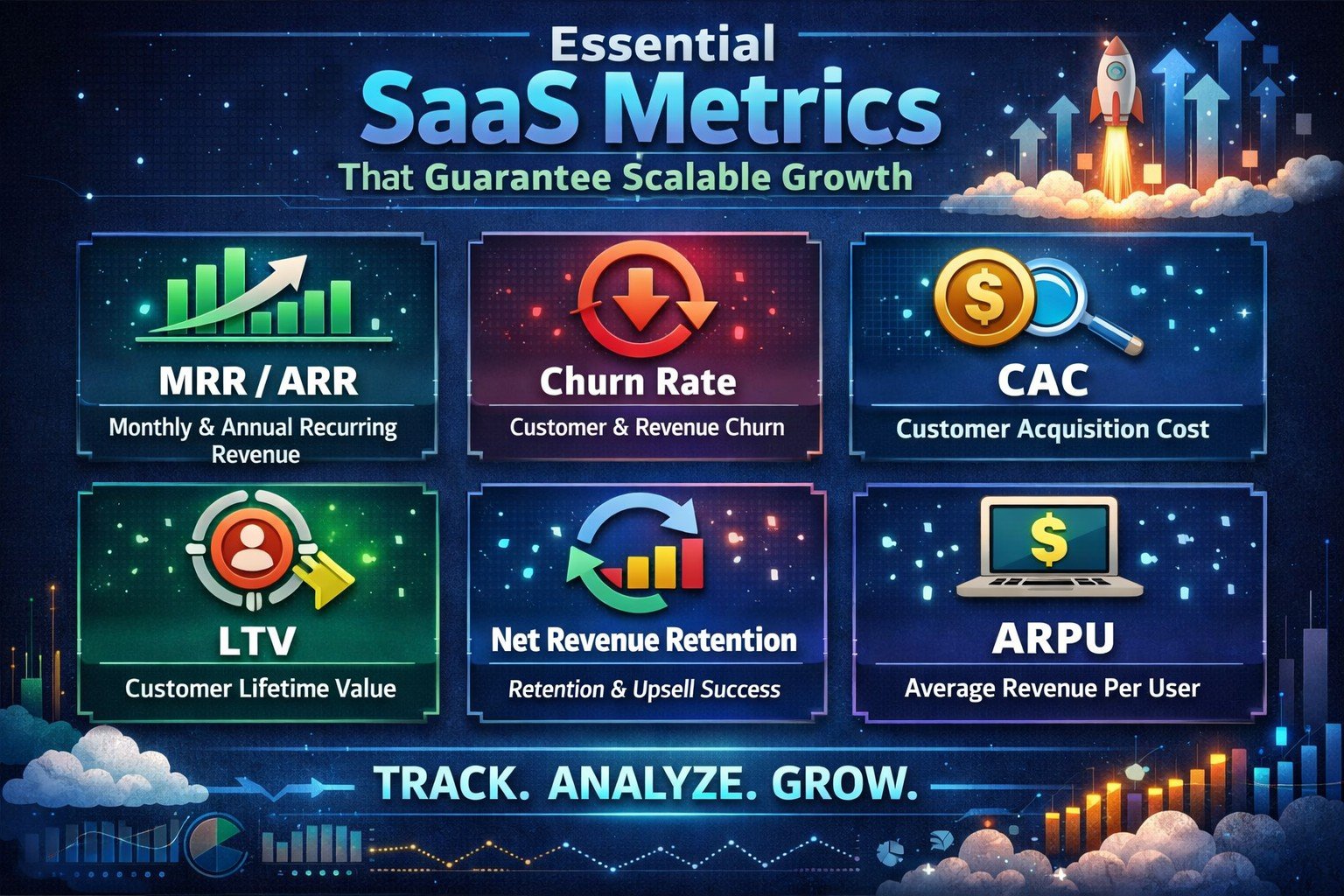
Measuring customer success is not a one-size-fits-all approach; it requires a comprehensive understanding of various metrics. Key performance indicators (KPIs) such as Net Promoter Score (NPS), Customer Satisfaction Score (CSAT), and Customer Lifetime Value (CLV) are vital. NPS gauges customer loyalty and willingness to recommend your service, while CSAT provides insight into customer satisfaction with specific interactions. CLV helps paint a picture of the long-term value each customer brings, allowing organizations to prioritize resources effectively.
Another critical metric to consider is the churn rate itself. This percentage indicates how many customers are leaving your service over a specified period. By monitoring churn closely, organizations can identify trends and anomalies that may warrant further investigation. Segmenting the churn data by factors such as customer demographics or product usage can provide even deeper insights.
Using these metrics in conjunction allows organizations to create a holistic view of customer success. For example, if a business notices a declining NPS alongside rising churn rates, it may indicate service deficiencies that require immediate rectification. These insights facilitate the prioritization of customer success initiatives, ultimately leading to a decrease in churn rates and enhanced customer loyalty.
Essential Components of a Customer Success Framework
A robust customer success framework comprises several essential components, including customer onboarding, ongoing support, and relationship management. Initial onboarding is critical as it shapes first impressions and sets the tone for the customer journey. A structured onboarding process ensures that customers are guided through the features and benefits of the product, setting them up for success from day one.
Ongoing support is another pillar of a successful framework. This includes not only reactive support, such as responding to customer inquiries and issues, but also proactive initiatives like outreach and regular check-ins. Utilizing customer success managers (CSMs) can be invaluable in this regard, as they can create personalized strategies for each customer, ensuring that their unique needs are met over time.
Finally, relationship management plays a crucial role in customer success. Building strong connections with customers fosters loyalty and trust, which can significantly reduce churn. Regularly scheduled meetings, feedback loops, and customer advocacy programs can all contribute to relationship building. When customers feel valued and understood, they are far less likely to leave your service, leading to long-term retention and satisfaction.
Building Strong Relationships with Your Customers
The foundation of a successful customer relationship is built on effective communication. Maintaining open channels for feedback and dialogue allows customers to express concerns and suggestions, creating a two-way street of information. Regular touchpoints, whether through emails, calls, or check-ins, demonstrate that you prioritize your customers’ needs and value their input.
Understanding your customers on a personal level can further strengthen these relationships. This means going beyond basic customer profiles and drilling down into individual preferences, business goals, and pain points. By tailoring interactions and solutions to fit these unique aspects, organizations can foster deeper connections, leading to enhanced customer loyalty and reduced churn.
Moreover, celebrating milestones with your customers is a powerful way to build rapport. Whether it’s acknowledging a customer’s success story or simply thanking them for their continued partnership, these gestures can go a long way. Building a community around your product and creating opportunities for customers to engage with each other can also enhance their experience and satisfaction, solidifying their allegiance to your brand.
Proactive Support Strategies to Reduce Churn
Proactive support strategies are essential in minimizing customer churn. Instead of waiting for customers to reach out with issues, organizations can anticipate potential problems and address them before they escalate. For instance, utilizing customer analytics can help identify usage patterns that indicate a decline in engagement. Initiating contact with these customers can provide them with additional resources or support tailored to their needs.
Another effective strategy is the implementation of regular health checks. These can take the form of automated reports or personalized reviews that assess how well customers are utilizing the product. By offering insights and recommendations based on their usage, organizations can help customers get more value from their subscriptions, increasing the likelihood of retention.
Additionally, creating an accessible knowledge base or resource center can empower customers to find solutions independently. By providing tutorials, FAQs, and community forums, customers can address their challenges without having to wait for support responses. This empowerment fosters a sense of ownership and satisfaction, reducing the likelihood of churn.
Leveraging Data Analytics for Customer Insights
Data analytics can be a game changer in understanding customer behavior and preferences. By leveraging tools that track customer interactions, organizations can identify patterns that indicate satisfaction or dissatisfaction. For instance, tracking feature usage can highlight which aspects of your service are most valuable to customers and which may need improvement or clarification.
Predictive analytics can also provide insights into potential churn risks. By analyzing historical data, organizations can identify which factors contribute most significantly to churn. This information enables customer success teams to implement strategic interventions targeting at-risk customers, thereby increasing retention rates.
Furthermore, employing sentiment analysis can offer an added layer of understanding. By evaluating customer feedback, reviews, and support tickets, organizations can gauge overall sentiment toward their brand. This qualitative data can provide context to the quantitative metrics, helping businesses to refine their strategies and better serve their customers.
Best Practices for Customer Onboarding and Training
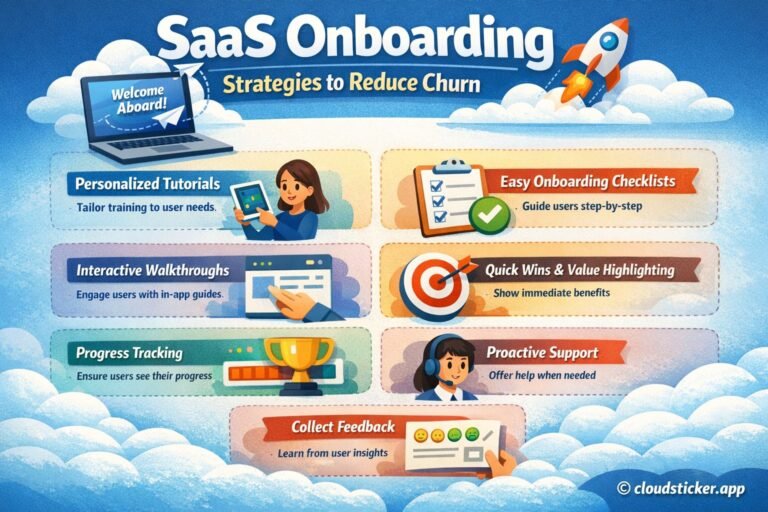
Effective onboarding is a crucial step in reducing churn. A well-structured onboarding process should include an introduction to key features, a walkthrough of functionalities, and access to support resources. By providing customers with a comprehensive understanding of how to use the product effectively, organizations can set the stage for successful long-term relationships.
Training materials are equally essential. Offering robust training sessions—whether live or recorded—ensures that customers have access to resources that can enhance their experience. Utilizing varied formats such as webinars, tutorials, and documentation can cater to different learning styles, making it easier for customers to grasp complex functionalities.
Another best practice is to personalize the onboarding experience. By customizing the training to align with the customer’s specific goals and challenges, organizations can demonstrate their commitment to customer success. This tailored approach helps customers feel valued and understood, increasing their likelihood of adoption and reducing the chances of churn.
Continuous Improvement: Adapting to Customer Feedback
To remain competitive in the SaaS landscape, organizations must commit to continuous improvement based on customer feedback. Actively soliciting feedback through surveys, interviews, and focus groups allows businesses to gather insights into customer experiences and satisfaction levels. This information is invaluable for identifying areas for improvement in both the product and customer service.
Moreover, acting on this feedback is crucial. When customers see that their suggestions lead to tangible changes, they feel more invested in the relationship. Regularly updating customers on how their feedback has influenced product development fosters a sense of partnership and loyalty, which can lead to reduced churn rates.
Additionally, creating a culture of feedback within your organization can enhance this process. Encouraging teams to share insights from customer interactions can lead to a more comprehensive understanding of customer needs. By fostering collaboration across departments, organizations can deliver a unified and enhanced customer experience that continuously improves and evolves.
In a rapidly evolving SaaS landscape, effective customer success frameworks are vital for reducing churn and fostering long-term customer relationships. By understanding churn, measuring success, and implementing proactive strategies, organizations can not only retain customers but also cultivate loyalty. As you adopt these proven frameworks, your SaaS business can thrive and maintain a competitive edge in the industry.
Meta Description: Discover proven SaaS customer success frameworks that reduce churn, build loyalty, and enhance customer relationships for long-term success.
Tags: SaaS, Customer Success, Churn Reduction, Customer Retention, Onboarding, Data Analytics, Customer Feedback, Relationship Management, Support Strategies, Continuous Improvement
Hashtags: #CustomerSuccess #SaaS #ChurnReduction #DataAnalytics #CustomerRetention