ARPU-Boosting SaaS Pricing Optimization Techniques That Work
In the fast-evolving world of SaaS (Software as a Service), maximizing revenue per user is crucial for long-term growth and sustainability. One of the most effective ways to achieve this is through strategic pricing optimization. As SaaS companies compete not only on features but also on value delivered, understanding and adjusting your pricing model can significantly impact Average Revenue Per User (ARPU). In this article, we will delve into various ARPU-boosting techniques that can help SaaS businesses thrive in a competitive landscape.
Understanding ARPU and Its Importance in SaaS Models
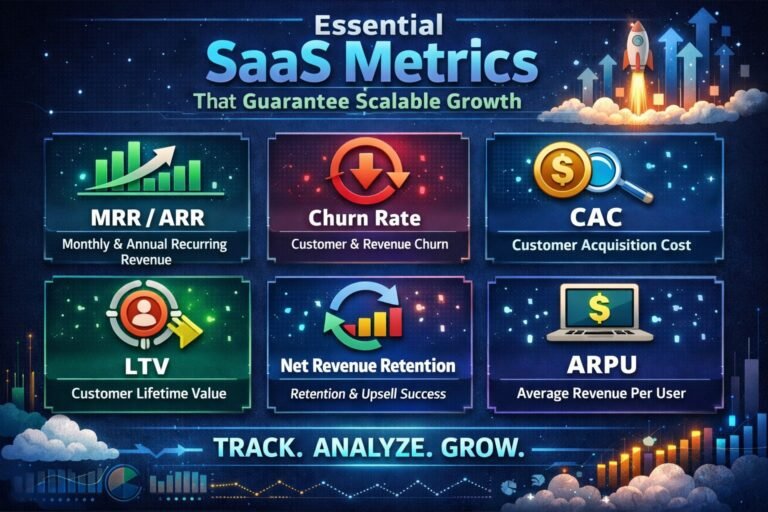
Average Revenue Per User (ARPU) serves as a key performance indicator (KPI) for SaaS organizations. It provides insights into how much revenue is generated per customer over a specific timeframe, typically monthly or annually. This metric is essential as it helps organizations gauge their financial health and effectiveness in monetizing their user base. A higher ARPU often indicates that a company is effectively upselling or cross-selling its services, thus maximizing the value derived from each customer relationship.
Understanding ARPU goes beyond mere numbers; it reflects customer satisfaction and engagement levels. If users are willing to pay more, it signals that they perceive sufficient value in the service offered. Consequently, companies that closely monitor ARPU can identify trends and areas for improvement, making it a valuable metric for strategic planning. Factors influencing ARPU may include service features, market demand, and the competitive landscape, all of which can inform pricing strategies.
In today’s SaaS environment, a focus on ARPU can lead to better resource allocation, targeted marketing efforts, and enhanced customer retention strategies. By continuously analyzing this metric, companies can better understand customer segments and tailor their offerings to meet diverse needs. This, in turn, sets the foundation for a robust pricing strategy aimed at long-term growth.
Key Factors Influencing SaaS Pricing Strategies Today
Several factors play a pivotal role in shaping modern SaaS pricing strategies. First, market competition is fierce, forcing companies to differentiate themselves through pricing models that not only attract new customers but also retain existing ones. Competitors may offer similar services at lower prices, making it essential for SaaS firms to articulate their unique value proposition while justifying their pricing. This could involve highlighting superior product features, exceptional customer support, or unique integrations that set them apart.
Second, customer expectations are evolving. Today’s consumers not only seek high-quality software but also demand flexible pricing models that cater to their specific needs. This shift has led to an increase in demand for personalized pricing options, such as tiered plans, pay-as-you-go models, and discounts for long-term commitments. Companies that recognize and adapt to these changing demands will have a competitive edge in retaining and acquiring customers.
Lastly, the emergence of economic pressures, such as inflation and market volatility, can prompt SaaS businesses to revisit their pricing strategies. In uncertain economic times, organizations may be hesitant to adopt new software solutions at premium prices. Therefore, SaaS companies must balance their pricing strategies to maintain profitability while ensuring affordability for their target audience. An agile approach to pricing can equip businesses to navigate these challenges effectively.
Proven Techniques for Effective Pricing Optimization
One of the most effective techniques for pricing optimization is conducting A/B testing. By presenting different pricing models to distinct user segments, companies can analyze which options resonate best with potential customers. This data-driven approach allows businesses to refine their pricing strategies based on real-world feedback rather than relying solely on assumptions. A/B testing can illuminate customer preferences, informing decisions that could lead to increased ARPU.
Another valuable technique is the implementation of tiered pricing. By offering multiple pricing tiers, companies can cater to various customer segments, including small businesses and enterprise clients. Each tier can provide different features and levels of service, allowing customers to select the option that best fits their needs. This strategy not only helps attract a broader customer base but also makes it easier to upsell existing customers as their needs evolve.
Additionally, leveraging customer feedback is paramount for effective pricing optimization. Regularly soliciting customer opinions on pricing can provide invaluable insights into perceived value and areas for improvement. Surveys, interviews, and focus groups can help identify customer pain points, enabling organizations to adjust their pricing accordingly. By fostering an open dialogue about pricing, companies can build trust and loyalty while optimizing ARPU.
Leveraging Tiered Pricing to Increase Customer Value
Tiered pricing is a powerful strategy that can help SaaS companies enhance customer value and increase ARPU. By structuring pricing plans into different tiers, businesses can offer more choices to potential customers. This allows users to select the plan that best suits their needs, thereby increasing satisfaction and reducing churn. For example, a basic plan may cater to startups, while a premium tier could appeal to larger enterprises seeking advanced features and dedicated support.
Moreover, tiered pricing encourages upselling opportunities. As customers grow and their needs evolve, they may find themselves requiring additional features or capabilities that are available in higher-tier plans. This creates a natural pathway for SaaS companies to increase their ARPU without alienating lower-tier customers. By clearly communicating the benefits of each tier, businesses can motivate users to upgrade and experience the additional value offered.
In addition, tiered pricing can facilitate market segmentation. By identifying the unique needs of different customer groups, organizations can tailor their offerings to meet specific demands. This not only enhances customer satisfaction but also positions the company as a leader in addressing particular market niches. In a crowded marketplace, the ability to cater to diverse needs can significantly elevate a company’s competitive stance.
The Role of Value-Based Pricing in SaaS Growth
Value-based pricing is another potent approach that can drive SaaS growth while maximizing ARPU. This strategy focuses on setting prices based on the perceived value delivered to customers rather than solely on production costs or competitor pricing. By understanding what customers are willing to pay for specific features or services, companies can align their pricing more closely with value, leading to higher satisfaction and increased revenue.
Implementing value-based pricing requires thorough market research and customer insights. Companies must engage with their user base to understand which aspects of their service are deemed most valuable. This could include unique features, integrations, or customer support levels. By accurately assessing what customers value, companies can position their pricing to reflect this worth, thus driving revenue growth.
Moreover, value-based pricing allows for more dynamic pricing adjustments in response to market changes. As customer needs evolve and new competitors enter the market, companies can adapt their pricing strategies to maintain relevance. This flexibility not only enhances customer loyalty but also contributes to sustained profitability, making value-based pricing a cornerstone of effective SaaS growth strategies.
Implementing Usage-Based Pricing for Recurring Revenue
Usage-based pricing is an innovative approach becoming increasingly popular in the SaaS landscape. This model allows customers to pay based on their consumption of the service, providing a fair pricing structure that aligns costs with actual usage. For businesses, this can lead to higher ARPU as customers may be willing to pay more for the features they actually use, making it a mutually beneficial arrangement.
One of the key advantages of usage-based pricing is that it removes the barriers to entry for new customers. By offering a pay-as-you-go structure, organizations can attract a wider audience, including smaller companies hesitant to commit to higher-priced subscription plans. This flexibility not only enhances customer acquisition but also fosters a sense of trust and satisfaction among users, who appreciate paying only for what they need.
Moreover, usage-based pricing can drive customer engagement and retention. When customers are directly linked to their service consumption, they may be more inclined to explore additional features and tools offered by the SaaS provider. This engagement can lead to an increase in overall revenue as users recognize the value of upgrading to more comprehensive packages based on their usage patterns, thereby boosting the ARPU effectively.
Analyzing Competitor Pricing to Stay Competitive
To maintain a competitive edge, SaaS companies must engage in thorough competitor pricing analysis. This involves examining how competitors structure their pricing models, what features they offer at various price points, and how those models align with market demand. Understanding these elements can provide invaluable insights, allowing organizations to position themselves strategically in a crowded marketplace.
Through competitor analysis, companies can identify gaps in their pricing strategies. If competitor products offer similar features at lower prices, it may indicate a need for reevaluation of value propositions or pricing structures. Conversely, if a company’s offerings exceed those of competitors, there may be opportunities to increase prices or enhance tiered offerings. This knowledge can inform pricing decisions that not only drive higher ARPU but also improve market positioning.
Additionally, monitoring competitor pricing trends can help businesses anticipate market shifts and adapt accordingly. By staying abreast of changes in competitor offerings, SaaS companies can preemptively adjust their pricing strategies to remain competitive. This proactive approach not only protects existing customer relationships but also positions the company as a leader in innovation and customer value.
Monitoring Metrics to Refine Pricing Strategies Over Time
Continuous monitoring of key metrics is imperative for effective pricing optimization in SaaS. Regular analysis of ARPU, customer acquisition costs, and churn rates can provide deeper insights into the effectiveness of pricing strategies. By assessing these metrics over time, companies can identify trends, successes, and areas for improvement, allowing for informed adjustments to pricing models.
Moreover, utilizing customer feedback and satisfaction surveys can enhance the monitoring process. Understanding customer sentiments about pricing can reveal how perceived value aligns with actual experiences. Companies can then refine their pricing strategies based on this feedback, ensuring they remain attuned to customer needs and market dynamics.
In addition, implementing robust analytics tools can streamline the tracking of pricing-related metrics. Companies can leverage data visualization dashboards to visualize their pricing performance over time, making it easier to spot anomalies and react quickly. Ultimately, a commitment to continuous improvement and data-driven decision-making will not only enhance ARPU but also contribute to the long-term success of the business.
In the competitive landscape of SaaS, an effective pricing strategy is vital for maximizing ARPU and fostering sustainable growth. By understanding key metrics, leveraging tiered and usage-based pricing models, and continuously analyzing competitor pricing, SaaS companies can refine their strategies to drive revenue. As the market evolves, a proactive approach to pricing optimization will ensure that organizations remain relevant and can meet the ever-changing needs of their customers.
Meta Description: Discover effective SaaS pricing optimization techniques to boost ARPU and enhance customer value in a competitive landscape.
Tags: SaaS, ARPU, pricing optimization, revenue growth, tiered pricing, value-based pricing, usage-based pricing, competitor analysis, metrics monitoring, customer value
Hashtags: #SaaS #PricingStrategy #RevenueGrowth #ARPU #BusinessOptimization
External Source: For more insights on pricing strategies, visit ProfitWell.