
Engagement-Optimized SaaS Product Strategies That Retain
In the SaaS landscape, user engagement isn’t just a metric; it’s the lifeblood of sustainable success. As businesses increasingly turn to software solutions, understanding how to optimize user engagement is paramount for retention and long-term growth. This article delves into SaaS Product Strategies that enhance engagement, foster user loyalty, and ultimately drive better business outcomes. From onboarding techniques to leveraging data analytics, we explore how organizations can create compelling experiences that captivate users.
Understanding the Importance of User Engagement in SaaS
User engagement plays a critical role in the success of SaaS products, serving as a key indicator of customer satisfaction and product effectiveness. High engagement typically correlates with lower churn rates and greater lifetime customer value, making it an essential focus for SaaS organizations. When users actively engage with a product, they are more likely to realize its value, leading to increased renewals and referrals. Thus, companies that prioritize user engagement are more likely to thrive in a competitive marketplace.
Moreover, user engagement contributes to ongoing product development. When users are actively involved in utilizing a product, their feedback helps inform future enhancements and features. This ongoing communication creates a feedback loop that can drive innovation, ensuring that the product evolves to meet changing market demands. Consequently, organizations that cultivate user engagement not only bolster customer retention but also enhance their market positioning through continuous improvement.
Finally, understanding user behavior through engagement metrics allows SaaS companies to tailor their marketing strategies effectively. By analyzing how users interact with the product, businesses can identify trends and adapt their outreach efforts. This data-driven approach enables targeted marketing campaigns that resonate with specific segments of their user base, further optimizing retention and satisfaction.
Key Metrics to Measure Engagement in SaaS Products
To effectively gauge user engagement, organizations must focus on specific metrics that provide insight into customer interactions with their SaaS products. One of the most critical metrics is Daily Active Users (DAU) versus Monthly Active Users (MAU). These metrics help companies understand how frequently users interact with their software, indicating the product’s stickiness and overall value to the user. A high DAU/MAU ratio suggests that users find the product indispensable, while a low ratio signals potential issues that need to be addressed.
Another essential metric is the Net Promoter Score (NPS), which measures customer loyalty and satisfaction. By asking users how likely they are to recommend the product to others, organizations can gain valuable insights into their customers’ experiences. A high NPS indicates that users not only engage with the product but are also willing to advocate for it, serving as a natural marketing tool that can enhance brand credibility.
Churn rate is also a vital metric reflecting user engagement. It measures the percentage of users who stop using the service over a specific timeframe. A high churn rate often indicates issues with user satisfaction or product usability. By closely monitoring churn, organizations can implement timely interventions to improve the user experience, thereby enhancing long-term retention.
Implementing Feedback Loops for Continuous Improvement
Feedback loops are essential for fostering a culture of continuous improvement within SaaS organizations. By actively soliciting user feedback through surveys, interviews, and direct communication, companies can gain valuable insights into how their products are perceived and utilized. This information can then be translated into actionable strategies that enhance user experience and satisfaction.
It’s crucial for organizations to make it easy for users to provide feedback. Implementing in-app feedback tools or creating dedicated channels for suggestions can significantly increase response rates. When users feel that their opinions genuinely matter, they are more likely to engage with the product and remain loyal. Moreover, showcasing how user feedback has led to product improvements can reinforce the relationship between the company and its customers, enhancing their overall engagement.
Regularly reviewing and acting upon the feedback collected also promotes a sense of accountability within the organization. Employees across all levels should be made aware of user sentiments, and actionable insights should be prioritized in product roadmaps. This continuous cycle of gathering, analyzing, and implementing feedback ensures that the product remains relevant and user-centric, ultimately leading to higher retention rates.
Personalization Strategies That Enhance User Experience
Personalization is a powerful strategy for enhancing user engagement and improving the overall experience within SaaS products. By leveraging user data, organizations can create tailored experiences that resonate with individual user preferences and behaviors. This can be as simple as customized dashboards, targeted content, or personalized messaging that speaks directly to a user’s specific needs or pain points.
Segmentation is a key component of effective personalization. By categorizing users based on their behavior, demographics, or other relevant criteria, organizations can deliver tailored content and features that drive deeper engagement. For instance, a project management tool may offer different onboarding experiences for team leaders versus individual contributors, addressing their unique challenges and goals. This targeted approach ensures that users find immediate value in the product, promoting long-term retention.
In addition, leveraging machine learning algorithms can further enhance personalization strategies. By analyzing user interactions and predicting future behavior, organizations can proactively suggest features or services that users may find beneficial. This not only enhances the user experience but also maximizes the likelihood of users fully utilizing the product, thereby increasing their engagement levels and reducing churn.
Community Building: Fostering User Interaction and Loyalty
Building a community around a SaaS product can significantly enhance user engagement and foster loyalty. By creating forums, discussion boards, or social media groups, companies can facilitate interactions between users, allowing them to share experiences, tips, and solutions. This sense of community encourages users to engage more frequently with the product, as they feel part of a larger network of like-minded individuals.
Encouraging user-generated content, such as tutorials or case studies, can further enhance community engagement. When users contribute their knowledge and experiences, it adds depth to the community and provides valuable insights for other users. This not only enhances the perceived value of the product but also creates a supportive environment that fosters loyalty.
Incorporating gamification elements, such as rewards or recognition for community contributions, can also drive engagement. Users who feel valued and appreciated for their input are more likely to remain active participants within the community, leading to increased product usage and long-term retention. By fostering a vibrant community, SaaS companies can create a supportive ecosystem that enhances the user experience and drives loyalty.
Onboarding Techniques That Drive Long-Term Retention
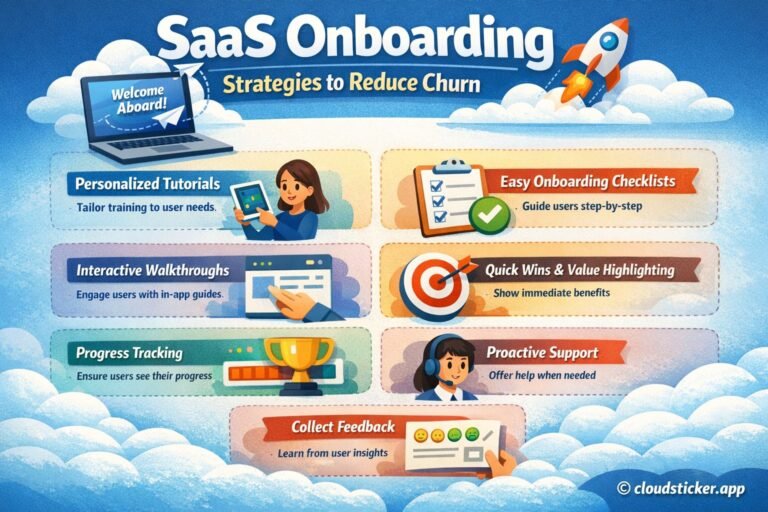
Effective onboarding is a critical component of user engagement that can significantly impact long-term retention. A streamlined and informative onboarding process helps users quickly understand the product’s features, enabling them to realize its value from the outset. By employing interactive tutorials, guided tours, and personalized onboarding experiences, organizations can ensure that users are not only informed but also excited about using the product.
Moreover, continuous onboarding efforts beyond the initial setup are essential for long-term retention. Providing ongoing training sessions, webinars, or refresher courses can help users stay engaged with the product and explore features they may not have initially utilized. This ongoing education reinforces the importance of the product and encourages users to remain invested in their experience.
Finally, monitoring user engagement during the onboarding phase is crucial. By analyzing metrics such as feature adoption rates and user feedback during onboarding, organizations can identify areas for improvement. This data-driven approach allows companies to refine their onboarding process continually, ensuring that it remains effective in driving long-term retention.
Leveraging Data Analytics for Engaging User Experiences
Data analytics plays a vital role in creating engaging user experiences within SaaS products. By systematically collecting and analyzing user data, organizations can gain insights into how customers interact with their software. This information allows companies to identify patterns, preferences, and areas for improvement, ultimately informing product development and marketing strategies.
Leveraging data analytics can also enhance user segmentation efforts. By understanding distinct user groups and their behaviors, organizations can tailor their services and communications to meet specific needs. For instance, analytics can reveal which features are most popular among certain demographics, enabling companies to emphasize those features in targeted marketing campaigns. This personalized approach not only enhances user engagement but also optimizes retention rates.
Additionally, employing predictive analytics can significantly bolster user engagement strategies. By forecasting user behaviors and identifying potential churn risks, organizations can proactively implement strategies to retain at-risk users. Whether through personalized outreach, tailored content, or targeted incentives, predictive analytics provides the tools needed to ensure users remain engaged and satisfied with their SaaS products.
Future Trends in Engagement-Optimized SaaS Strategies
As the SaaS landscape continues to evolve, several trends are emerging that will shape engagement-optimized strategies. One significant trend is the increased focus on artificial intelligence and machine learning. These technologies allow for greater personalization, enabling organizations to analyze vast amounts of user data and provide tailored experiences at scale. Companies that leverage AI to enhance user interactions will likely lead in customer satisfaction and retention.
Another trend is the shift towards remote and hybrid work environments, which necessitates adaptable SaaS solutions. As organizations navigate these changes, SaaS products must be versatile and user-friendly, enabling seamless collaboration across various teams and locations. Companies that can effectively address these needs through engagement strategies will be better positioned for success in the future.
Lastly, the rise of user-centric design will continue to influence SaaS product development. By prioritizing user experience in every aspect of product design, organizations can create intuitive interfaces and workflows that promote engagement. As user expectations evolve, companies must remain agile, continuously refining their strategies to meet the demands of their clients.
Conclusion – SaaS Product Strategies That Retain
Engagement-optimized strategies are essential for SaaS organizations aiming to retain users and drive long-term success. By understanding the importance of user engagement, measuring the right metrics, implementing feedback loops, and leveraging data analytics, companies can create compelling user experiences that foster loyalty. As the industry continues to evolve, those who adopt innovative strategies and embrace personalization will stand out in a competitive market, ensuring that their products not only attract users but also keep them coming back for more.
Hashtags: #SaaS #UserEngagement #RetentionStrategies #DataAnalytics #CommunityBuilding