Campaign-Optimized SaaS Conversion Systems That Work
In today’s competitive landscape, Software as a Service (SaaS) companies face the ongoing challenge of converting leads into paying customers. While acquiring prospects is essential, optimizing the conversion process is crucial for sustaining growth and ensuring long-term success. This article delves into campaign-optimized SaaS conversion systems that work, providing insights into how organizations can enhance their strategies and ultimately drive more substantial results.
Understanding the Need for SaaS Conversion Optimization
In the world of SaaS, attracting potential customers is only half the battle. Many companies invest heavily in marketing and lead generation, yet fail to convert those leads into actual users. This is where conversion optimization plays a significant role. By streamlining the process of converting leads into paying customers, organizations can increase their customer base without proportionately increasing their marketing expenditure. Essentially, an effective conversion system can significantly improve return on investment (ROI).
Moreover, as the SaaS market becomes increasingly saturated, standing out from competitors becomes imperative. A well-optimized conversion process can serve as a competitive advantage, enabling companies to capitalize on their existing traffic. Addressing the nuances of customer behavior and preferences can lead to tailored experiences that foster engagement and trust. By understanding the specific needs of their target audience, SaaS providers can craft solutions that resonate, thus facilitating a smoother transition from prospect to loyal customer.
Finally, optimizing conversions not only boosts revenue but also enhances customer satisfaction and retention rates. A seamless onboarding process, effective communication, and ongoing support create a favorable impression that encourages users to stick around. This long-term relationship is vital for businesses aiming to achieve sustainable growth in a dynamic market. Therefore, investing time and resources into optimizing conversion systems is essential for any SaaS organization looking to thrive.
Key Features of Effective Conversion Systems in SaaS
Effective SaaS conversion systems share several key features that enable them to maximize efficiency and drive results. First and foremost, they should incorporate user-friendly interfaces that make navigation intuitive. A well-designed landing page, for example, can capture a visitor’s attention and guide them seamlessly through the conversion funnel. Key elements like clear calls to action (CTAs), concise messaging, and impactful visuals contribute to a conversion-friendly experience.
Another crucial aspect is the integration of personalized experiences. By leveraging data analytics and user behavior tracking, SaaS companies can deliver tailored content that speaks directly to the pain points and needs of their prospects. For instance, using targeted email campaigns that address specific customer segments can enhance engagement and drive conversions. The more relevant the message, the more likely potential customers are to respond favorably.
Lastly, an effective conversion system should be built on a strong foundation of trust and credibility. This can be achieved by showcasing testimonials, case studies, and industry awards prominently on the website. Providing social proof reassures potential customers that they are making the right choice by choosing your service. Additionally, robust customer support and clear communication help establish a trustworthy relationship, further supporting the conversion process.
How to Craft a Campaign-Optimized Conversion Strategy
A well-defined campaign-optimized conversion strategy is essential for any SaaS company looking to enhance its effectiveness. The first step is to clearly identify target personas. Understanding the demographics, behaviors, and pain points of your ideal customers enables you to craft messages that resonate with them. This targeted approach ensures that your marketing efforts address specific needs, increasing the likelihood of conversion.
Next, companies should develop a multi-channel marketing approach. Utilizing various platforms—such as email, social media, and pay-per-click advertising—can ensure broader reach and engagement. Each channel should have tailored messaging that aligns with the specific needs and preferences of the target personas. This coordination across channels supports a unified brand message while maximizing visibility and impact.
Finally, continuous testing and optimization are vital components of a successful conversion strategy. A/B testing different elements—such as landing pages, email subject lines, and CTAs—can provide valuable insights on what works best for your audience. By analyzing conversion rates and user behavior, SaaS companies can make informed adjustments to their campaigns, ensuring ongoing improvement and effectiveness.
Integrating Analytics for Data-Driven Decisions
To optimize conversion systems effectively, SaaS companies must prioritize data-driven decision-making through integrated analytics. Establishing key performance indicators (KPIs) allows businesses to assess the effectiveness of their conversion strategies. Metrics such as conversion rates, bounce rates, and customer acquisition costs provide insights into how well the system is functioning and where improvements can be made.
Incorporating tools like Google Analytics or dedicated SaaS analytics platforms can provide deeper insights into user behavior and engagement. These tools can track everything from user demographics to the specific pages that lead to conversions. By analyzing this data, companies can identify patterns and trends that can inform their marketing strategies, making them more targeted and effective.
Furthermore, integrating analytics with customer relationship management (CRM) systems can facilitate a more comprehensive view of the customer journey. Tracking interactions and touchpoints across various stages of the sales funnel helps businesses tailor their communication and offers. This data-driven approach enables more personalized experiences, increasing the likelihood of conversion and fostering long-term relationships with customers.
Best Practices for Enhancing User Experience in SaaS
User experience (UX) plays a pivotal role in the conversion process for SaaS companies. To enhance UX, organizations should prioritize website and application design that is intuitive and easy to navigate. A clean layout, clear CTAs, and effective use of whitespace can significantly improve the user experience. Additionally, optimizing the loading speed of web pages is critical; slow-loading sites can frustrate users and lead to high bounce rates.
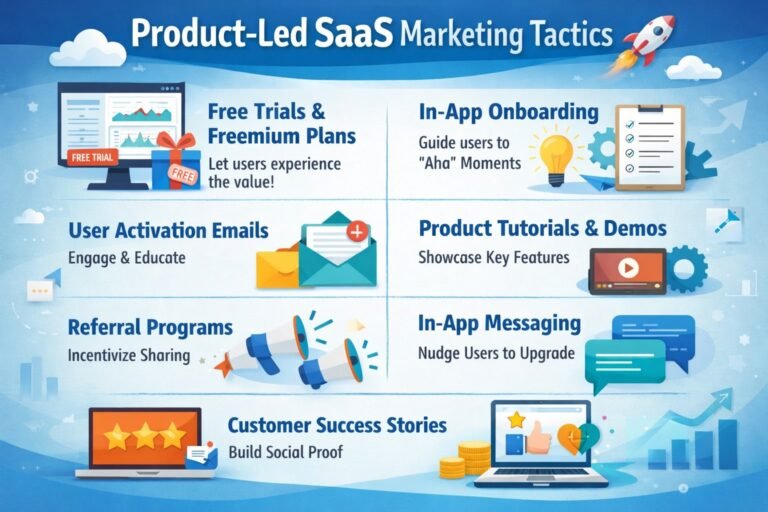
Another best practice is to focus on providing value upfront. Offering free trials, demos, or freemium versions of the software allows potential customers to experience the product before making a financial commitment. This not only builds trust but also gives users a taste of the value the software can deliver. High-quality onboarding experiences are vital in ensuring users understand how to use the software effectively, ultimately driving engagement and satisfaction.
Lastly, ongoing customer feedback is crucial for improving user experience continually. Utilizing surveys, feedback forms, and usability testing can provide insights into what features users appreciate and what areas need improvement. By actively listening to customer input and making informed adjustments, SaaS companies can create a user experience that enhances satisfaction and promotes higher conversion rates.
Leveraging Automation Tools for Maximum Efficiency
Automation tools can significantly enhance the efficiency of SaaS conversion systems. By automating repetitive tasks—such as marketing emails, lead scoring, and customer segmentation—companies can free up valuable resources and focus on more strategic initiatives. Technologies like marketing automation platforms allow teams to create targeted campaigns that run seamlessly, ensuring timely communication with prospects.
Additionally, chatbots and AI-driven customer support tools can enhance user engagement by providing immediate assistance. By leveraging these technologies, SaaS companies can cater to user inquiries 24/7, providing a higher level of service and support. This responsiveness not only improves customer satisfaction but can also drive conversions by addressing questions or concerns at critical stages in the buying process.
Finally, integrating automation with analytics tools can provide real-time data insights, enabling faster decision-making and adjustments. By monitoring campaign performance and user behavior, organizations can quickly pivot their strategies based on data-driven insights. This agility allows SaaS companies to stay ahead in a rapidly changing environment while continuously optimizing their conversion systems.
Measuring Success: KPIs for SaaS Conversion Campaigns
To gauge the effectiveness of conversion campaigns, SaaS companies must establish and monitor relevant key performance indicators (KPIs). Conversion rate is one of the most critical metrics, reflecting the percentage of visitors who take a desired action, such as signing up for a trial or making a purchase. Tracking this metric over time helps businesses identify trends and measure the impact of optimization efforts.
Another essential KPI is the customer acquisition cost (CAC). This metric calculates the total cost associated with acquiring a new customer, including marketing expenses and sales resources. By analyzing CAC in relation to the lifetime value (LTV) of a customer, organizations can determine the efficiency of their conversion strategies and make informed decisions about resource allocation.
Furthermore, tracking user engagement metrics—such as session duration, pages per session, and churn rate—provides insights into customer satisfaction and retention. High engagement levels typically correlate with increased conversion chances, while low engagement could indicate potential areas for improvement. Regularly reviewing these KPIs allows SaaS companies to refine their conversion strategies based on real-world performance and customer behavior.
Future Trends in SaaS Conversion Optimization Systems
The landscape of SaaS conversion optimization is continually evolving, influenced by technological advancements and changing customer expectations. One notable trend is the increased focus on personalization. As user data collection becomes more sophisticated, SaaS companies are leveraging machine learning and AI to deliver tailored experiences that resonate with individual users. This trend will likely lead to higher engagement and conversion rates, as customers feel more connected to the brands they interact with.
Another growing trend is the expansion of omnichannel marketing strategies. Customers are engaging with brands through various touchpoints, and SaaS companies must adapt by providing a cohesive experience across all channels. As integration between different marketing platforms improves, the ability to track and engage customers seamlessly will become a significant advantage. This approach not only enhances brand perception but also fosters deeper customer relationships.
Lastly, the emphasis on data privacy and compliance will continue to shape SaaS conversion strategies. As regulations like GDPR and CCPA become more prevalent, companies must prioritize transparent data practices and user consent. Ensuring compliance while effectively utilizing customer data for conversion optimization will be a balancing act that SaaS organizations must navigate. By embracing these trends, businesses can position themselves for success in an ever-evolving market.
Implementing campaign-optimized SaaS conversion systems is essential for companies looking to thrive in a competitive environment. By understanding the importance of conversion optimization, leveraging analytics, and prioritizing user experience, organizations can drive more effective marketing strategies. As the landscape continues to evolve, staying ahead of trends will further empower SaaS companies to achieve sustainable growth and lasting success.
Meta Description: Discover effective strategies for campaign-optimized SaaS conversion systems to enhance user experience and drive sustainable growth.
Tags: SaaS, Conversion Optimization, Analytics, User Experience, Automation, KPIs, Marketing Strategies, Personalization, Omnichannel Marketing, Customer Engagement
Hashtags: #SaaS #ConversionOptimization #UserExperience #Marketing #Automation