Essential SaaS Security Checklist for Safeguarding Customer Data
In an increasingly digital world, Software as a Service (SaaS) providers play a crucial role in managing customer data. Protecting this sensitive information is not just a regulatory requirement; it is essential for maintaining customer trust and ensuring business longevity. As companies migrate to SaaS solutions, they must adopt a robust security framework. An Essential SaaS Security Checklist is vital for safeguarding customer data and ensuring compliance with industry standards.
Key Components of a Comprehensive SaaS Security Checklist
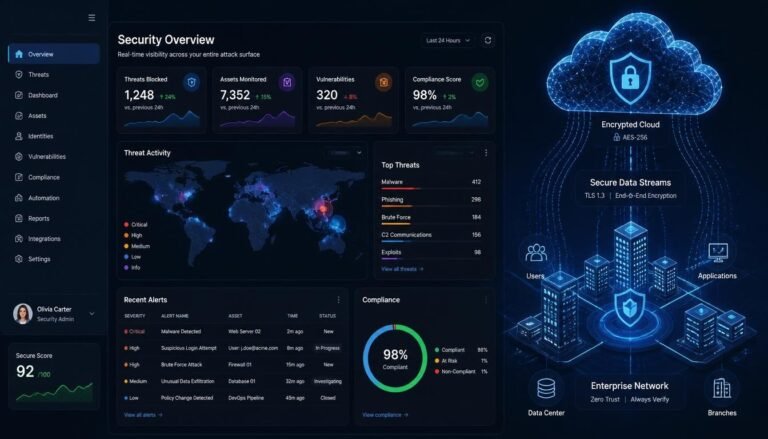
A SaaS security checklist should begin with a detailed evaluation of the data encryption protocols in place. Strong encryption methods protect data at rest and in transit. Look for encryption standards such as AES-256, which is widely regarded as a benchmark for security. Implementing Transport Layer Security (TLS) is also crucial for encrypting data during transmission. Regularly update encryption keys to minimize potential breaches.
Next, organizations must assess user authentication protocols. Multi-factor authentication (MFA) should be a non-negotiable component of any security framework. By requiring multiple forms of verification, businesses significantly reduce the risk of unauthorized access. Review user roles and permissions regularly. Restrict access to sensitive data based on necessity to limit exposure.
Finally, consider the aspect of data backup and recovery plans. Regular backups should be automated and securely stored in multiple locations. Review these backups frequently to ensure that they are functioning properly. An efficient recovery plan eliminates downtime and preserves data integrity in the event of a breach or hardware failure.
Best Practices for Protecting Customer Data in SaaS
Adopting best practices in SaaS is imperative for ensuring customer data protection. Begin with a risk assessment to identify potential vulnerabilities. This assessment should include an analysis of third-party integrations as they can introduce security flaws. Evaluate the security measures of all vendors and ensure they align with your organization’s standards.
Another best practice is to enforce security training for employees. Regular training sessions will equip staff with necessary skills to recognize phishing attempts and other threats. Simulated attacks can serve as useful learning tools. Encourage employees to adopt a security-first mindset, fostering a culture of vigilance throughout the organization.
Lastly, maintain a compliance framework that adheres to industry regulations such as GDPR, HIPAA, or PCI DSS. Regular audits and assessments can help ensure that your practices align with these regulations. Failing to comply not only risks customer data but can also result in hefty fines and reputational damage.
Implementing a Security Maturity Framework
Establishing a security maturity framework can streamline the implementation of best practices. This framework can be divided into three main phases: Evaluation, Implementation, and Monitoring. Each phase should include specific security goals and key performance indicators to measure success.
Evaluation Phase
During this phase, organizations assess current security measures. This can involve penetration testing and vulnerability assessments. Identify gaps in existing protocols and prioritize them based on risk. Use this phase to gather metrics that will aid in the next steps.
Implementation Phase
In this phase, organizations will execute the changes identified during the evaluation. This could involve updating encryption protocols, rolling out MFA, and establishing data backup solutions. Ensure that all staff are informed about the changes and receive appropriate training.
Monitoring Phase
The final phase involves tracking the effectiveness of the implemented measures. Continuous monitoring helps identify new vulnerabilities and assess the effectiveness of existing protocols. Regular reporting can provide insights into areas that still require attention and improvement.
Executive FAQ
What is the impact of SaaS security on TCO?
TCO, or Total Cost of Ownership, is significantly affected by security. Poor security can lead to breaches, which incur costs related to remediation, regulatory fines, and reputational damage. Investing in robust security measures can minimize long-term costs by preventing such incidents.
How does security governance fit into SaaS?
Security governance encompasses the policies, processes, and controls that manage risks associated with SaaS. It ensures that compliance measures are in place, aligning security objectives with business goals. This alignment is crucial to maintaining customer trust and ensuring regulatory compliance.
How do legacy systems affect SaaS security?
Integrating legacy systems with modern SaaS solutions can introduce vulnerabilities. These older systems may lack the necessary security features found in newer technologies. A thorough assessment of legacy systems is crucial to identifying potential risks before integration occurs.
What role does employee training play in SaaS security?
Employee training is vital in mitigating human error, a significant factor in many security breaches. Regular training ensures that employees are aware of potential threats and know how to respond appropriately. A well-informed workforce can act as the first line of defense against cyber threats.
How can SaaS vendors ensure compliance with regulations?
SaaS vendors must implement regular audits and assessments to ensure compliance with industry regulations. Compliance frameworks should evolve alongside regulatory changes. Additionally, maintaining transparent communication with customers about compliance measures can enhance trust.
What are the key metrics for measuring SaaS security?
Key metrics include the number of security incidents, time to detect breaches, recovery time, and user access audits. These metrics can provide insights into the effectiveness of existing security measures. Regularly reviewing these data points helps organizations adapt their strategies.
Why is a multi-layered security approach necessary?
A multi-layered security approach addresses various types of threats and vulnerabilities. Relying on a single security measure often leaves gaps that attackers can exploit. By employing multiple layers of defense, organizations can create a more robust security posture.
How often should security practices be reviewed?
Security practices should be reviewed at least quarterly. However, following major incidents or changes in technology, more immediate reviews may be needed. Regular assessments ensure that security measures remain effective and aligned with evolving threats.
Conclusion
Implementing a comprehensive SaaS security checklist is essential for safeguarding customer data. The checklist should prioritize data encryption, user authentication, and robust backup plans. Best practices, including risk assessments and employee training, further strengthen security protocols.
Establishing a security maturity framework can guide organizations through iterative improvements. This framework allows for continuous assessment and adjustment in a fast-evolving threat landscape. By embracing these practices, organizations not only protect customer data but also enhance their overall business resilience.
Conclusion – Essential SaaS Security Checklist
In a world where data breaches can lead to irreparable damage, prioritizing SaaS security is non-negotiable. By following a structured checklist and best practices, companies can build a solid foundation of trust and security. Proactive measures are not just about compliance; they are essential for sustainable business growth.