
Optimization-Focused SaaS Conversion Systems That Work
Optimization is crucial for any Software as a Service (SaaS) business aiming to enhance customer conversions and ultimately drive profitability. In today’s competitive landscape, merely having a great product isn’t enough; your SaaS solution must also be paired with optimized processes that convert visitors into loyal customers. This article explores various strategies and methodologies that organizations can implement to fine-tune their SaaS conversion systems, ensuring they are not only efficient but also effective in meeting the needs of their audience.
Understanding Optimization in SaaS Conversion Systems
In the realm of SaaS, optimization refers to the systematic approach of enhancing processes and systems to improve customer conversion rates. This includes refining everything from the user interface to the marketing strategies employed to attract potential customers. For larger organizations, understanding this optimization is paramount; it requires a deep dive into customer behavior, market trends, and the competitive landscape. Recognizing what makes a customer tick can lead to tailor-made solutions that resonate more effectively with the target audience.
Optimization also involves continuous testing and iteration. Companies must treat their conversion systems as living entities, constantly evolving to meet changing customer expectations. This means establishing metrics to gauge performance and identify areas for improvement. In a corporate environment where decisions are data-driven, having a robust optimization strategy allows organizations to respond proactively to shifts in market dynamics, ensuring they remain ahead of the competition.
Moreover, it’s essential to recognize that optimization isn’t a one-time effort. It requires commitment and resources, making it crucial for larger organizations to have dedicated teams focused on conversion optimization. By creating a culture that embraces change and innovation, businesses can develop a sustainable path to enhanced customer acquisition and retention.
Key Elements of a Successful Conversion Strategy
A successful conversion strategy starts with a deep understanding of the target audience. Comprehensive market research and user persona development are pivotal in identifying the pain points and desires of prospective customers. For larger organizations, this might involve segmenting audiences not only by demographics but also by behavior and usage patterns. By knowing precisely who the ideal customer is, companies can tailor their messaging and offerings to address specific needs more effectively.
Another key element is a streamlined onboarding process. Many potential customers abandon their interest during the initial stages of engagement due to confusing or cumbersome onboarding experiences. A well-designed onboarding process that includes tutorials, FAQs, and customer support can significantly enhance user experience. Companies can utilize automation tools to guide new users through the process, ensuring they understand the value of the product quickly and easily.
Lastly, persuasive calls to action (CTAs) are essential for successful conversion strategies. Effective CTAs should be clear, compelling, and strategically placed throughout the customer journey. Large organizations often experiment with various wording, colors, and placements to identify what resonates best with their audience. A well-optimized CTA can be the difference between a visitor leaving the site and converting into a paying customer.
Strategies to Enhance User Experience and Retention
User experience directly influences conversion rates in the SaaS landscape. Organizations should prioritize simplifying interfaces and ensuring easy navigation. This can be achieved through user testing, where real customers provide feedback on their interactions with the platform. Insights gained from these tests can inform design changes that make the platform more intuitive and user-friendly.
Personalization is another effective strategy to enhance user experience. By leveraging data analytics, companies can offer personalized recommendations and content that resonate with each user’s unique needs. This not only improves user satisfaction but also fosters loyalty. For larger organizations, investing in sophisticated data analytics tools can provide the insights necessary to segment users effectively and deliver targeted experiences that keep customers engaged.
Finally, continuous communication is vital for retention. Regular follow-ups through email campaigns or in-app notifications can keep users informed about new features and enhancements. Engaging customers with informative content that provides value can foster a sense of community and belonging. Implementing feedback loops where customers can share their thoughts and experiences can also enhance retention, as it shows that the company values their input and is committed to improvement.
Data-Driven Approaches to SaaS Optimization
In the digital age, data is the backbone of optimization efforts. For large organizations, collecting and analyzing data effectively can unveil valuable insights into customer behavior. Utilizing analytics tools provides a comprehensive view of user interactions, allowing companies to identify trends and patterns that can inform strategic decisions.
Beyond merely collecting data, organizations must develop the capability to interpret and act upon it. This often involves collaboration between marketing, sales, and product teams to ensure alignment on goals and objectives. For example, if data reveals that users are frequently dropping off at a particular step in the signup process, it’s crucial for product teams to investigate and resolve potential friction points. Adopting a cross-functional approach ensures that optimization efforts are cohesive and effective.
Furthermore, predictive analytics can play a significant role in SaaS optimization. By utilizing historical data to forecast future trends, organizations can proactively address customer needs and fine-tune their offerings. Large enterprises can leverage machine learning algorithms to automate this process, enabling them to continually refine their conversion systems based on real-time insights.
Using A/B Testing for Effective Conversion Insights
A/B testing is a powerful tool for SaaS companies seeking to optimize their conversion systems. By comparing two variations of a webpage or feature, businesses can determine which version performs better in terms of user engagement and conversion rates. This method allows organizations to eliminate guesswork and make informed decisions based on actual user behavior.
For larger organizations, A/B testing can be seamlessly integrated into the development process. By creating a culture of experimentation, teams can continually test new ideas without disrupting the overall user experience. For instance, a company might test different email subject lines or landing page layouts to determine which yields higher conversion rates. Documenting these tests and their outcomes can also contribute to a repository of insights that inform future strategies.
Moreover, it’s essential to approach A/B testing with a clear hypothesis and defined metrics for success. Without a structured approach, organizations risk misinterpreting results and making changes that may not lead to desired outcomes. Establishing a robust testing framework that includes clear goals and timelines can ensure that A/B tests provide meaningful insights that contribute to long-term optimization efforts.
Leveraging Customer Feedback for Continuous Improvement
Customer feedback is invaluable in the optimization process. For large organizations, systematically gathering and analyzing feedback can provide insights that drive actionable improvements. This can be achieved through surveys, one-on-one interviews, or user testing sessions, allowing companies to understand the user experience from multiple angles.
Additionally, organizations should create channels for ongoing feedback, such as forums or feedback forms integrated into the platform. This not only encourages users to share their thoughts but also shows that the company values their input. By systematically categorizing and analyzing this feedback, businesses can identify common pain points that need addressing, leading to more focused improvement efforts.
Implementing changes based on customer feedback can also enhance trust and loyalty. When users see that their suggestions lead to tangible improvements, they are more likely to remain engaged and invested in the product. For large organizations, this iterative process of listening, analyzing, and acting can create a cycle of continuous improvement that strengthens customer relationships and drives conversions.
Integrating Automation for Streamlined Conversion Processes
Automation can significantly enhance SaaS conversion systems by streamlining repetitive tasks and improving efficiency. For large organizations, integrating marketing automation tools can optimize lead nurturing efforts, ensuring that potential customers receive timely and relevant communications. These tools can segment audiences based on behavior and interests, enabling tailored messaging that resonates with specific user needs.
Furthermore, automating onboarding processes can ease the transition for new users. By implementing automated tutorials, walkthroughs, and reminders, organizations can guide users through their initial experiences seamlessly. This not only reduces the burden on customer support teams but also improves user satisfaction, as customers can access assistance without delay.
Automation can also play a role in data collection and analysis. By setting up automated reporting, companies can gain real-time insights into user behavior and conversion rates, making it easier to identify trends and areas for improvement. Leveraging technology to automate various aspects of the conversion process allows organizations to focus on strategic initiatives and creative problem-solving.
Measuring Success: Metrics Every SaaS Should Track
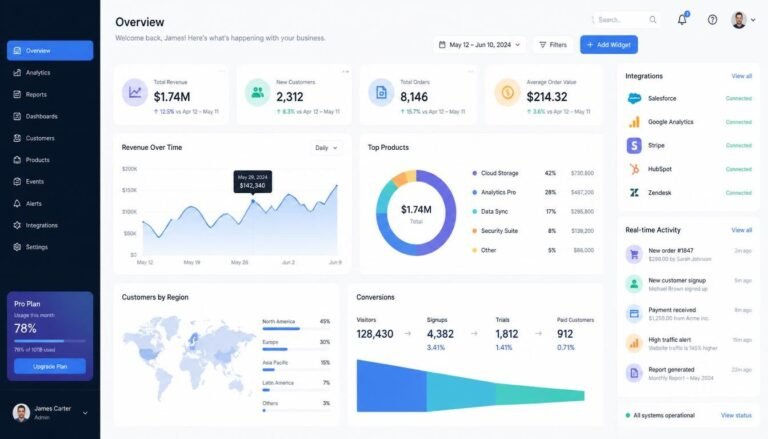
Measuring the success of SaaS conversion systems involves tracking a combination of quantitative and qualitative metrics. Key Performance Indicators (KPIs) such as Customer Acquisition Cost (CAC), Lifetime Value (LTV), and conversion rates provide a comprehensive view of performance. For larger organizations, this data can inform budget allocation and marketing strategies, ensuring resources are directed toward the most effective channels.
In addition to traditional metrics, customer engagement metrics can also provide valuable insights. Tracking user interactions, session duration, and churn rates can help organizations understand how effectively their conversion systems are resonating with customers. By analyzing these metrics, businesses can identify user segments at risk of disengagement and proactively implement measures to enhance retention.
Ultimately, it’s crucial for organizations to establish a culture of data-driven decision-making. By regularly reviewing performance metrics and adjusting strategies as needed, companies can create a more agile approach to conversion optimization. This ensures that they can adapt to changing market conditions and evolving customer expectations, resulting in a sustainable competitive advantage.
optimization-focused SaaS conversion systems are essential for organizations aiming to thrive in a competitive landscape. By understanding the key elements of a successful conversion strategy, employing data-driven approaches, and leveraging customer feedback, companies can continuously enhance their processes. Integrating automation and measuring success through relevant metrics further streamlines conversion efforts, ultimately leading to higher customer satisfaction and retention. As the SaaS industry continues to evolve, embracing these strategies will empower organizations to achieve lasting success.
Hashtags: #SaaS #ConversionOptimization #UserExperience #DataDriven #Automation