
Maximizing SaaS Efficiency: A Comprehensive Operations Playbook
In today’s competitive marketplace, maximizing SaaS efficiency is paramount for organizations looking to thrive. A well-structured operations playbook serves as the backbone for efficiency in Software as a Service (SaaS) businesses. It streamlines processes, aligns teams, and optimizes resources. This article will explore strategies to enhance SaaS operational efficiency through a comprehensive playbook. We will delve into streamlining processes and best practices for implementation, ensuring your organization reaps the full benefits of SaaS solutions.
Streamlining Processes for Enhanced SaaS Operational Efficiency
Understanding Operational Bottlenecks
To maximize efficiency, it’s essential first to identify common operational bottlenecks. These may arise from manual tasks, lack of automated workflows, or ineffective communication between teams. A deep dive into your existing processes reveals areas that require improvement.
Consider conducting a thorough analysis of your current workflow. This should include mapping out each step from customer onboarding to service delivery. Look for redundancies and areas where automation can be introduced. Streamlining these processes not only enhances speed but also reduces the risk of error.
By targeting operational bottlenecks, organizations can drastically improve their response times. This leads to enhanced customer satisfaction and overall performance. Focusing on these critical areas lays the groundwork for a more efficient SaaS operation.
Leveraging Automation Tools
Automation is one of the most effective ways to enhance efficiency in SaaS operations. Integrating tools that automate tasks can save considerable time and resources. From customer support to billing, automation reduces the manual effort involved in these processes.
Investing in a Customer Relationship Management (CRM) system with automation capabilities streamlines communication and follow-ups. Moreover, tools like chatbots can handle customer queries efficiently, freeing up human resources for more complex issues. Implementing these solutions can significantly boost productivity across teams.
Additionally, regular audits of automated processes allow companies to adapt to changing needs. This ensures that the systems in place remain efficient and relevant. Embracing automation not only reduces costs but also optimizes your workforce.
Establishing Clear Communication Channels
Effective communication is vital for operational efficiency. Without clear channels, misunderstandings can lead to delays and errors. Establishing standardized communication frameworks promotes clarity among teams.
Implementing project management tools helps to align different departments. Platforms like Asana or Trello can keep everyone on the same page. These tools allow for task assignment, progress tracking, and deadline management, all in one place.
In addition to this, consider holding regular check-ins between departments. These meetings can address ongoing challenges and facilitate seamless collaboration. A culture of open communication fosters a more agile and responsive organization.
Best Practices to Implement Your SaaS Operations Playbook
Developing a Comprehensive Playbook
Creating a robust operations playbook begins with detailing every aspect of your SaaS business. It should serve as a blueprint for operational success. Each section must cover critical functions, including customer onboarding, support, and billing.
Start with defining roles and responsibilities. Clearly outlining who does what minimizes confusion and enhances accountability. Next, include standard operating procedures (SOPs) for each task. This ensures consistency across the organization.
Finally, the playbook should not be static. Regular reviews and updates maintain its relevance. As your organization grows and evolves, so should your playbook. This adaptability is crucial for ongoing efficiency.
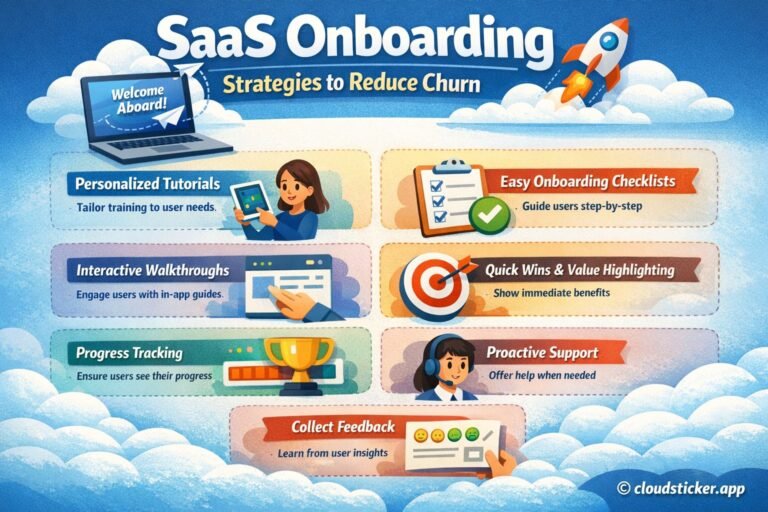
Training and Onboarding
A well-implemented playbook requires adequate training for team members. Employees need to understand not just the “how” but also the “why” behind processes. This fosters a sense of ownership and accountability.
Conduct training sessions that focus on each section of the playbook. Use role-playing scenarios to simulate real-life situations. This interactive approach helps employees grasp the material better.
Moreover, consider creating a centralized resource hub. This hub allows team members to access the playbook anytime, ensuring they remain aligned with operational standards. Continuous training reinforces the importance of the playbook in maintaining efficiency.
Monitoring Performance Metrics
To gauge the effectiveness of your operations playbook, it is crucial to measure performance metrics. Key Performance Indicators (KPIs) provide insights into how well your organization is adhering to established processes.
Common KPIs for SaaS businesses include customer acquisition cost (CAC), customer retention rate, and average response time. Regularly tracking these metrics helps identify areas needing improvement.
Data analytics tools can aid in monitoring these KPIs effectively. Using dashboards simplifies the process and allows for real-time feedback. This data-driven approach enables organizations to adjust strategies quickly, ensuring sustained operational efficiency.
Strategic Framework for SaaS Operations
The SaaS Maturity Framework
Implementing the SaaS Maturity Framework helps organizations assess their operational efficiency. This framework categorizes businesses into different maturity levels, guiding them on the path to enhancement.
- Initial Stage: Here, processes are often ad hoc. Companies rely heavily on manual tasks and lack a clear strategy. The focus should be on identifying operational bottlenecks.
- Developing Stage: Organizations start to implement some automation tools. They may have a playbook beginning to take shape but lack comprehensive adoption.
- Defined Stage: At this level, companies have a well-documented playbook. Teams utilize automation and measure performance metrics regularly.
- Managed Stage: Organizations are proactive in optimizing processes and regularly revisit their playbook. They adapt to changes in the market swiftly.
- Optimized Stage: Efficiency is ingrained in the company culture. Teams continuously innovate, leveraging data analytics to drive decisions.
Step-by-Step Implementation Table
To effectively implement the SaaS Maturity Framework, follow this actionable table:
| Stage | Objective | Key Actions | Timeframe |
|---|---|---|---|
| Initial Stage | Identify bottlenecks | Process mapping, team interviews | 1-3 months |
| Developing Stage | Introduce automation | Implement basic automation tools | 3-6 months |
| Defined Stage | Document processes | Create a comprehensive playbook | 6-9 months |
| Managed Stage | Regular performance monitoring | Establish KPIs and review processes | 9-12 months |
| Optimized Stage | Continuous improvement | Foster a culture of innovation | Ongoing |
This structured approach enables organizations to not only track their progress but also ensures that they remain focused on efficiency throughout their SaaS journey.
Executive FAQ
What are the implications on Total Cost of Ownership (TCO)?
Understanding TCO is crucial in SaaS decision-making. TCO includes direct costs like subscriptions, and indirect costs such as training and downtime. An efficient operations playbook helps minimize these costs by streamlining processes. Regular audits can further identify areas for savings. By enhancing efficiency, organizations can significantly reduce their TCO, maximizing ROI.
How can SaaS operations mitigate risks effectively?
Risk mitigation starts with a well-defined strategy. A comprehensive playbook incorporates risk management protocols, addressing potential vulnerabilities. Regular reviews of security measures, compliance checks, and employee training ensure that teams remain vigilant. By continuously updating these protocols, organizations can respond to emerging threats, maintaining operational security.
What role does Governance play in SaaS Operations?
Governance is essential for maintaining compliance and accountability. An effective playbook outlines governance structures, ensuring that roles are clearly defined. Regular audits and performance reviews further reinforce governance. By integrating governance into operations, organizations can align their SaaS solutions with broader corporate objectives, enhancing overall efficiency.
How does cross-functional alignment contribute to efficiency?
Cross-functional alignment fosters collaboration between departments, reducing silos. A well-structured playbook ensures that all teams are on the same page, working towards common goals. Regular inter-departmental meetings facilitate communication and cooperation. This alignment not only enhances operational efficiency but also drives innovation across the organization.
What is the impact of legacy integration on SaaS efficiency?
Legacy system integration can complicate SaaS efficiency. Outdated systems often create bottlenecks and hinder data flow. A robust operations playbook should include strategies for transitioning to modern solutions. By addressing integration challenges, organizations can streamline workflows and enhance overall efficiency.
How can data analytics improve SaaS operations?
Data analytics provides actionable insights into performance metrics. By tracking KPIs, organizations can identify trends and areas needing improvement. Integrating analytics tools into the operations playbook enables data-driven decision-making. This proactive approach fosters continuous improvement and enhances overall operational efficiency.
What strategies can enhance customer retention in SaaS?
Customer retention is a critical metric for SaaS success. An effective operations playbook should include customer feedback loops and proactive support strategies. Regular engagement through personalized communication enhances customer loyalty. By focusing on retention, organizations can reduce churn and increase customer lifetime value.
How can organizations ensure continuous improvement?
Continuous improvement should be an ingrained aspect of your organizational culture. A flexible operations playbook allows for regular updates based on feedback and performance metrics. Encourage team members to propose improvements and regularly review processes. Fostering a mindset of innovation enhances operational efficiency over time.
Maximizing SaaS efficiency is not merely a goal; it is an ongoing commitment that requires a comprehensive operations playbook. By streamlining processes, implementing best practices, and leveraging frameworks, organizations can significantly enhance their operational capabilities. With a focus on continuous improvement and effective governance, your SaaS business can thrive in a competitive market.