Mastering SaaS Churn: A Comprehensive Guide to Revenue Retention
SaaS churn represents one of the most critical metrics for revenue retention in subscription-based models. High churn rates lead to lower profitability and can significantly impact a company’s growth trajectory. Understanding the root causes of churn and implementing targeted strategies can greatly enhance a company’s bottom line. Use this guide to learn the art of Mastering SaaS Churn, revenue retention, customer loyalty, customer experience, analytics and metrics customer feedback outlines key metrics for analyzing churn, proven strategies to reduce it, and actionable insights to help retain valuable customers.
Analyzing SaaS Churn: Key Metrics for Revenue Retention
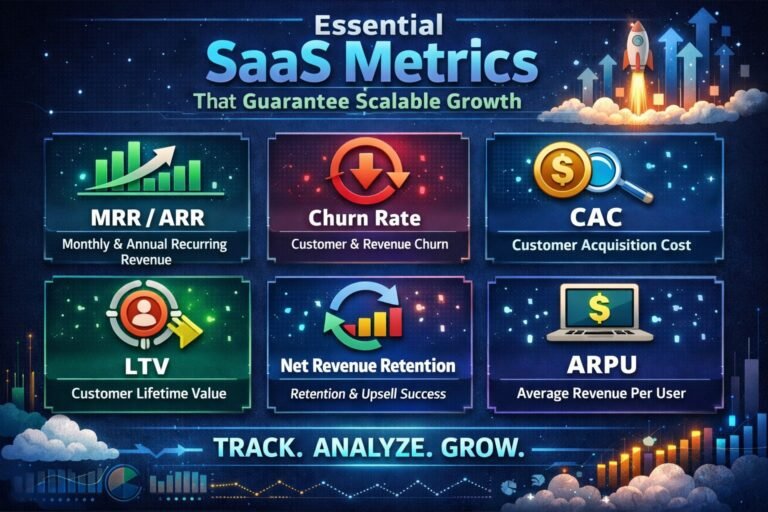
Tracking churn requires a comprehensive set of metrics to understand customer behavior. Customer Churn Rate is the percentage of customers lost during a specific period, often expressed monthly or annually. Calculating this metric is straightforward: divide the number of customers lost by the total number of customers at the start of the period. This basic formula offers insight into how effectively you retain customers over time.
Another critical metric is Revenue Churn Rate. This measures the percentage of recurring revenue lost due to customer churn. It’s essential for understanding the financial impact of customer losses. To calculate revenue churn, subtract expansions (like upgrades or additional services) from the sum of lost revenue, then divide by the total recurring revenue at the start of the period. This metric highlights the risk to your overall financial health.
Finally, look at your Net Revenue Retention (NRR). This combines both customer churn and expansions, offering a more holistic view of revenue health. An NRR above 100% indicates your business is growing even as it loses some customers. Understanding these key metrics will empower you to take proactive steps in improving customer retention strategies and ultimately boost your revenue.
Proven Strategies to Reduce Churn and Boost Growth
Implementing effective churn reduction strategies is crucial for SaaS companies. Customer Onboarding is often the first and most impactful area to address. A solid onboarding process ensures new users understand your product’s features and benefits. Customize onboarding experiences based on customer segments to enhance engagement. This approach can significantly lower initial churn rates.
Another effective strategy involves Regular Customer Check-Ins. Establish a routine of reaching out to customers, especially those who show signs of disengagement. Use these interactions to gather feedback and address pain points. This proactive approach demonstrates your commitment to their success and can lead to improved customer satisfaction.
Lastly, consider implementing Customer Loyalty Programs. Incentives for long-term customers can create a sense of belonging. This might include exclusive features, discounts, or personalized support. Such programs validate customer investment and encourage long-term relationships. By focusing on these strategies, you can effectively reduce churn and foster a loyal customer base.
Understanding the Root Causes of Churn
To combat churn, it’s essential to identify its root causes. Customer Feedback is a critical starting point. Utilize surveys and interviews to gather insights into customer experiences. Knowing why customers leave can inform necessary changes to your product or service. Common reasons include pricing, product fit, or lack of support.
Another factor to consider is Competitive Analysis. If your product lacks features available in competing offerings, it’s likely customers will look elsewhere. Regularly benchmarking your product against competitors can help you identify gaps and opportunities for improvement. Take note of industry trends that might influence customer preferences.
Additionally, recognize the impact of Customer Experience on churn. A clunky user interface or inadequate support can frustrate users. Invest in user experience research to identify areas for improvement. This effort should encompass your entire organization, from product development to customer service. By addressing these root causes, you can reduce churn while simultaneously enhancing customer satisfaction.
The Role of Customer Support in Reducing Churn
Customer support plays a pivotal role in retaining customers. Responsive Support Channels are essential for addressing customer inquiries and issues quickly. Offer multiple support options, such as live chat, email, and phone support. Ensuring customers can reach you through their preferred channel fosters trust and demonstrates that you value their time.
Moreover, Proactive Support can be a game changer. Rather than waiting for customers to reach out with problems, identify potential issues beforehand. Use data analytics to pinpoint customers who might be experiencing challenges. Reach out to them proactively with solutions or resources. This approach not only prevents churn but also enhances the overall customer experience.
Finally, invest in a Knowledge Base. An easily accessible repository of FAQs, tutorials, and troubleshooting guides empowers customers to find solutions independently. This self-service approach can reduce support load and improve user satisfaction. By focusing on effective customer support, you can significantly reduce churn while enhancing your overall service offering.
Utilizing Data Analytics for Churn Prediction
Data analytics offers powerful tools for predicting churn. Machine Learning Models can analyze user behavior and identify patterns leading to churn. By leveraging historical data, you can forecast which customers are at risk. This predictive capability allows you to take action before customers decide to leave.
In addition to machine learning, consider using Customer Segmentation. Group customers based on behavior, usage patterns, or demographics. This classification enables targeted interventions tailored to specific groups. For example, high-risk customers might benefit from personalized outreach or tailored offers.
Finally, establish a Churn Dashboard. A visual representation of churn metrics, customer engagement, and feedback can help you monitor trends over time. This dashboard should be accessible to all relevant teams within your organization. By utilizing data analytics effectively, you can gain valuable insights that drive churn reduction efforts.
Implementing a Customer Retention Strategy Framework
A structured framework can streamline your churn reduction efforts. Start with a Customer Journey Mapping exercise. Map out every touchpoint a customer has with your organization, from onboarding to support. Identify areas where disengagement may occur and develop targeted strategies to address these gaps.
Next, create a Churn Metrics Dashboard to visualize key performance indicators (KPIs). This dashboard should include metrics like customer churn rate, revenue churn rate, and NRR. Regularly review this dashboard with cross-functional teams to ensure everyone is aligned on goals and initiatives.
Lastly, develop a Feedback Loop. Regularly collect feedback from your customers and use it to inform product enhancements and support initiatives. Make sure to close the loop by informing customers how their feedback led to changes. This transparency can enhance trust and encourage long-term loyalty.
Executive FAQ
1. What is the impact of churn on Total Cost of Ownership (TCO)?
Churn directly affects TCO as high churn rates lead to increased acquisition costs to replace lost customers. The cost of marketing and sales efforts to attract new customers often outweighs the long-term revenue generated from them. Understanding churn helps in managing TCO effectively.
2. How can we measure the effectiveness of our churn reduction strategies?
To measure effectiveness, track key metrics such as customer churn rate, NRR, and customer satisfaction scores. Conduct periodic reviews to assess if churn has decreased following the implementation of strategies. Correlate these metrics with specific initiatives to determine what works.
3. What role does security governance play in customer retention?
Security governance ensures customer data protection. Customers who feel secure in your platform are less likely to churn. Implement robust security measures and communicate them clearly to your customers. This builds trust and can significantly enhance retention rates.
4. How can legacy integrations affect churn?
Legacy integrations can create friction in user experience. If your software requires complex setups or lacks compatibility with newer systems, customers may seek alternatives. Regularly assess integration capabilities to ensure compatibility with modern business needs.
5. How should our sales team approach retention conversations?
Sales teams should focus on listening to customer needs and concerns. Regular check-ins can identify potential issues before they escalate. Emphasizing value and demonstrating how your offerings address customer pain points encourages long-term relationships.
6. What are the long-term benefits of reducing churn?
Reducing churn leads to improved customer lifetime value (CLV). Higher retention rates result in stable revenue streams and easier upselling opportunities. Additionally, satisfied customers often become advocates, bringing in new business through referrals.
7. Can a customer loyalty program backfire?
Yes, if not executed well, loyalty programs can alienate customers who feel undervalued. Ensure that the rewards are meaningful and attainable. Continuous assessment of the program’s effectiveness is crucial to avoid customer dissatisfaction.
8. How do we align churn reduction strategies across departments?
Centralize churn data and establish regular inter-departmental meetings. Share insights gained from customer feedback and analytics. Encourage collaboration by incorporating representatives from sales, marketing, and customer support in churn strategy discussions.
Conclusion – Mastering SaaS Churn
Mastering SaaS churn is essential for sustainable revenue retention. By analyzing key metrics, understanding root causes, and implementing effective strategies, companies can significantly reduce churn rates. A proactive approach, coupled with a structured framework, can lead to long-term success. Embrace these insights to foster a loyal customer base and drive growth.