
Essential Checklist for Rapid SaaS MVP Development and Launch
Building a Software as a Service (SaaS) Minimum Viable Product (MVP) can be a daunting task. However, with the right checklist, organizations can streamline the development process and ensure a successful launch. This article outlines the essential steps and considerations for efficiently creating and deploying a SaaS MVP. By focusing on key components, you can mitigate risks and enhance the potential for achieving product-market fit.
Key Steps to Build Your SaaS MVP Efficiently
Define Your Core Value Proposition
The first step in developing your SaaS MVP is to define your core value proposition. This statement should clearly articulate the problem your product solves and the unique benefits it offers. Use customer feedback and market research to identify pain points and how your solution addresses them.
A well-defined value proposition not only guides your product features but also serves as a foundation for your marketing strategy. It helps align your team’s efforts and keeps the focus on delivering customer value.
Once you have a clear value proposition, create user personas that represent your target audience. Understanding your users’ needs, behaviors, and motivations will inform your product development decisions. Focus on building features that resonate with these personas.
Identify Key Features for the MVP
Next, prioritize the features you want to include in your MVP. It’s essential to focus on the minimum set of functionalities that deliver value to your users. Avoid feature bloat; instead, adhere to the principle of “less is more.”
Create a feature matrix that categorizes features into three groups: must-have, nice-to-have, and future considerations. This helps in making informed decisions about what to prioritize in the initial version.
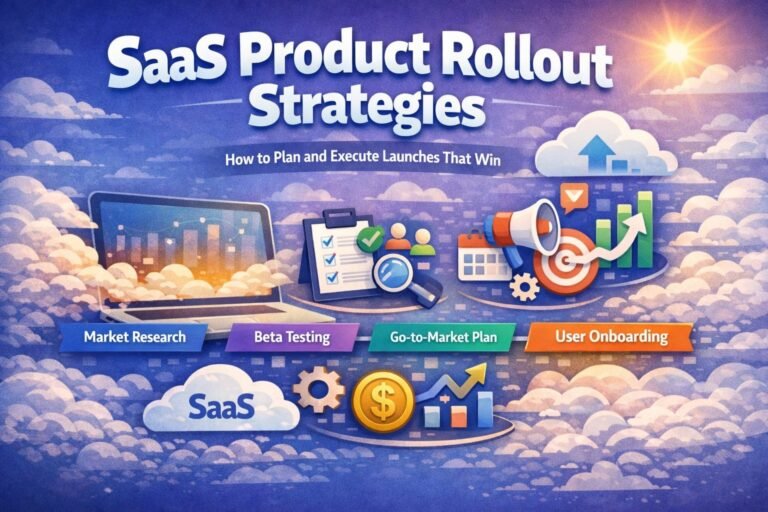
Once your feature set is defined, develop a roadmap that outlines the timelines for development, testing, and launch. This roadmap serves as a visual guide for your team, facilitating coordination across various functions.
Formulate a Development Strategy
Choosing the right development strategy is crucial for efficient MVP creation. You can opt for various approaches, such as agile development, which allows for iterative enhancements based on user feedback. This flexibility helps you pivot quickly if needed.
Establish a cross-functional team that includes developers, designers, and product managers. This collaborative environment promotes shared ownership and accountability, leading to a more cohesive product outcome.
Moreover, invest in the right technology stack to support your MVP development. Evaluate hosting options, database solutions, and front-end frameworks. Choosing the right tools can significantly enhance your product’s scalability and maintainability.
Essential Considerations for a Successful Launch Strategy
Plan Your Marketing Strategy
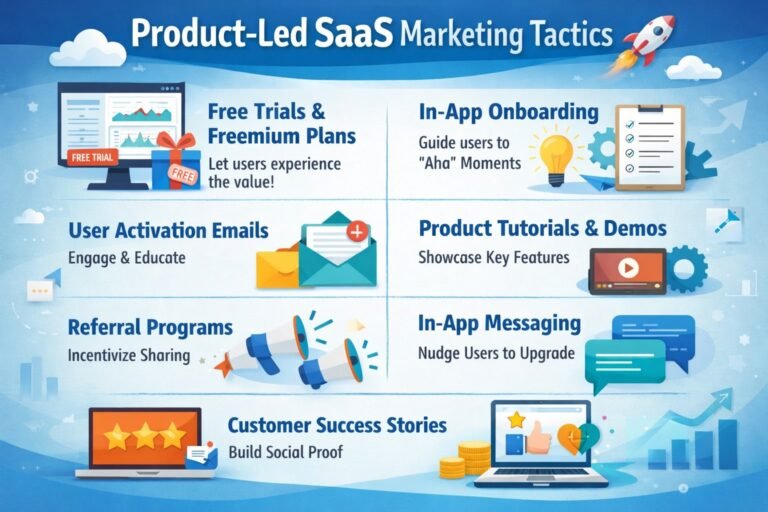
Before launching your MVP, it’s crucial to develop a comprehensive marketing strategy. Aim for a multi-channel approach that leverages social media, email marketing, and content marketing. Each channel should align with your defined value proposition and target audience.
Create a landing page that clearly communicates your MVP’s benefits. Use compelling visuals and customer testimonials to build credibility. Incorporating a call-to-action will encourage users to sign up, providing you with valuable contact information.
Don’t underestimate the power of beta testing. Engaging early adopters in your launch gives you invaluable insights into user experience. Feedback collected during this phase can guide adjustments before the full-scale launch.
Establish Metrics for Success
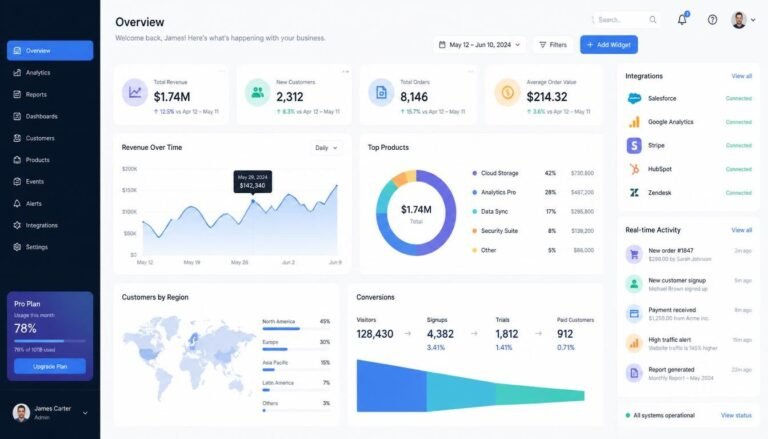
To gauge the effectiveness of your MVP launch, establish key performance indicators (KPIs). Common metrics include user engagement rates, customer acquisition costs, and churn rates. These metrics provide an objective framework for evaluating your MVP’s performance.
Set up analytics tools to track user behavior from day one. Understanding how users interact with your product can inform future enhancements and marketing efforts.
Regularly review your metrics post-launch to identify trends and make data-driven decisions. This continual assessment helps you stay agile and responsive to user needs.
Plan for Post-Launch Support
Post-launch support is crucial for the long-term success of your MVP. Prepare your team to handle customer inquiries and technical issues promptly. A well-structured support system ensures a positive user experience and fosters customer loyalty.
Create a knowledge base or FAQ section to address common queries. This resource can reduce the volume of support requests while empowering users to troubleshoot independently.
Additionally, invest in a feedback loop that allows users to communicate their experiences. Use surveys and in-app feedback tools to gather insights that can inform your next development cycle.
Executive FAQ
How do we mitigate risks during MVP development?
Risk mitigation in MVP development involves thorough planning, testing, and validation. Start by conducting market research to identify potential risks. Develop a contingency plan that outlines how to address these risks if they arise. Additionally, engage in continuous testing and feedback loops to catch issues early.
What is the impact on Total Cost of Ownership (TCO)?
Understanding TCO is essential for evaluating the long-term viability of your SaaS MVP. TCO includes not just development costs, but also ongoing maintenance, support, and infrastructure expenses. By calculating TCO, organizations can allocate resources effectively and make informed decisions about scaling.
How can we ensure cross-functional alignment?
Cross-functional alignment starts with clear communication and defined roles. Use tools like project management software to facilitate collaboration. Regular check-ins and updates can help teams stay on the same page and foster a culture of shared ownership.
What should we consider for scalability?
Scalability should be factored into your MVP from the outset. Choose a technology stack that can accommodate growth. Consider cloud-based solutions that offer flexibility. Additionally, design your architecture in a modular way for easier updates and enhancements as user needs evolve.
How do we validate the MVP with customers?
Customer validation involves engaging real users during the development phase. Use surveys, interviews, and usability tests to gather feedback. Monitor user interactions and make adjustments based on this data, ensuring the product meets market demands.
What role does security governance play in SaaS MVPs?
Security governance is critical for protecting user data and complying with regulations. Implement robust security protocols during MVP development. Regular audits and updates can help maintain compliance and safeguard your users’ trust.
How can we leverage analytics post-launch?
Post-launch analytics provides insights into user behavior and product performance. Use analytics tools to track engagement, retention, and conversion rates. This data will guide future product iterations and marketing strategies, ensuring you remain aligned with user expectations.
How do we manage customer feedback effectively?
To manage customer feedback effectively, create multiple channels for users to share their experiences. Use surveys, forums, and direct communication to gather insights. Analyze this feedback regularly and prioritize changes based on user needs and business goals.
Conclusion – Rapid SaaS MVP Development and Launch
In conclusion, developing and launching a SaaS MVP requires a structured approach. By following a comprehensive checklist and considering key factors, organizations can minimize risks and enhance the chances of success. Focus on defining value propositions, prioritizing features, and implementing robust marketing and support strategies. The insights gained from early user interactions will inform future product developments and help achieve lasting market relevance.