Predictable SaaS Acquisition Frameworks That Deliver ROI
A strong customer acquisition strategy is crucial in today’s competitive SaaS landscape. Businesses that prioritize effective frameworks can streamline their efforts, enhancing return on investment (ROI) significantly. This article will explore predictable SaaS acquisition frameworks designed to deliver measurable ROI while offering actionable strategies for sustainable growth.
Understanding the SaaS Acquisition Landscape for ROI
The SaaS acquisition landscape is evolving rapidly, driven by advancements in technology and changing consumer expectations. Companies now seek predictable methods for acquiring customers, focusing on not only attracting new clients but also retaining existing ones. Understanding this landscape involves examining various channels, such as paid advertising, organic search, and social media, which different companies leverage to maximize their reach and impact.
The importance of ROI cannot be overstated in this context. Companies must ensure that the resources they invest in acquisition lead to tangible returns. This includes understanding customer lifetime value (CLV), customer acquisition cost (CAC), and the overall efficiency of marketing and sales strategies. By analyzing these metrics, businesses can fine-tune their approaches, prioritizing channels and tactics that yield the highest ROI.
Moreover, understanding market dynamics and customer preferences is essential. Businesses need to engage in thorough market research to identify target demographics and their specific needs. This knowledge enables companies to tailor their acquisition strategies, ensuring a better alignment between what they offer and what potential customers are seeking.
Key Elements of a Successful Acquisition Framework
A successful SaaS acquisition framework incorporates various elements, each designed to enhance the customer journey from awareness to conversion. At its core, a robust framework ensures that marketing and sales teams collaborate effectively, utilizing data to inform decisions. This integration fosters a unified approach, enabling businesses to streamline their processes and leverage insights for better targeting.
Content marketing stands as a critical element within this framework. By creating valuable, relevant content, SaaS companies can attract potential customers, nurturing them through the buyer’s journey. This strategy not only establishes authority in the industry but also builds trust with prospective clients. The content must be tailored to address specific pain points, providing solutions that resonate with the target audience’s needs.
Another vital component is the use of technology to automate and optimize acquisition efforts. Customer Relationship Management (CRM) systems, marketing automation tools, and analytics platforms allow businesses to track performance in real-time. These technologies facilitate informed decision-making, enabling teams to adjust their strategies proactively based on data-driven insights. Consequently, adopting a tech-savvy approach is essential for companies looking to enhance their acquisition frameworks.
Metrics That Matter: Measuring SaaS ROI Effectively
When it comes to measuring ROI in SaaS acquisition, certain metrics hold greater significance than others. The Customer Acquisition Cost (CAC) is a foundational metric that reflects the total expenditure required to acquire a new customer. This includes marketing expenses, sales salaries, and overhead costs. An efficient acquisition strategy will aim to minimize CAC while maximizing the value derived from each new customer.
On the other hand, Customer Lifetime Value (CLV) represents the total revenue a business can expect from a single customer throughout their relationship. Understanding CLV helps organizations gauge the long-term effectiveness of their acquisition strategies. By comparing CLV against CAC, businesses can ascertain whether their efforts are sustainable and profitable. A higher CLV relative to CAC indicates a successful acquisition strategy.
Additionally, conversion rates are crucial for evaluating the effectiveness of various channels and tactics. Tracking how many leads convert into paying customers can reveal strengths and weaknesses within the acquisition process. This insight enables businesses to refine their strategies, focusing on high-converting channels and continuously improving their overall ROI in SaaS acquisition.
Proven Strategies for Sustainable SaaS Growth
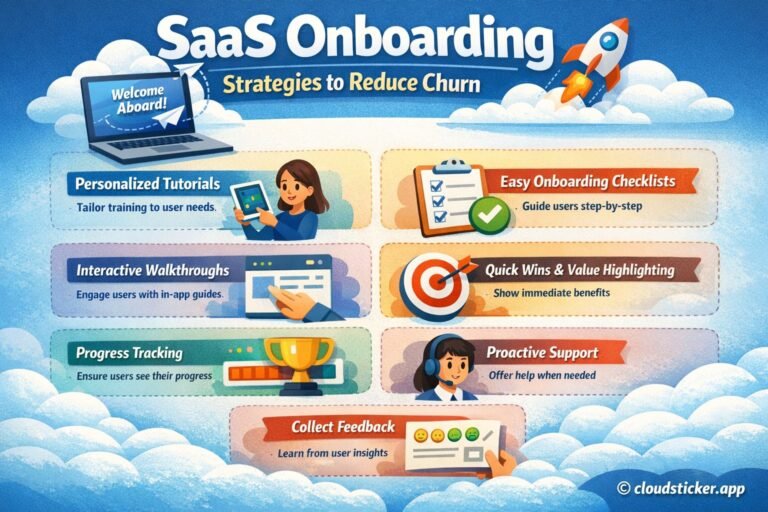
To achieve sustainable growth, SaaS companies must adopt proactive strategies that go beyond mere customer acquisition. One effective approach is to emphasize customer retention and engagement. Retaining existing customers is often more cost-effective than acquiring new ones. Implementing strategies such as personalized onboarding, regular check-ins, and proactive customer support can significantly enhance retention rates.
Another proven strategy involves leveraging data analytics to inform decision-making. By analyzing user behavior, SaaS businesses can identify trends and preferences that guide product enhancements and marketing efforts. This data-driven approach enables companies to iterate on their offerings continuously, ensuring they remain relevant and valuable to their user base.
Lastly, fostering a strong community around the product can drive sustainable growth. Engaging customers through forums, webinars, and social media can not only build loyalty but also generate word-of-mouth referrals. Encouraging user-generated content and feedback creates a sense of ownership among users, further solidifying their commitment to the brand while attracting new customers.
Aligning SaaS Acquisition with Business Objectives
For a SaaS acquisition framework to be effective, it must align closely with broader business objectives. This alignment ensures that acquisition efforts support the company’s vision and strategic goals. Leadership should define clear objectives that encompass growth targets, revenue expectations, and market penetration goals, creating a roadmap for acquisition strategies.
Moreover, cross-departmental collaboration is critical in achieving alignment. Marketing, sales, and product teams must work together to ensure that customer feedback and insights are integrated into acquisition strategies. This collaborative approach allows organizations to maintain a customer-centric focus, leading to more effective marketing messages and product offerings.
Regularly reviewing and adjusting acquisition strategies ensures continued alignment with business objectives. Companies should conduct periodic assessments to evaluate the effectiveness of their acquisition efforts against the defined goals. This adaptive approach allows for timely adjustments in strategy, ensuring ongoing relevance and effectiveness in a rapidly changing market landscape.
Leveraging Customer Feedback for Continuous Improvement
Customer feedback serves as a goldmine of insights for SaaS businesses aiming to enhance their acquisition frameworks. Actively seeking feedback through surveys, interviews, and user testing can reveal valuable information about customer experiences and expectations. This input is crucial for refining marketing messages and adjusting product features to meet market demands.
Incorporating a feedback loop within the acquisition framework promotes continuous improvement. By regularly analyzing customer responses and engagement metrics, businesses can identify areas for enhancement. This iterative process ensures that the product evolves in line with user needs, increasing satisfaction and ultimately driving higher conversion rates.
Moreover, showcasing responsiveness to customer feedback can strengthen relationships and enhance brand loyalty. When customers see that their input leads to tangible changes, they are more likely to feel valued and connected to the brand. This strengthened connection can translate into increased retention rates and positive word-of-mouth referrals, amplifying acquisition efforts.
Case Studies: Successful SaaS Framework Implementations
Examining successful case studies offers invaluable lessons for businesses looking to implement effective SaaS acquisition frameworks. One notable example is the customer relationship management platform Salesforce. By employing a comprehensive inbound marketing strategy, Salesforce successfully attracted leads through valuable content and educational resources. They leveraged webinars, whitepapers, and case studies, positioning themselves as thought leaders in their industry.
Another successful case study is Slack, which focused on user experience and community building as central components of their acquisition strategy. By prioritizing ease of use and encouraging team collaboration, Slack generated a strong word-of-mouth growth engine. Their freemium model allowed users to experience the product’s value without commitment, leading to high conversion rates when teams decided to upgrade.
Finally, HubSpot exemplifies the power of aligning acquisition strategies with business objectives. They provide extensive educational resources that guide potential customers through the buyer’s journey. By focusing on customer needs and delivering value upfront, HubSpot has established itself as a leader in inbound marketing, achieving consistent growth through a well-defined acquisition framework.
Future Trends in SaaS Acquisition Strategies and ROI
As the SaaS landscape continues to evolve, several trends are emerging that will shape future acquisition strategies. One notable trend is the increasing importance of personalization. As customers become more discerning, businesses must tailor their marketing efforts to meet individual preferences. Utilizing advanced data analytics and AI, companies can deliver personalized experiences that resonate more profoundly with potential clients.
Another trend is the growing significance of community-driven growth. Companies that foster strong user communities can leverage network effects to enhance their acquisition efforts. Engaging users through forums, social media, and user events creates a sense of belonging, making customers more likely to refer others and remain loyal to the brand.
Lastly, the rise of subscription-based pricing models is changing the acquisition landscape. Businesses are exploring innovative pricing strategies that cater to diverse customer segments while ensuring value delivery. This evolution may lead to more flexible and customer-friendly acquisition approaches, enhancing overall ROI for SaaS companies.
Conclusion – Predictable SaaS Acquisition Frameworks That Deliver ROI
Predictable SaaS acquisition frameworks that deliver ROI are essential for navigating the competitive landscape of software as a service. By understanding the acquisition landscape, implementing effective strategies, and continuously measuring performance, businesses can achieve sustainable growth. The integration of customer feedback and alignment with business objectives will further enhance ROI, ensuring long-term success in the SaaS sector.
Hashtags: #SaaS #BusinessGrowth #CustomerFeedback #AcquisitionStrategy #ROI