
Rapid SaaS Adoption Tactics That Drive User Growth
Rapid SaaS Adoption Tactics is crucial for organizations aiming for swift growth and a competitive edge. To achieve this, businesses must align their strategies with user needs and market dynamics. This article explores various tactics to ensure rapid SaaS adoption, driving user growth in an increasingly crowded marketplace.
Understanding the Importance of Rapid SaaS Adoption Strategies
In today’s fast-paced digital realm, the speed at which organizations adopt SaaS solutions can make or break their competitive advantage. A well-structured adoption strategy not only accelerates user growth but also enhances overall customer satisfaction. Users expect seamless solutions that fit into their workflows, and businesses that prioritize rapid adoption are more likely to meet these demands effectively. This leads to improved user retention and loyalty, which are essential for sustainable growth.
Furthermore, rapid adoption can significantly shorten the sales cycle. When prospective clients see how quickly and efficiently a SaaS product can be implemented, they are more inclined to make purchasing decisions. This can be particularly beneficial for enterprises, where longer sales cycles can result in lost opportunities. By focusing on creating a streamlined adoption process, companies can enhance their conversion rates and maximize revenue potential.
Lastly, a fast adoption rate often results in better funding opportunities. Investors are more likely to support companies that demonstrate strong user engagement and growth potential. When SaaS providers can showcase a quick onboarding process and high user satisfaction rates, they position themselves favorably in the eyes of potential investors, paving the way for future endeavors and innovations.
Analyzing Your Target Audience for Effective Growth
Understanding your target audience is the cornerstone of any successful SaaS adoption strategy. Without a clear picture of who your users are, their pain points, and their needs, it becomes challenging to tailor your offering effectively. Conducting meticulous market research is essential; utilize surveys, interviews, and analytics to gather insights about user demographics, behaviors, and preferences. This information can inform your marketing strategies, product features, and support systems.
Once you have a clear understanding of your audience, segment them into distinct groups based on their needs and behaviors. Personalizing your approach for each segment can significantly enhance user experience and adoption rates. For example, enterprise users may prioritize features that ensure compliance and security, while smaller teams might value ease of use and cost-effectiveness. Tailoring your messaging to resonate with these unique segments promotes greater engagement and drives user growth.
Additionally, keep an eye on emerging trends within your target market. Staying informed about industry shifts can help you adapt your SaaS offerings accordingly. This flexibility allows you to remain relevant to your audience’s evolving needs and preferences, ensuring ongoing user growth and satisfaction. By nurturing a deep understanding of your target audience, you set the stage for effective and rapid SaaS adoption.
Developing a User-Centric Onboarding Experience
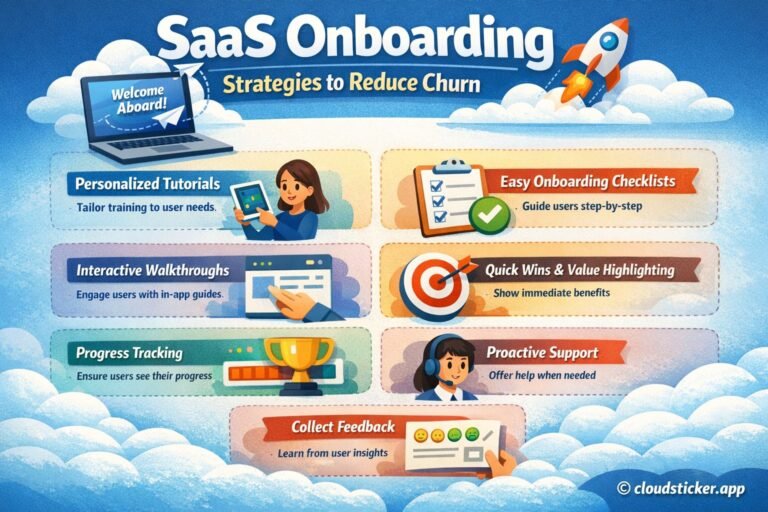
A user-centric onboarding experience is pivotal in ensuring that new users quickly realize the value of your SaaS product. The first interactions users have with your platform can significantly influence their long-term engagement and retention. Invest in creating a comprehensive onboarding process that is easy to navigate and emphasizes key features and benefits. Make use of interactive tutorials, video walkthroughs, and in-app guidance to facilitate a smooth transition for new users.
Moreover, personalization during the onboarding process can take user engagement to the next level. By tailoring onboarding experiences based on user profiles or their specific needs, you can create a more engaging experience. For example, if a user indicates they are primarily interested in project management features, the onboarding process should focus on those aspects to help them achieve immediate success. This personalized touch can greatly enhance user satisfaction and encourage long-term adoption.
Lastly, solicit feedback from users during and after the onboarding process. Understanding their challenges and suggestions can provide valuable insights that help you refine your onboarding experience. Continuous improvement not only enhances user satisfaction but also contributes to a higher adoption rate, as users feel valued and heard. By prioritizing a user-centric onboarding experience, you lay the groundwork for lasting user growth.
Leveraging Social Proof to Enhance Credibility
In SaaS, trust is a crucial factor influencing user adoption. Social proof, such as testimonials, case studies, and user reviews, plays a vital role in establishing credibility and encouraging potential users to take the plunge. Displaying success stories from satisfied clients can significantly enhance your brand’s reputation. These narratives not only showcase the value of your product but also help potential users envision how your SaaS solution could positively impact their own businesses.
Additionally, integrating user-generated content into your marketing strategies can amplify the effects of social proof. Encourage users to share their experiences on social media and other platforms. Featuring these stories on your website or in promotional materials can create a sense of community and authenticity. Such engagement fosters trust and facilitates decision-making among potential users, driving growth through increased conversions.
Moreover, consider collaborating with industry influencers or thought leaders to endorse your product. Their approval can lend credibility to your offerings and attract a wider audience. In large organizations, where decisions are often made at higher levels, the endorsement of a trusted figure can sway potential users in your favor. By effectively leveraging social proof, you can build a robust reputation that drives user growth and adoption.
Implementing Data-Driven Marketing Campaigns
Data-driven marketing has become a cornerstone for SaaS companies aiming to accelerate user growth. By harnessing analytics, companies can create targeted marketing campaigns that resonate with specific segments of their audience. Utilizing tools like Google Analytics or CRM platforms can help you track user behavior, preferences, and engagement levels. This information allows you to design campaigns that speak directly to your audience’s needs, significantly increasing the chances of conversion.
Furthermore, A/B testing can be a powerful ally in optimizing your marketing efforts. By experimenting with different messaging, visuals, or calls to action, you can determine which elements resonate best with your audience. This iterative approach not only enhances campaign effectiveness but also contributes to a more refined understanding of what drives user adoption. The insights gained can then be applied to future campaigns, creating a cycle of continuous improvement.
Additionally, consider utilizing targeted advertising on platforms where your audience is most active. Whether it’s LinkedIn for B2B solutions or Instagram for more visually-oriented products, targeted ads can help you reach potential users at the right time and place. Coupling this with retargeting campaigns can keep your brand top-of-mind for users who may have shown initial interest but did not convert. By implementing data-driven marketing strategies, you can create a tactical approach that boosts user growth and drives SaaS adoption.
Creating Seamless Integration with Existing Tools
One of the significant barriers to SaaS adoption is the challenge of integrating new solutions with existing tools and workflows. To facilitate user growth, it is imperative to ensure that your SaaS product integrates seamlessly with the tools already in use by your prospective customers. This can help mitigate resistance to change and encourage quicker adoption. Developing APIs and plug-ins that allow users to connect your service with popular platforms makes it easier for organizations to incorporate your solution into their daily operations.
In addition to providing integration capabilities, offering comprehensive documentation and support can further smooth the onboarding process. Create user guides, tutorials, and troubleshooting resources that specifically address how to integrate your SaaS product with existing systems. This proactive approach not only helps users navigate potential challenges but also fosters a sense of confidence in your product’s usability. A well-supported integration process can significantly enhance user satisfaction and drive engagement.
Lastly, continuously monitor the performance of your integrations and gather feedback from users. Understanding the pain points associated with integration can help you refine your offerings and provide even better support. Regular updates and enhancements based on user feedback demonstrate a commitment to user experience and satisfaction, ultimately driving greater user growth. By prioritizing seamless integration, you position your SaaS solution as an indispensable tool for organizations striving to optimize their operations.
Fostering a Community for Long-Term Engagement
Building a vibrant user community can significantly enhance user growth and retention. A strong community provides a platform for users to share experiences, exchange tips, and offer feedback. This not only fosters a sense of belonging but also creates a network of advocates who can champion your product. Consider creating forums, user groups, or social media channels where users can connect and engage with one another. This engagement can lead to increased user satisfaction and a greater likelihood of continued use.
Moreover, hosting webinars, workshops, or Q&A sessions can provide valuable educational opportunities for your community. By offering insights, best practices, or industry trends, you position your brand as a thought leader and a trusted resource. This not only deepens user engagement but also encourages users to see your SaaS product as an essential tool for their own success. The more users feel invested in the community, the more likely they are to remain loyal customers.
Finally, implementing a referral or loyalty program can incentivize users to actively participate in the community. Rewarding users for sharing their experiences or inviting new members can create a culture of engagement and advocacy. This strategy not only drives user growth but also cultivates a sense of ownership among users, further enhancing their commitment to your offering. By fostering a community, you create a supportive environment that encourages long-term engagement and sustainable growth.
Measuring Success: Key Metrics for User Growth
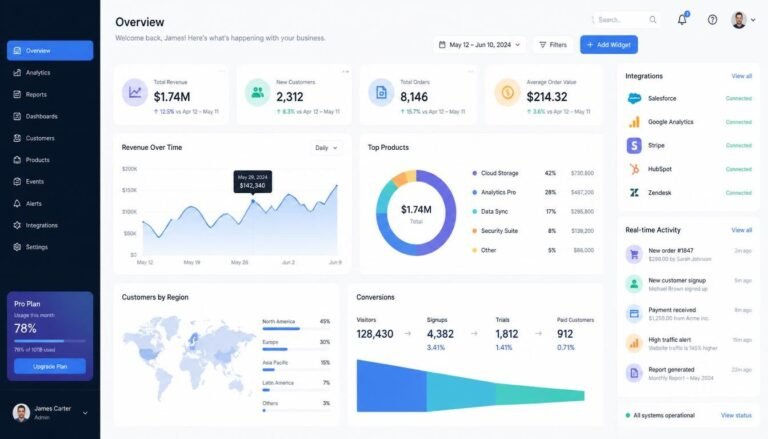
To drive user growth effectively, organizations must establish and track key performance indicators (KPIs) that reflect the success of their SaaS adoption strategies. Metrics such as user acquisition rate, customer lifetime value (CLV), and churn rate provide valuable insights into how well your strategies are working. Monitoring these metrics allows you to identify trends and make informed decisions that can enhance user growth.
Additionally, engagement metrics, such as daily active users (DAU) and monthly active users (MAU), are crucial for understanding user behavior and satisfaction. These metrics can help you gauge whether users find value in your product and whether they are actively utilizing its features. High engagement levels often correlate with higher retention rates, further emphasizing the importance of creating a positive user experience.
Lastly, conducting regular user feedback sessions or surveys can provide qualitative data that complements your quantitative metrics. This holistic approach allows you to identify areas for improvement, ensuring that your strategies remain aligned with user needs. By measuring success through these key metrics, you can refine your adoption tactics, drive user growth, and ensure the long-term viability of your SaaS offering.
Conclusion – Rapid SaaS Adoption Tactics That Drive User Growth
Rapid SaaS adoption is not just about technology; it’s about aligning your strategies with user needs and industry trends. By implementing these tactics, organizations can facilitate rapid user growth, enhance engagement, and create lasting relationships with their customers. With a focus on user-centric approaches, continuous improvement, and community building, businesses can set themselves up for success in the ever-evolving SaaS landscape.
Hashtags: #SaaS #UserGrowth #Marketing #CommunityBuilding #DataDriven
External Source: For more insights on SaaS growth strategies, visit SaaStr for advice and resources.