Essential SaaS Unit Economics Checklist for Growth Sustainability
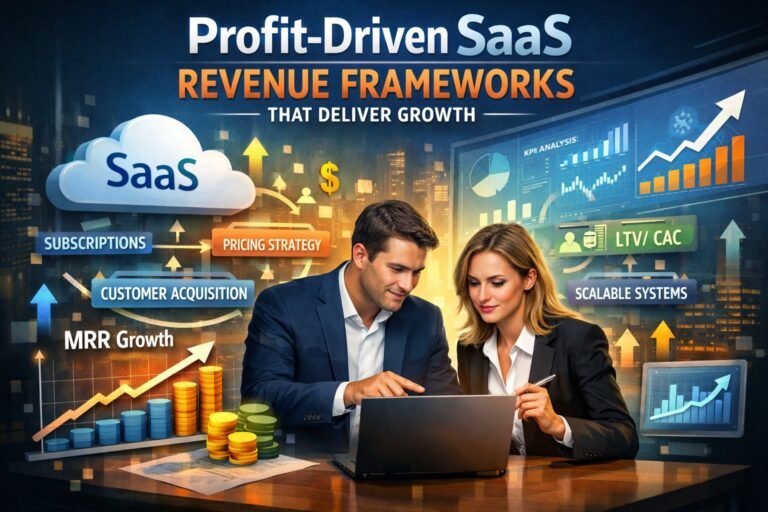
Understanding unit economics is critical for any SaaS business aiming for sustainable growth. The intricacies of revenue, cost structures, and customer lifetime value can determine the viability of your model. This article outlines key metrics, essential strategies, and an actionable checklist to optimize your SaaS unit economics effectively.
Key Metrics to Evaluate Your SaaS Unit Economics Effectively
Customer Acquisition Cost (CAC)
Customer Acquisition Cost (CAC) plays a pivotal role in understanding your SaaS business’s health. It includes all costs associated with acquiring a new customer, such as marketing expenses, sales salaries, and overhead costs. A high CAC can jeopardize profitability, especially if it takes an extended period for customers to become profitable.
To evaluate CAC effectively, analyze different marketing channels. Some channels may yield high-quality leads at lower costs, while others might drain your budget without delivering significant returns. Calculate CAC regularly to assess the efficiency of your sales and marketing strategies. This will help you refine your acquisition processes over time.
A good rule of thumb is to aim for a CAC that is less than one-third of the Customer Lifetime Value (CLV). If your CAC is trending upwards, investigate further. It may indicate inefficiencies in your marketing approach or a misalignment between your product and target audience.
Customer Lifetime Value (CLV)
Customer Lifetime Value (CLV) measures the total revenue a customer generates over their relationship with your business. It is instrumental in understanding the long-term viability of your customer base. A healthy CLV indicates that your customers find value in your offerings and are likely to renew or upgrade.
To calculate CLV, consider average revenue per user (ARPU) and customer retention rates. Increasing customer retention will naturally enhance CLV, as retaining clients is typically cheaper than acquiring new ones. Strategies like upselling, cross-selling, and personalized customer engagement can play a significant role in maximizing CLV.
Additionally, keeping a close eye on your churn rate—a metric that indicates how many customers stop using your service—will provide insights into customer satisfaction. A rising churn rate may signal service issues, enabling timely interventions.
Revenue Churn Rate
Revenue churn rate assesses the percentage of revenue lost from existing customers over a specific period. Unlike customer churn, which counts the number of customers lost, revenue churn focuses on the monetary impact of that loss. A high revenue churn rate can severely affect your bottom line, highlighting issues with customer satisfaction and service value.
To calculate revenue churn, divide lost revenue from existing customers by total revenue at the start of the period. Regularly monitoring this metric helps you identify trends early on. If you see spikes in churn, it may indicate larger problems, such as dissatisfaction with your service or increased competition.
Implementing customer feedback mechanisms can provide insights into churn reasons. Use this data to refine your offerings and enhance customer service. Proactive measures can significantly reduce churn and contribute to sustainable growth.
Essential Strategies for Sustainable Growth in SaaS Revenue
Focus on Customer Retention
Prioritizing customer retention is vital for sustainable SaaS growth. Retained customers are generally more profitable than new ones. They tend to spend more over time and require less investment to support. Developing strong relationships with your customers can enhance retention.
Implementing loyalty programs or offering exclusive features to long-term customers can effectively increase retention. Regularly check in with customers to assess their needs and satisfaction. Regular engagement fosters loyalty, making customers less likely to churn.
Invest in customer success initiatives. Assign customer success managers to high-value accounts for personalized service. This investment can pay off through improved retention rates and increased upselling opportunities.
Optimize Pricing Strategies
Your pricing model is a critical lever for sustainable growth. An optimized pricing strategy can maximize revenue while attracting a wider customer base. Evaluate different pricing models—such as tiered pricing or usage-based pricing—to find what resonates most with your audience.
Conduct market research to understand what customers are willing to pay for your services. Competitive analysis can also provide insights into your pricing strategy. Make data-driven adjustments based on customer feedback and market trends.
Be cautious about frequent price changes. Sudden price hikes can alienate existing customers. Any changes should be communicated transparently, ideally accompanied by added value to ensure customer retention.
Invest in Data Analytics
Data analytics can serve as a cornerstone for sustainable SaaS growth. By leveraging analytics tools, you can gather insights into customer behavior, preferences, and pain points. This information can guide product development and marketing strategies.
Look for key performance indicators (KPIs) that matter most to your business. Metrics like ARPU, churn, and engagement levels should be analyzed regularly. Use dashboards to visualize this data for easier decision-making.
Incorporating predictive analytics can help you forecast trends and customer needs. By anticipating these elements, you can position your SaaS offerings more effectively, ultimately driving growth.
Understanding the SaaS Maturity Framework
Awareness Stage
The first stage in the SaaS Maturity Framework focuses on building awareness and attracting potential customers. This phase often involves content marketing, social media engagement, and targeted advertising. Your goal is to create interest in your product.
During this stage, it’s crucial to track engagement metrics like website traffic and social media interactions. These metrics provide insights into how well your awareness initiatives are performing. Adjust your strategies based on this data to maximize effectiveness.
Ensure you have a robust onboarding process for new leads. This experience sets the tone for their journey with your SaaS. A smooth transition can significantly impact their perception and future buying behavior.
Consideration Stage
In the consideration stage, potential customers evaluate your product against competitors. They assess pricing, features, and reviews to make informed decisions. It’s essential to provide compelling content that highlights your unique selling propositions (USPs).
At this stage, testimonials and case studies can be valuable. They serve as social proof, helping to build trust. Maintain a strong presence in online forums and social media channels to engage with prospects directly.
Data analytics remain crucial in this stage as well. Use metrics to track how prospects interact with your sales team and marketing materials. Understanding these interactions can help refine your approach and improve conversion rates.
Decision Stage
The decision stage is where prospects become customers. Clear and transparent communication is crucial. Ensure that all terms, conditions, and potential upsell opportunities are outlined clearly.
Offer trials or demos if feasible. This allows prospects to experience the product firsthand, thus reducing perceived risk. Additionally, a limited-time offer can create urgency, prompting quicker decisions.
Post-decision, maintain engagement through onboarding and regular check-ins. This helps to set customer expectations and reinforces their decision. A smooth transition into the product will enhance customer satisfaction and retention.
Executive FAQ
What is the impact of CAC on overall profitability?
Customer Acquisition Cost (CAC) directly influences profitability. A high CAC can erode margins if customers don’t generate enough revenue to cover acquisition costs. Monitoring and optimizing CAC will help ensure a healthy balance between acquiring new customers and maintaining profitability.
How does churn affect my overall revenue?
Churn can have a significant impact on revenue. When customers leave, you not only lose their current revenue but also the potential future revenue they would have generated. Reducing churn through improved customer engagement can lead to more stable revenue streams.
What are the risks of not investing in customer success?
Neglecting customer success can lead to increased churn rates and diminished customer satisfaction. This affects both immediate revenue and long-term growth. Investing in customer success can significantly enhance retention and upselling opportunities.
How can data analytics improve decision-making?
Data analytics provides actionable insights into customer behavior, engagement, and preferences. By leveraging this data, businesses can make informed decisions that enhance marketing strategies, product features, and pricing models, ultimately driving growth.
What should I consider when optimizing my pricing strategy?
Consider market demand, customer willingness to pay, and competitor pricing when optimizing your strategy. Ensure that any changes align with the perceived value of your service. Regular reviews and adjustments based on feedback can enhance pricing effectiveness.
How do I measure Customer Lifetime Value effectively?
To measure CLV, look at average revenue per user and retention rates. Tracking these metrics over time will help you understand the value customers bring. Regular reviews can help you identify trends and develop strategies to maximize CLV.
What are common pitfalls in customer acquisition?
Common pitfalls include relying too heavily on one marketing channel, neglecting proper onboarding, or not using data to inform strategies. A diversified approach, combined with ongoing analysis, can mitigate these risks.
How can I enhance customer engagement to reduce churn?
Enhancing customer engagement can involve personalized communications, regular check-ins, and tailored content. By understanding customer needs and preferences, you can foster loyalty and reduce churn effectively.
In conclusion, understanding and optimizing unit economics is essential for sustainable growth in the SaaS industry. By focusing on key metrics and implementing targeted strategies, you can enhance profitability and customer retention. Use this checklist to guide your approach, ensuring your business remains viable in a competitive landscape.